Shifting Diplomatic Stance
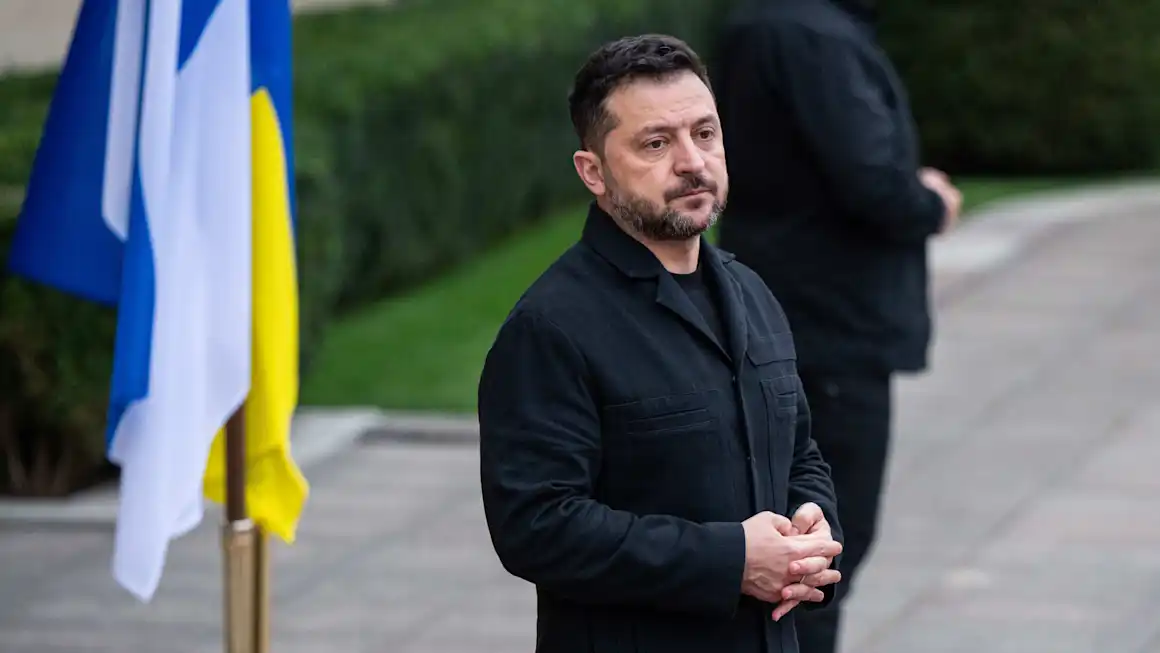
In a significant development that may reshape the diplomatic landscape of the ongoing conflict, Ukrainian President Volodymyr Zelenskyy has opened the door to the possibility of providing security guarantees to Russia. This acknowledgment suggests that a future peace deal might include provisions ensuring Moscow's security, a concept that contrasts with previous absolute demands for Russian withdrawal and non-recognition of annexed territories. The statement indicates a potential flexibility in Kyiv's position, moving towards a framework where mutual security assurances could form the backbone of a lasting resolution.
This new perspective does not necessarily imply an immediate cessation of hostilities or a finalized agreement, but rather highlights the evolving nature of the negotiations. President Zelenskyy's comments reflect a pragmatic approach to achieving a durable peace, recognizing that long-term stability may require addressing the security concerns of all parties involved. By acknowledging that Moscow could receive guarantees, Zelenskyy is signaling a willingness to engage in complex diplomatic discussions that go beyond simple territorial concessions.
Implications for Peace Negotiations
The suggestion of security guarantees for Russia introduces a new variable into the already intricate web of international diplomacy surrounding the war. Historically, security guarantees have been a cornerstone of post-war settlements, designed to prevent future aggression and build trust between former adversaries. If implemented, such guarantees for Russia could serve as a deterrent against future conflicts, potentially stabilizing the region for years to come. However, the specifics of what these guarantees would entail remain unclear, leaving many questions about their enforceability and scope.
International partners, including NATO and the European Union, are closely monitoring these developments. Their response will likely depend on how these guarantees align with existing security architectures and whether they can be integrated into broader European security frameworks. The inclusion of Russia in such a system would mark a significant departure from current policies that isolate Moscow due to its actions in Ukraine. This shift could have profound implications for the balance of power in Europe and the role of international organizations in conflict resolution.
Analysts suggest that this move by Zelenskyy could be a strategic effort to bring Russia back into the fold of international security agreements. By offering guarantees, Kyiv may hope to incentivize Moscow to engage in good-faith negotiations. This approach mirrors historical precedents where security assurances were used to facilitate transitions from conflict to peace. However, critics argue that any guarantees must be carefully structured to prevent exploitation and ensure that they do not undermine Ukraine's sovereignty or territorial integrity.
What Happens Next
As the situation continues to evolve, all eyes will be on subsequent diplomatic engagements to see if this rhetoric translates into concrete proposals. The next steps will likely involve detailed discussions among international mediators, Ukrainian officials, and potentially Russian representatives. The formulation of these security guarantees will require meticulous negotiation to balance the interests of all stakeholders involved. It is crucial to note that while the door is open, no formal agreement has been reached, and the path forward remains uncertain.
The international community's reaction will be pivotal in determining the viability of this approach. Western allies have historically provided security guarantees to partners in Eastern Europe, but extending such assurances to Russia would require a fundamental rethinking of current strategies. The success of this diplomatic initiative will depend on the ability of all parties to trust the implementation of these guarantees and to commit to their spirit and letter.
Ultimately, the proposal for security guarantees for Russia represents a potential turning point in the war. If successful, it could pave the way for a comprehensive peace deal that addresses not only the immediate conflict but also the underlying security dynamics in the region. If it fails, it may highlight the deep-seated mistrust that continues to hinder diplomatic progress. The coming weeks and months will be critical in determining whether this new direction leads to a sustainable resolution or remains a theoretical possibility.
Key takeaways
- Ukrainian President Volodymyr Zelenskyy has acknowledged that Moscow could receive security guarantees as part of a future peace deal.
- This statement marks a potential shift in Kyiv's diplomatic stance, suggesting flexibility in negotiations regarding post-conflict stability.
- The proposal introduces security assurances for Russia as a mechanism to incentivize engagement and ensure long-term regional stability.
- International partners, including NATO and the EU, are monitoring the development closely as it challenges current isolation policies toward Moscow.
- While the door is open for such guarantees, no formal agreement has been reached, and specific details remain undefined.
- The success of this approach depends on the ability of all parties to build trust and integrate these guarantees into broader security frameworks.





