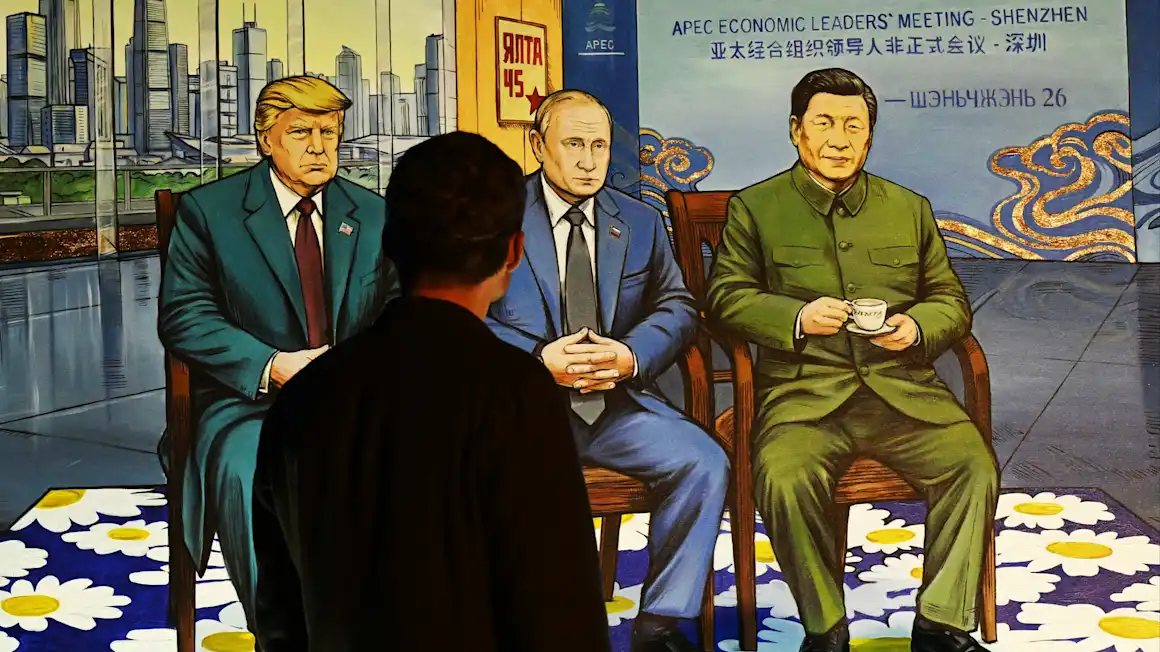
A Stage for Global Rivals
Asia is currently witnessing a convergence of high-profile diplomatic engagements that have drawn international scrutiny. The week’s events are defined by a series of meetings involving some of the world's most powerful political figures, creating a complex landscape of international relations. Summits hosted in China and the Philippines have provided the primary backdrop for these interactions, highlighting the region's central role in global diplomacy.
The presence of key global leaders has elevated the stakes of these diplomatic exchanges. Discussions are not merely ceremonial but reflect deeper strategic alignments and rivalries. The proximity of these summits suggests a coordinated effort to address pressing geopolitical issues, with leaders from major powers engaging in direct dialogue to navigate the shifting tides of international power.
Strategic Maneuvering in the Region
The diplomatic schedule has been packed with engagements that underscore the interconnected nature of modern statecraft. Leaders are utilizing these platforms to signal their positions to both domestic and international audiences. The involvement of powerful global rivals indicates that these meetings are critical in shaping the future of regional stability and global economic policy. Each summit serves as a barometer for the health of bilateral and multilateral relationships.
Observers note that the timing of these summits is significant. With tensions high in various global theaters, the interactions in Asia are being closely watched for any signs of de-escalation or, conversely, heightened friction. The diplomatic efforts are aimed at clarifying intentions and establishing frameworks for future cooperation or conflict management among the participating nations.
Implications for Global Order
The outcomes of these high-stakes meetings will likely have far-reaching consequences. As global powers recalibrate their strategies, the decisions made during these summits could influence trade policies, security alliances, and technological cooperation. The diplomatic dance in Asia is a microcosm of the broader global struggle for influence and order in the 21st century.
While the specific details of the discussions remain under close guard, the mere fact of these high-level meetings is noteworthy. It demonstrates a willingness to engage directly, even among rivals, which is a crucial component of maintaining international stability. The world is watching to see if these diplomatic overtures translate into concrete policy changes or remain symbolic gestures.
What Happens Next
As the week progresses, further details regarding the outcomes of these summits are expected to emerge. Analysts will be looking for any joint statements or agreements that may signal a shift in diplomatic posture. The ongoing dialogue between these powerful figures will continue to shape the narrative of global diplomacy in the coming months.
Key takeaways
- Summits in China and the Philippines provide the backdrop for a week of intense diplomatic activity.
- Meetings involve powerful global rivals, including leaders from major world powers.
- The high-stakes nature of these engagements reflects the current geopolitical tensions in Asia.
- Diplomatic efforts are focused on managing rivalries and establishing strategic alignments.
- The outcomes of these summits will have significant implications for global order and regional stability.





