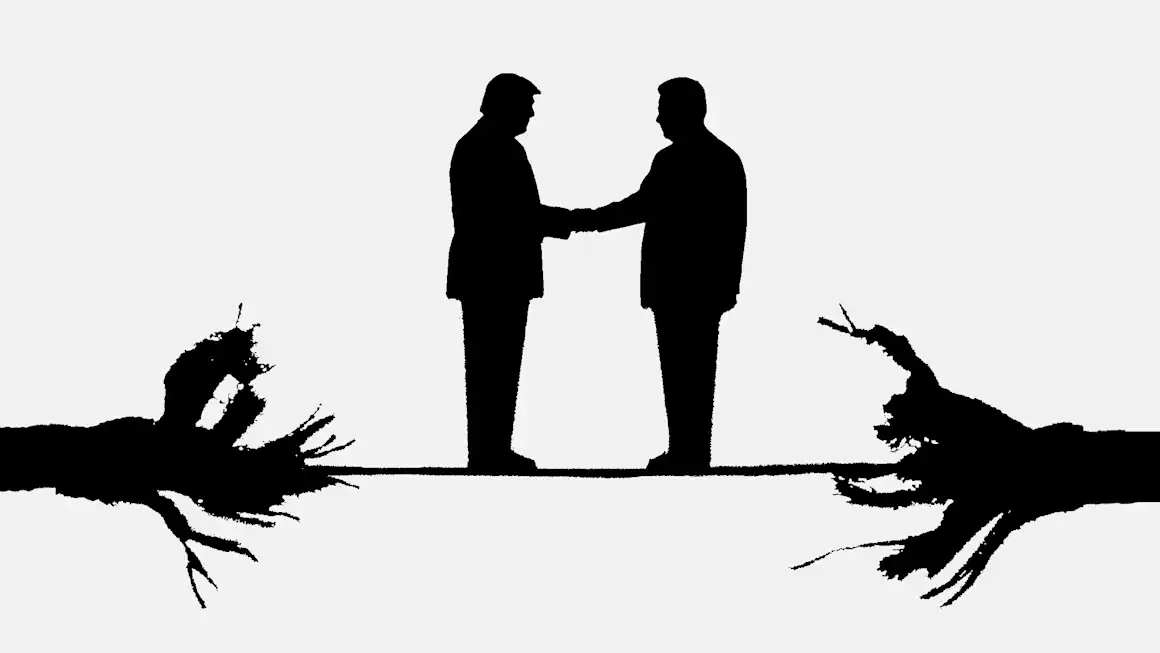
The Shenzhen Summit Signals High Stakes
The recent diplomatic engagements in Shenzhen have underscored the escalating tensions between the United States and China, revealing a landscape where Beijing appears increasingly vulnerable to external pressure. The summit served as a critical backdrop for observing the shifting strategies of both nations, with particular attention focused on the diplomatic maneuvers of Chinese leadership. Analysts note that the discussions held in Shenzhen were not merely procedural but carried significant weight in determining the trajectory of bilateral relations in the coming months.
Beijing's approach during these talks suggests a recognition of the growing leverage held by Washington. The venue itself, Shenzhen, a hub of Chinese technological innovation, symbolizes the intersection of economic dependency and strategic rivalry. As negotiations unfolded, it became evident that Chinese officials are navigating a complex web of domestic economic challenges and international isolation, making the outcome of these talks vital for their long-term strategic planning.
Washington Calls for Tougher Measures
Simultaneously, the political climate in the United States is undergoing a significant transformation that directly impacts foreign policy. A growing chorus of voices in Washington is advocating for more stringent measures against China, citing national security concerns and economic unfairness. This shift in sentiment is not limited to fringe elements but includes influential policymakers and commentators who argue that previous strategies of engagement have failed to yield the desired results.
The call for tougher measures reflects a broader consensus among certain factions of the US political establishment that a more confrontational stance is necessary. This includes proposals for increased tariffs, stricter export controls, and enhanced sanctions on key Chinese entities. The intensity of these calls suggests that any future administration, particularly one led by figures like Donald Trump, may feel compelled to act decisively to satisfy this domestic political base.
Trump's Resurgence and Beijing's Dilemma
Central to this dynamic is the political resurgence of Donald Trump, whose potential return to the presidency has sent shockwaves through diplomatic circles. Trump's previous tenure was marked by aggressive trade policies and a willingness to disrupt established norms, leaving a lasting imprint on US-China relations. His current political momentum indicates that a second term could see an even more aggressive approach, forcing Beijing to reconsider its strategic options.
For Xi Jinping, the challenge is multifaceted. The need to maintain economic stability while countering external pressure requires careful balancing. The perception that Xi needs Trump more than ever stems from the fact that Trump's policies, while unpredictable, offer a specific set of challenges that Beijing has had to navigate before. In contrast, the alternative political landscapes in the US may present different, yet potentially equally difficult, diplomatic hurdles. This dynamic places Beijing in a position where it must anticipate and mitigate the impact of Trump's potential policies while managing ongoing tensions with other global powers.
The interplay between Shenzhen's diplomatic efforts and Washington's hardening stance creates a volatile environment. As negotiations continue, the stakes remain high for both sides. The outcome of these interactions will likely define the nature of US-China relations for years to come, influencing everything from trade agreements to technological cooperation. The world watches closely, aware that any miscalculation could have far-reaching consequences for the global economy and geopolitical stability.
Key takeaways
- The Shenzhen summit highlighted the increasing vulnerability of Beijing in the face of US pressure.
- Donald Trump's political resurgence poses a significant challenge for Chinese leadership's strategic planning.
- Analysts suggest that Xi Jinping faces a more difficult diplomatic landscape due to shifting US politics.
- The balance of power in the US-China relationship is currently tilting in favor of US hardliners.
Washington is experiencing a growing consensus for tougher economic and diplomatic measures against China.





