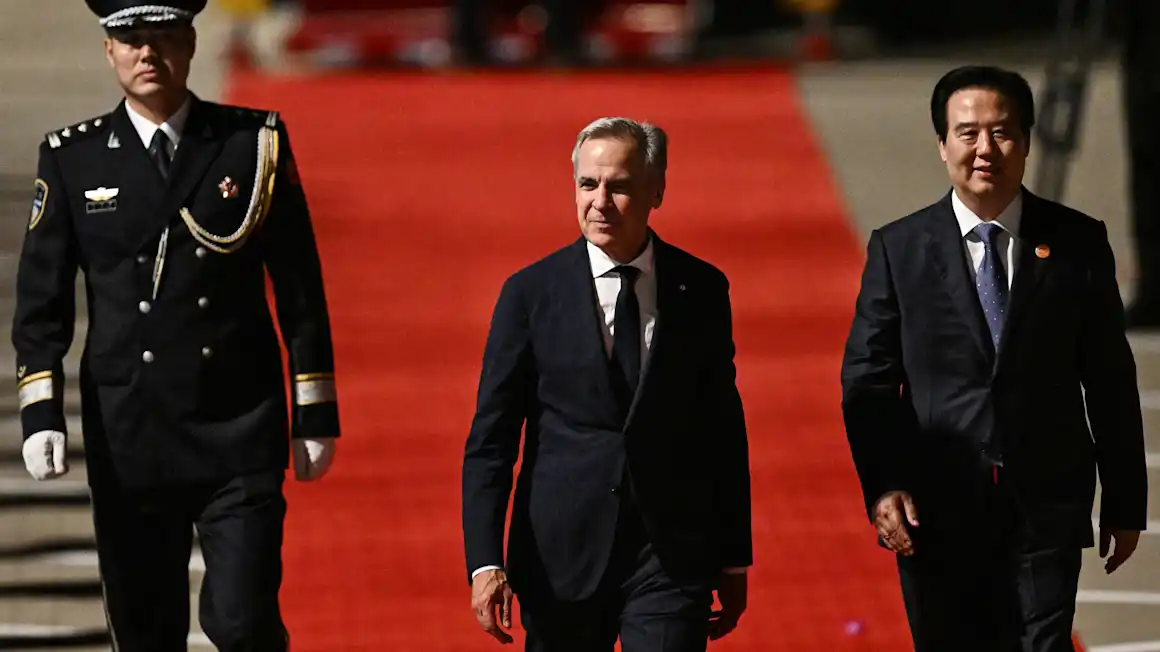
Strategic Trade Realignment
In a significant move toward economic rapprochement, Chinese President Xi Jinping and Canadian Prime Minister Mark Carney have agreed to slash tariffs between the two nations. This decision marks a pivotal shift in trade relations, aiming to strengthen bilateral economic ties amidst a complex global geopolitical landscape. The reduction in trade barriers is part of a broader strategy by Beijing to court 'middle powers,' nations that are not aligned with major superpowers but hold significant economic and diplomatic weight on the international stage.
Canada’s decision to engage more deeply with China’s market is seen as an effort to diversify its trade portfolio. For years, Canadian trade policy has been heavily influenced by its close relationship with the United States. However, recent pressures and uncertainties stemming from US trade policies have prompted Ottawa to look for alternative markets. By lowering tariffs, Canada hopes to secure a more stable and diversified export environment, reducing its vulnerability to fluctuations in the North American market.
For China, the initiative serves as a strategic counterweight to Western economic containment efforts. By cultivating relationships with middle powers like Canada, Beijing aims to create a more multipolar trade system. This approach allows China to maintain and expand its global market share while mitigating the impact of sanctions or trade wars with major economies like the US and the EU. The tariff slash is a tangible demonstration of this strategy, offering Canadian businesses improved access to the vast Chinese consumer market.
Analyst Warnings on Dependency
Despite the potential benefits, the move has sparked concern among financial analysts and geopolitical experts. The primary worry is that Ottawa’s efforts to hedge against US pressure may inadvertently create a new form of dependency on Beijing. As Canada reduces barriers to Chinese goods and investment, it risks becoming increasingly integrated into China’s economic sphere of influence. This shift could limit Canada’s policy autonomy and expose it to risks associated with China’s domestic economic slowdowns or political maneuvers.
Analysts warn that the long-term implications of this trade realignment could be profound. While short-term gains in export revenue and market access are likely, the structural shift in trade dependencies could have lasting effects on Canada’s economic sovereignty. The fear is that as Canada becomes more reliant on the Chinese market, it may find it difficult to pivot away in the event of deteriorating diplomatic relations or renewed trade tensions.
The dynamic between Canada and China is further complicated by historical trade disputes and security concerns. Previous tensions over technology transfers and national security have made many Canadian policymakers wary of deeper economic integration with Beijing. However, the current administration appears to be prioritizing immediate economic benefits and strategic diversification over these historical reservations. This represents a significant departure from previous trade strategies and signals a new era in Canada’s foreign economic policy.
Future Implications and Market Reactions
As the tariff reductions take effect, businesses on both sides of the Pacific will need to adapt to the new trade landscape. Canadian exporters, particularly in the agricultural and resource sectors, are expected to see increased opportunities in China. Conversely, Chinese manufacturers and service providers may gain greater access to Canadian markets, potentially increasing competition for domestic firms. The adjustment period will likely involve significant changes in supply chains, pricing strategies, and regulatory compliance for companies operating in both jurisdictions.
Investors are closely monitoring the situation for signs of how this trade shift will impact various sectors. While some industries may benefit from improved market access, others could face challenges from increased competition. The overall impact on the Canadian and Chinese economies will depend on how effectively businesses can navigate the new trade environment and how the broader geopolitical context evolves.
The move also raises questions about the future of US-Canada trade relations. As Canada seeks to diversify its trade partners, the United States may view this as a challenge to its traditional influence in the region. This could lead to a reevaluation of bilateral trade agreements and potentially result in new tensions between Washington and Ottawa. The balance of power in North American trade could shift as Canada asserts its independence and pursues a more multi-directional trade strategy.
Key takeaways
- China and Canada have agreed to slash tariffs to strengthen bilateral trade ties.
- Canada aims to diversify its trade portfolio and reduce reliance on the US market.
- China is using the initiative to court middle powers and counter Western economic containment.
- Analysts warn that Ottawa’s strategy may create new economic dependencies on Beijing.
- The move reflects a significant shift in Canada’s foreign economic policy and geopolitical alignment.





