A New Generation of Lawmakers
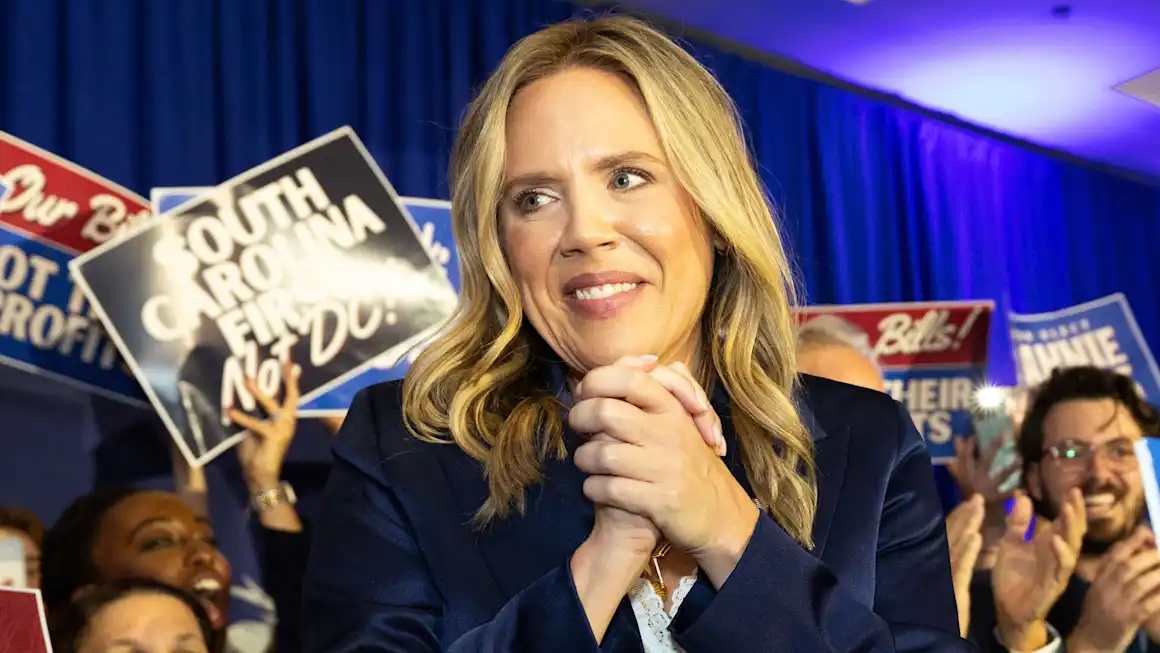
The United States Senate has welcomed a fresh cohort of elected officials following the most recent election cycle. This new intake represents a significant shift in the chamber's composition, bringing in individuals who are not only establishing their legislative careers but are also widely recognized within political circles as future contenders for the highest office in the land. The arrival of these new faces marks a pivotal moment for the legislative branch, as the balance of power and the dynamics of bipartisan cooperation are likely to evolve with these additions.
Among the newly elected senators, several individuals have already garnered substantial attention from national political analysts and donors. Their election is viewed not merely as a victory for their respective districts or states, but as a strategic positioning for national leadership roles. The political establishment is closely monitoring these individuals, as their early legislative behavior and policy stances will serve as early indicators of their viability in future presidential races.
The inclusion of these potential presidential candidates in the Senate adds a layer of complexity to the current political environment. Unlike typical first-term senators who may focus primarily on local constituents and committee work, these new members are operating under the scrutiny of national campaigns. Their legislative priorities may reflect broader national issues that resonate with a wider electorate, potentially influencing the agenda of the Senate in ways that transcend traditional local concerns.
Implications for the Political Landscape
The presence of future presidential hopefuls in the Senate has immediate implications for the chamber's internal dynamics. These lawmakers often bring with them significant fundraising networks and media visibility, which can alter the power structure within the Senate. Senior members may find themselves navigating relationships with newer colleagues who have the resources and ambition to challenge established norms or leadership structures.
Furthermore, the election of these figures signals shifting voter sentiments across various demographics and regions. Their victories suggest that certain policy positions or political narratives have gained traction with the electorate. This shift is critical for political strategists and analysts who are trying to predict the trajectory of the country's political direction over the next four to eight years. The Senate, as a body designed for stability and continuity, is now infused with individuals whose primary focus may be on the executive branch.
Market observers and economic analysts are also paying close attention to these developments. The legislative agenda is directly tied to regulatory frameworks, fiscal policy, and economic stability. With new senators who have national ambitions, the likelihood of significant legislative changes or political gridlock may increase, depending on the alignment of their goals with the broader political climate. The policy positions of these future presidential candidates will be closely watched to gauge potential shifts in tax policy, healthcare, and international trade regulations.
What Happens Next
As the new Senate convenes, the focus will be on committee assignments and the formation of alliances. The new members will need to quickly establish their credibility and influence within the chamber. Their interactions with senior senators and party leaders will define their early legislative impact. The political world will watch closely to see how these individuals balance their immediate legislative duties with their long-term national ambitions.
The coming months will reveal how these new faces navigate the complexities of Washington politics. Their ability to deliver on campaign promises while managing the realities of governance will be a key test. Additionally, the reactions of their political rivals and allies will shape the narrative surrounding their careers. The Senate, often described as the world's most powerful deliberative body, is now hosting a new group of players who are already thinking about the next major political contest.
The integration of these new senators into the existing political framework will be a gradual process. However, their presence is already altering the conversation in Washington. As they settle into their roles, the political and economic landscapes will continue to adapt to their influence. The coming legislative sessions will provide critical insights into how these future presidential candidates plan to wield their power and shape the nation's future direction.
Key takeaways
- The new US Senate intake includes several winners viewed as future presidential candidates.
- These new members bring significant national visibility and fundraising capabilities to the chamber.
- Their presence adds complexity to Senate dynamics and legislative priorities.
- Market and economic analysts are monitoring these developments for potential policy shifts.
- The election results signal shifting voter sentiments across various demographics.
- Early legislative behavior will serve as a key indicator of their future national viability.





