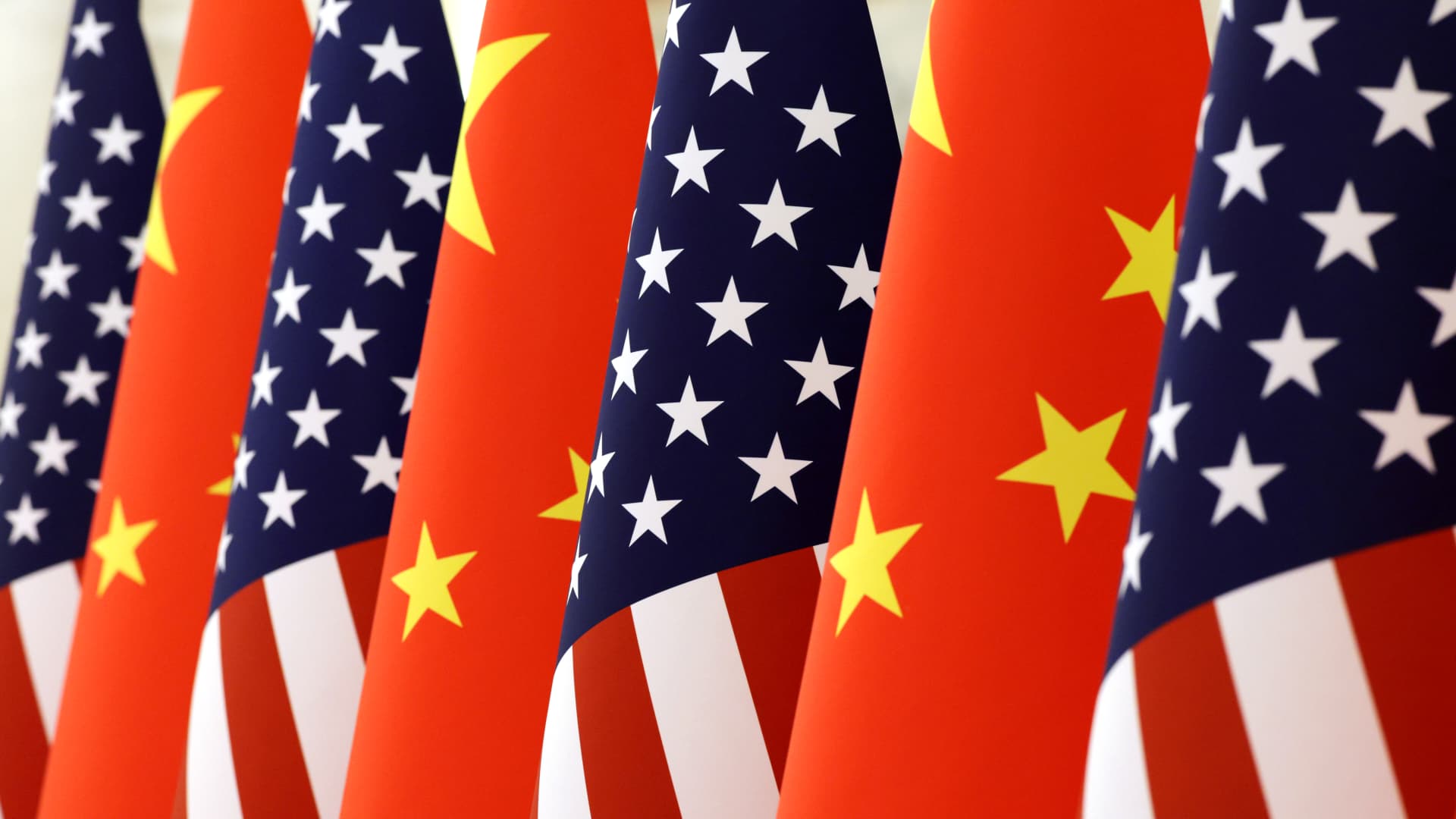
Political Shifts Impact Trade Negotiations
The political landscape in the United States is undergoing a significant transformation following the midterm elections, with Democrats securing a sweeping victory. This shift in congressional power introduces new variables into the complex web of international relations, particularly concerning the United States' relationship with China. As political analysts observe the immediate aftermath of these elections, there is a growing consensus that the balance of power has tilted, potentially altering the trajectory of high-stakes diplomatic engagements that have defined much of the current administration's foreign policy.
Central to these concerns is the stability of the existing trade framework between the two global superpowers. The current trade arrangement, often described by observers as a fragile truce, hangs in the balance as the newly empowered Democratic majority prepares to assert its influence on economic policy. The administration led by President Donald Trump has long prioritized a direct approach to trade negotiations, but the legislative check-and-balance system provided by Congress now presents a more robust counterweight to executive decisions.
Analysts note that the growing risks surrounding President Trump's ability to maintain this fragile trade truce are not merely theoretical. The structural changes in Washington mean that any future trade agreements or modifications to existing tariffs will face heightened scrutiny and potential legislative pushback. This dynamic suggests that the era of unilateral executive action on trade matters may be drawing to a close, replaced by a more collaborative, yet potentially more contentious, legislative process.
Implications for Global Markets
The implications of this political shift extend far beyond the borders of Washington. For global markets, the uncertainty surrounding U.S.-China relations can lead to volatility in currency exchanges, stock indices, and commodity prices. Investors and financial institutions are closely monitoring the situation, as the stability of the trade truce has been a key factor in maintaining market confidence in recent years. Any disruption to this equilibrium could trigger a reassessment of risk premiums across various asset classes.
The Democratic majority is expected to bring a different perspective to trade policy, potentially emphasizing labor standards, environmental regulations, and intellectual property protections more heavily than the previous administration. This shift in focus could lead to stricter conditions for any future trade deals with China, complicating the path toward a comprehensive resolution of trade disputes. The contrast between the executive branch's approach and the legislative branch's priorities creates a complex environment for negotiators on both sides of the Pacific.
Furthermore, the geopolitical ramifications of this domestic political change cannot be overlooked. Allies and adversaries alike are recalibrating their strategies based on the anticipated policy shifts. The potential for a more assertive congressional role in trade matters may signal to China that the United States is united in its economic objectives, even if the methods of achieving them are subject to democratic debate. This unity could strengthen the U.S. position in negotiations, but it also raises the stakes for any misstep in diplomatic handling.
Looking Ahead: A New Legislative Era
As the new Congress prepares to convene, the focus will likely turn to how legislative leaders intend to leverage their new power to shape trade policy. The interplay between the White House and Capitol Hill will be critical in determining the future of the U.S.-China relationship. Observers suggest that the next few months will be pivotal in establishing the new norms for economic diplomacy between the two nations.
The success of the current trade truce will depend heavily on the administration's ability to navigate this new political reality. If the President can maintain a working relationship with the Democratic leadership, the truce may hold, albeit with modifications. However, if the divide deepens, the risk of a trade war escalating or the truce collapsing increases significantly. The coming period will test the resilience of diplomatic channels and the adaptability of economic policy in a polarized political environment.
Ultimately, the Democratic midterm sweep represents a turning point in U.S. trade policy. It underscores the importance of bipartisan cooperation in maintaining global economic stability. As the dust settles on the elections, the world watches to see how this new political dynamic will reshape one of the most important economic relationships of the 21st century.
Key takeaways
- Democrats have secured a sweeping victory in the U.S. midterm elections, shifting the balance of power in Congress.
- Analysts warn that this political change increases risks to the fragile trade truce between the U.S. and China.
- President Donald Trump's ability to maintain current trade agreements faces heightened scrutiny from the new legislative majority.
- The Democratic majority is expected to emphasize stricter conditions on labor, environment, and intellectual property in future deals.
- Global markets may experience volatility as uncertainty regarding U.S.-China relations grows in the wake of the election.





