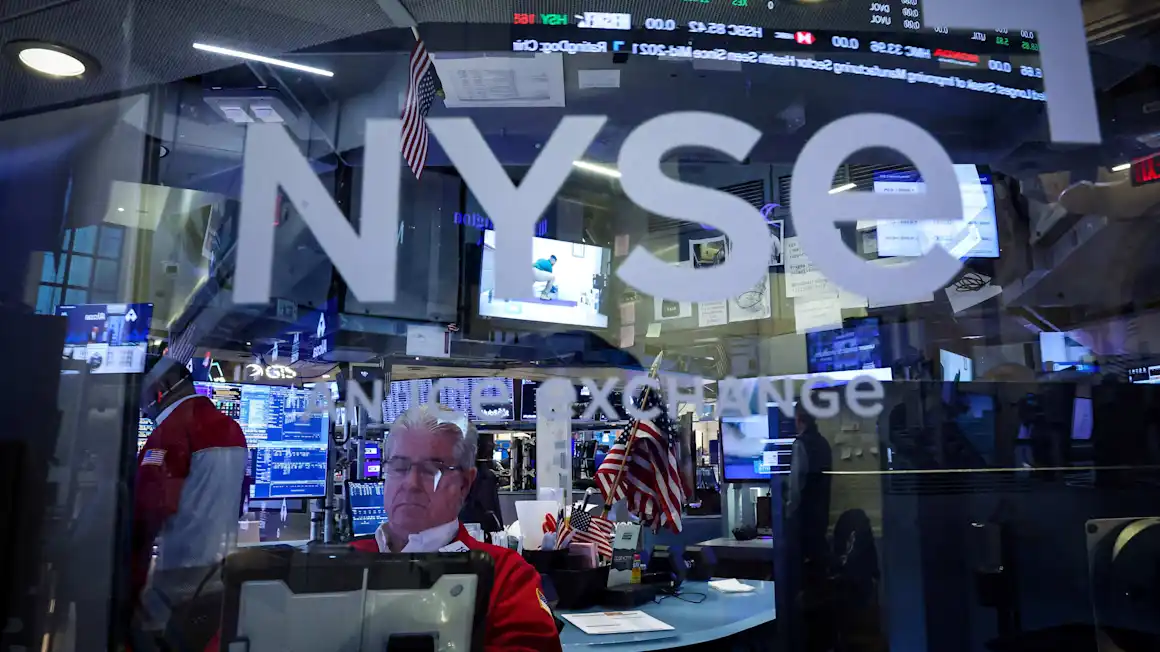
Market Anticipation and Volatility
Wall Street is currently navigating a period of heightened tension as the nation prepares for a critical electoral event. Financial markets, which have recently shown resilience, are now bracing for potential fluctuations as voters head to the polls. The convergence of political uncertainty and economic data has created an environment where asset prices are highly sensitive to polling shifts. Traders and institutional investors are closely monitoring sentiment indicators, recognizing that the immediate aftermath of election results could trigger rapid reallocations across various sectors.
The stakes for the financial community are exceptionally high, as the incoming administration's policy choices will have far-reaching consequences for corporate profitability and government fiscal health. Market participants are not merely reacting to current economic conditions but are attempting to price in the probability of different policy scenarios. This forward-looking behavior is evident in the volatility indices, which often spike in the weeks leading up to major political events. The anticipation of a decisive mandate or a divided government is influencing hedging strategies across the globe.
The AI and Technology Sector Under Scrutiny
One of the most significant areas of concern for investors is the trajectory of artificial intelligence. The election outcome is expected to set the regulatory framework for AI development, deployment, and safety standards. Companies heavily invested in machine learning and data infrastructure are waiting to see which party will prioritize innovation through deregulation versus imposing strict oversight and ethical guidelines. The potential for new legislation affecting data privacy, intellectual property rights, and government contracts for tech firms adds a layer of complexity to valuation models.
Public spending is another critical variable that will be determined by the voters. Federal budget allocations will directly impact industries ranging from defense and infrastructure to healthcare and green energy. A shift in congressional control could alter the pace of infrastructure bills or reshape the subsidies available for renewable energy projects. Investors are analyzing polling data to gauge the likelihood of specific legislative agendas passing, as these outcomes will determine the revenue streams for countless publicly traded companies. The intersection of political power and industrial policy is becoming increasingly pronounced in market analysis.
The broader economic implications extend beyond specific sectors. Government spending levels influence aggregate demand, inflation rates, and interest rate policies set by the Federal Reserve. If the election results in a administration that favors expanded fiscal stimulus, markets may anticipate higher inflation and subsequent monetary tightening. Conversely, a focus on deficit reduction could lead to different economic dynamics, potentially lowering long-term interest rates but possibly slowing short-term growth. These macroeconomic shifts are fundamental drivers of equity and bond market performance.
What Happens Next
As the polling date approaches, the focus will remain on voter turnout and demographic shifts. Historical data suggests that election outcomes can be unpredictable, often defying pre-election polls. Financial analysts are advising clients to maintain diversified portfolios to weather potential post-election volatility. The immediate reaction of markets to the initial results may be driven by sentiment rather than fundamental changes, but the longer-term trends will be dictated by the actual policy implementations.
The global market is also watching closely, as U.S. political decisions have ripple effects on international trade, currency values, and geopolitical stability. Emerging markets, in particular, may see capital flows shift based on the perceived stability of U.S. foreign policy. The interconnectivity of the global economy means that a high-stakes poll in the United States is a matter of international financial interest.
Ultimately, the election will set the trajectory for everything from AI innovation to public spending. The decisions made in the coming months will define the economic landscape for years. Investors are advised to stay informed and remain adaptable as the political situation evolves. The market's response will be a reflection of how well the new administration's policies align with economic realities and corporate expectations.
Key takeaways
- Wall Street is preparing for significant market volatility as voters head to the polls.
- The election outcome will determine the regulatory and spending trajectory for the artificial intelligence sector.
- Federal public spending decisions will directly impact various industries and the broader economy.
- Investors are closely monitoring polling data to anticipate shifts in legislative power and policy.
- Global markets are also sensitive to U.S. election results due to their impact on trade and geopolitical stability.





