Market Reaction to Political Upset
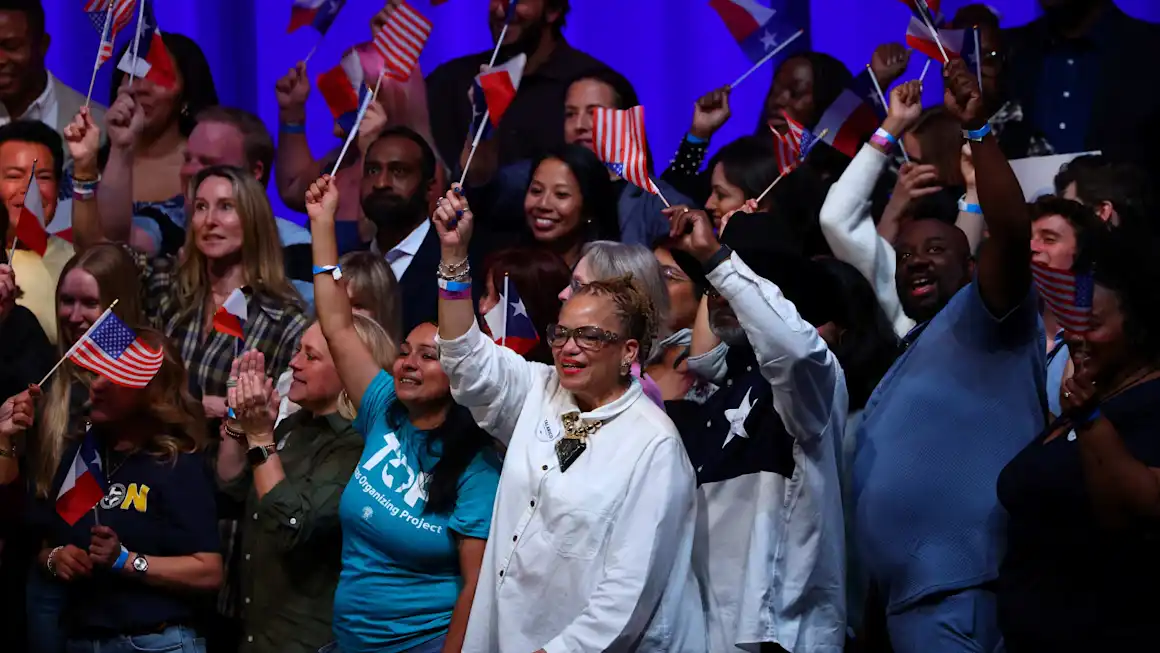
The financial markets have registered a distinct shift in sentiment following the conclusion of the recent midterm elections. Oil prices have experienced a notable decline, a movement that analysts are directly linking to the unexpected political outcomes. The landslide victory secured by Democratic candidates has introduced a new variable into the geopolitical equation, specifically regarding the ongoing conflict in the Middle East. This development has placed immediate pressure on former President Donald Trump and his allies to advocate for a cessation of hostilities in the region.
The correlation between political stability and energy markets remains a critical factor for investors. The sudden drop in oil prices suggests that market participants are pricing in a potential de-escalation of tensions. This reaction underscores the sensitivity of energy stocks to geopolitical news. Investors are closely monitoring how this political shift might influence global supply chains and energy production costs in the coming months.
Geopolitical Implications and Pressure on Trump
James Vance, a prominent figure in the Republican party, has publicly attributed the party's defeat in the midterms to the complexities surrounding the war with Iran. His comments highlight the internal struggle within the Republican base regarding foreign policy commitments. The narrative suggests that voters may have been fatigued by prolonged military engagements or concerned about the economic repercussions of such conflicts. This perspective adds a layer of political analysis to the financial data, indicating that voter sentiment is heavily influenced by international affairs.
The pressure on Donald Trump to address the Middle East conflict has intensified following these results. As a key influencer in Republican politics, his stance on foreign policy is under scrutiny. The Democratic victory is seen by many observers as a mandate for a different approach to international diplomacy. This could lead to a reevaluation of strategies that have previously supported continued military presence in the region. The interplay between political power and economic policy is now more visible than ever.
Future Outlook for Energy and Politics
Looking ahead, the energy sector may face volatility as political strategies evolve. The fall in oil prices could be a precursor to further adjustments if diplomatic efforts succeed. Conversely, any failure to de-escalate tensions could reverse this trend quickly. The market is currently in a state of anticipation, waiting for concrete policy announcements from both Democratic and Republican leaders. The next few weeks will be crucial in determining the long-term impact of these midterm results on global energy markets.
Furthermore, the political landscape in the United States is likely to see increased debate over the role of military intervention. The Republican party, reeling from its defeat, may reassess its platform on foreign policy. This internal reflection could influence future legislative proposals and budget allocations for defense and energy. The Democratic majority may push for policies that prioritize diplomacy over military action, potentially affecting international alliances and trade agreements.
The convergence of political power shifts and market reactions presents a complex scenario for stakeholders. While the immediate drop in oil prices is a positive indicator for consumers, it raises questions about the sustainability of such trends. Investors must remain vigilant regarding geopolitical developments that could alter the supply and demand dynamics of energy resources. The coming period will test the resilience of markets in the face of political uncertainty.
Key takeaways
- Oil prices have tumbled following the Democratic landslide victory in the midterms.
- Pressure is mounting on Donald Trump to end the Middle East conflict.
- Market participants are reacting to the potential for de-escalation in the region.
- The political shift may lead to changes in U.S. foreign policy strategy.
James Vance attributed the Republican defeat to the war with Iran.





