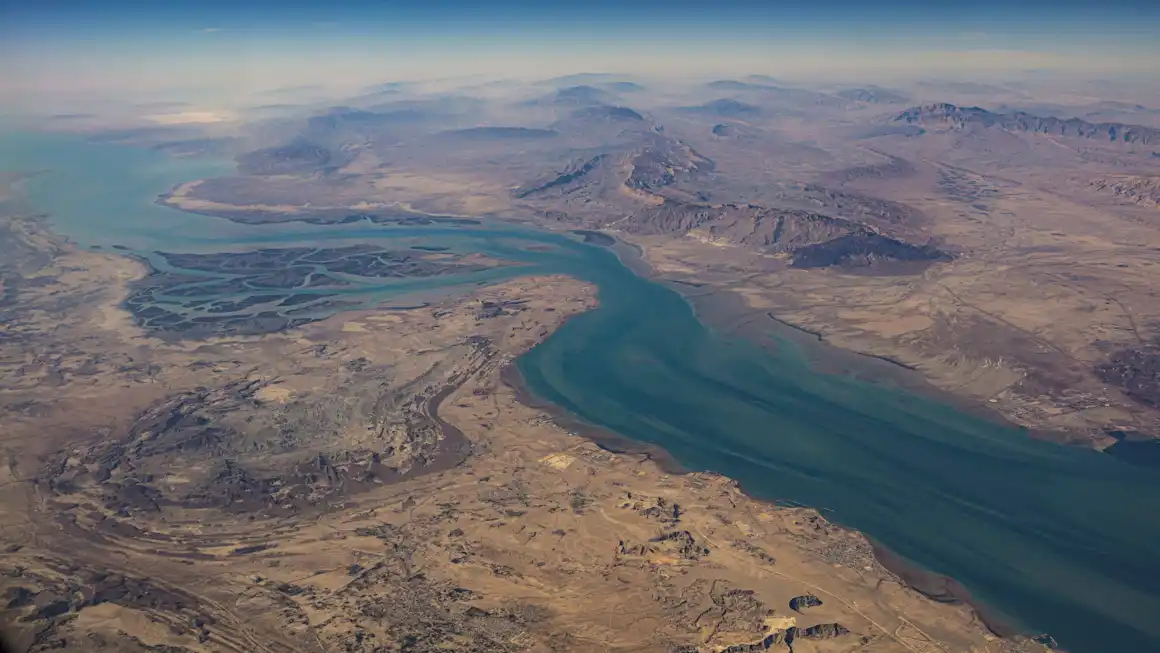
Military Action on Qeshm Island
Washington has confirmed that US forces executed strikes against targets located on Iran’s Qeshm Island. The operation took place on the eve of a significant election period, heightening geopolitical tensions in the region. The US government characterized the military action as a defensive measure, asserting that it was necessary to counter Tehran’s potential use of surface-to-air missiles. This justification underscores the strategic calculus driving the decision to engage militarily in Iranian territory during a sensitive political window.
Market Stability Amid Conflict
Despite the escalation of hostilities, global oil markets exhibited notable stability following the announcement of the strikes. Oil prices did not experience the sharp volatility typically associated with direct military confrontations in major oil-producing regions. This steadiness suggests that market participants may have anticipated the risk or determined that the specific targets struck did not pose an immediate threat to global supply chains. The lack of significant price movement indicates a degree of market resilience or a reassessment of the immediate impact on energy logistics.
The US administration’s framing of the operation as purely defensive has been central to its communication strategy. By citing the threat of surface-to-air missiles, Washington aims to justify the incursion into Iranian airspace and territory as a necessary step to protect its interests and forces. This narrative is critical in managing both domestic and international perceptions of the conflict, particularly as it coincides with the eve of an election. The timing suggests a strategic alignment between military action and political timelines, though officials have not explicitly linked the two in public statements.
Qeshm Island, located in the Strait of Hormuz, holds strategic importance due to its proximity to critical shipping lanes and potential oil infrastructure. Strikes on this island signal an escalation in the level of engagement between the two nations. The choice of target highlights the US focus on neutralizing specific military capabilities rather than engaging in a broader campaign of destruction. This targeted approach may reflect a desire to limit the scope of the conflict while still sending a strong deterrent message to Tehran.
Analysts are closely monitoring the reaction from Tehran to determine the trajectory of the conflict. Iran’s response could range from diplomatic protests to further military escalation, which would have profound implications for regional stability and global energy markets. The absence of immediate retaliatory actions does not preclude future measures, and the situation remains fluid. Investors and policymakers alike are waiting for clarity on whether this incident represents an isolated event or the beginning of a sustained period of heightened tension.
Implications for Future Escalation
The use of surface-to-air missiles as the cited justification for the strikes points to ongoing concerns about air defense capabilities in the region. The US assessment that Iran might employ these weapons suggests intelligence findings indicating a credible threat. This perception of threat is what drove the decision to strike, regardless of the actual intent or capability of Iran at the time. The defensive posture claimed by Washington serves to legitimize the action under international law principles of self-defense, a distinction that will likely be debated in diplomatic circles.
As the election approaches, the political ramifications of this military action for US leadership are significant. The decision to engage in cross-border strikes during an election cycle adds a layer of complexity to the political discourse. Supporters may view the action as strong leadership and necessary protection, while critics may question the timing and the potential for unintended escalation. The outcome of the election could influence future US policy toward Iran, making the current actions a pivotal moment in the broader geopolitical landscape.
The steady oil prices thus far indicate that markets are absorbing the news without panic. However, the long-term impact on energy security remains uncertain. Any disruption to shipping lanes around the Strait of Hormuz or damage to infrastructure on Qeshm Island could alter market dynamics. Investors are advised to monitor developments closely, as the situation is evolving rapidly. The interplay between military action, political timing, and market reaction underscores the interconnectedness of global affairs.
Key takeaways
- The United States struck targets on Iran’s Qeshm Island, citing a defensive need to counter potential surface-to-air missile threats.
- Oil prices remained steady following the announcement, suggesting markets did not perceive an immediate threat to supply chains.
- The timing of the strikes coincides with the eve of a significant election, raising questions about political motivations.
- Washington framed the operation as a preemptive defensive measure rather than an act of aggression.
- Qeshm Island’s location near the Strait of Hormuz makes it a strategically sensitive target for military engagement.





