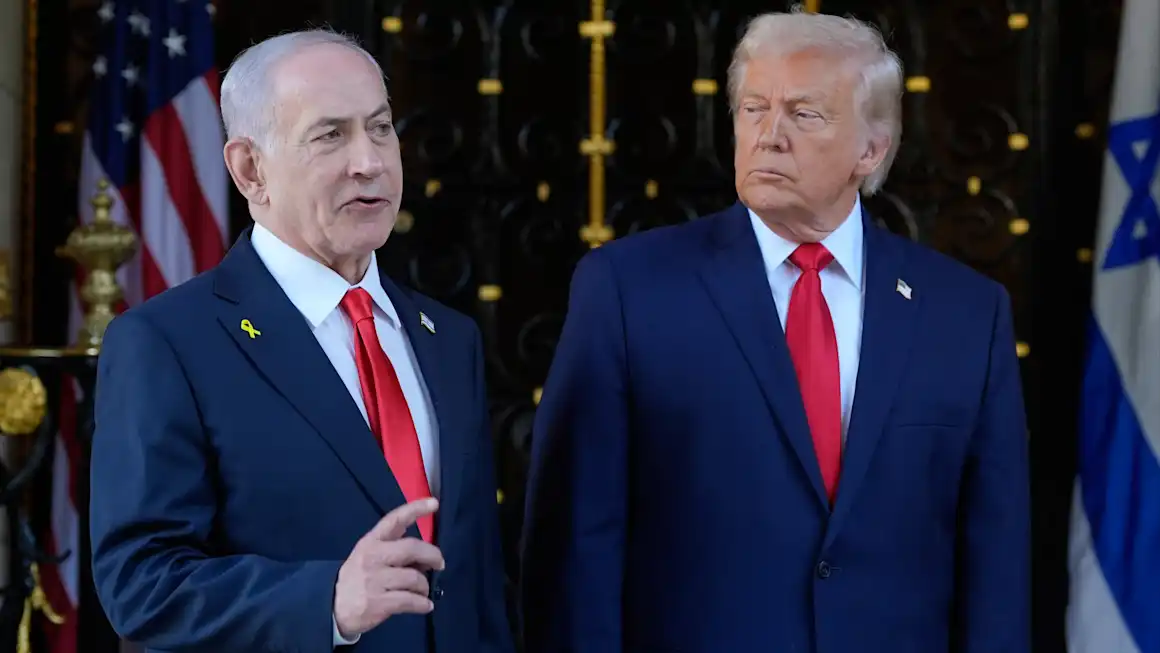
Electorate Demands Policy Reset
Recent electoral outcomes in the United States are indicating a decisive shift in public sentiment regarding foreign policy, particularly concerning the Middle East. The results suggest that a significant portion of the American electorate, including key political figures such as Vice President JD Vance, is calling for an immediate cessation of military engagements involving Iran. This emerging consensus marks a departure from previous administrations' strategies, highlighting a growing demand for de-escalation and a reevaluation of long-standing alliances in the region.
The political landscape is increasingly defined by voter fatigue regarding prolonged conflicts. The call to end the Iran war is not merely a fringe sentiment but appears to be gaining traction among the broader voting base. This shift places pressure on Washington to reconsider its military posture and strategic commitments, suggesting that future policy decisions will need to align more closely with public opposition to ongoing hostilities.
Reassessing the Israel Alliance
Alongside the desire to end the conflict with Iran, there is a noted movement to distance Washington from its close proximity to Israel. This sentiment suggests a broader reassessment of the unconditional support previously extended to Israeli policies. The electorate's stance indicates that the traditional framework of US-Israel relations is under scrutiny, with voters demanding a more balanced approach that considers regional stability and international law rather than solely prioritizing bilateral ties.
Vice President JD Vance's alignment with this voter sentiment underscores the political viability of such a pivot. His public stance reflects a growing recognition within the administration that continued support for specific military actions may no longer be sustainable or politically advantageous. This alignment between the Vice President and the electorate signals that the White House may need to navigate a more complex diplomatic landscape in the coming months.
The implications of these electoral results extend beyond immediate policy adjustments. They represent a potential long-term realignment of US foreign policy priorities. As the administration processes these results, the focus may shift from military intervention to diplomatic solutions and economic engagement. This transition could have profound effects on regional dynamics, potentially altering the balance of power in the Middle East.
Analysts suggest that the upcoming policy adjustments will be closely watched by international allies and adversaries alike. The shift towards a more cautious approach in the Middle East could lead to new diplomatic initiatives aimed at reducing tensions and fostering dialogue. However, the path forward may be fraught with challenges, as the administration seeks to balance domestic political pressures with international obligations and security concerns.
Looking Ahead
The immediate future of US Middle East policy will likely be characterized by a period of transition and recalibration. As the new political reality takes hold, policymakers will need to address the demands of an electorate that is increasingly skeptical of military interventions. The challenge will be to craft a strategy that reflects these changes while maintaining national security and regional stability.
Key stakeholders, including Congress and the State Department, will play crucial roles in shaping the response to these electoral shifts. Their actions in the coming months will determine the extent to which the US moves away from its previous posture. The outcome of this policy evolution will have lasting implications for global geopolitics and the role of the United States as a global power.
Ultimately, the midterm results serve as a clear mandate for change. The desire to end the Iran war and reduce proximity to Israel represents a significant departure from the status quo. As the administration responds to these signals, the international community will be watching closely to see how the US redefines its role in one of the world's most volatile regions.
Key takeaways
- American voters are demanding an end to the ongoing war with Iran.
- Vice President JD Vance supports the electorate's desire to reduce US military involvement.
- There is a growing political movement to distance Washington from Israel.
- The midterm results indicate a significant shift in US foreign policy priorities.
- Future policy may focus on diplomatic solutions rather than military intervention.
- The administration faces pressure to align its strategy with public sentiment.





