Lawmakers Demand Explanations on Chip Exports
A bipartisan group of U.S. lawmakers has escalated pressure on Commerce Secretary Howard Lutnick, demanding detailed explanations regarding the administration's decision to permit the sale of advanced artificial intelligence chips from Nvidia to a company with alleged ties to Chinese espionage. The inquiry highlights growing tensions between the Biden-Harris administration's industrial policy and emerging concerns over national security vulnerabilities within the semiconductor supply chain.
The core of the congressional inquiry focuses on whether Lutnick, who previously served as CEO of Cantor Fitzgerald, properly vetted the recipients of export licenses. Legislators are questioning the rationale behind allowing the transfer of high-performance computing technology to entities that may have connections to the Chinese military or intelligence apparatus, a move that critics argue undermines efforts to restrict Beijing's technological advancement.
At the center of the controversy is Nvidia, the leading manufacturer of AI accelerators. The company has faced intense scrutiny globally as it navigates complex export controls designed to prevent the most advanced chips from reaching adversarial nations. The specific transaction in question involves sales to a company that U.S. intelligence and law enforcement agencies have previously identified as having links to Chinese spy networks, raising alarms about the potential misuse of dual-use technology.
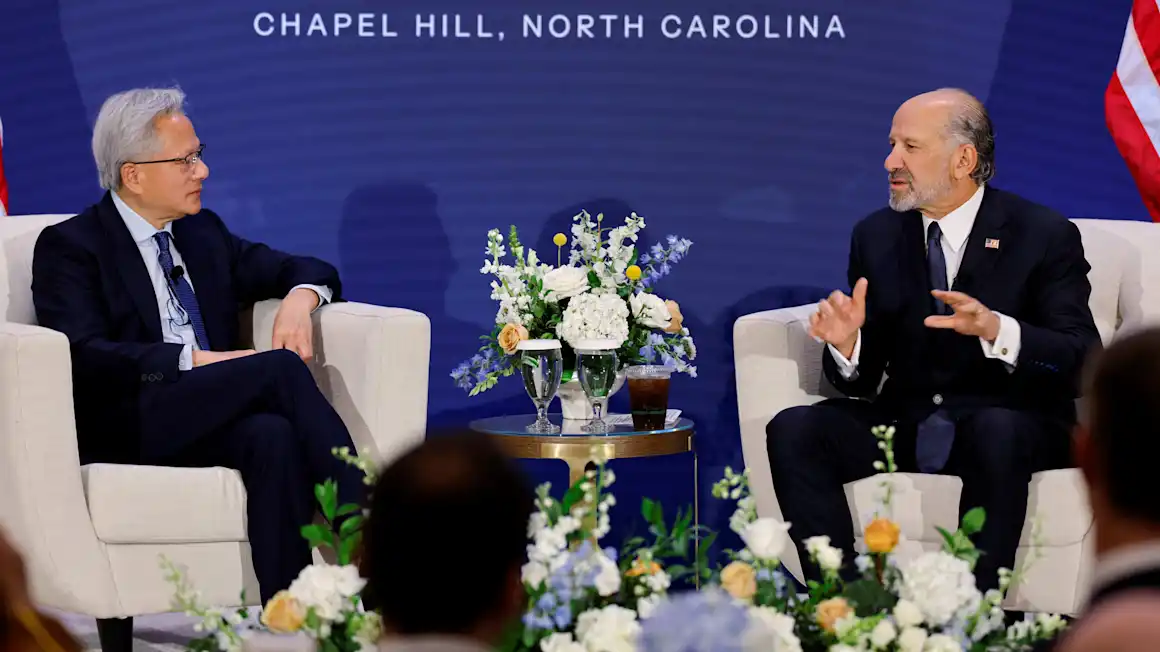
Legislators are demanding that Trump’s commerce secretary explain why he allowed chip sales to a company linked to alleged Chinese espionage, citing national security risks.
The political backlash underscores the delicate balancing act facing the current administration. On one hand, there is a push to support the domestic semiconductor industry and maintain U.S. competitiveness in AI. On the other, there is a steadfast commitment to preventing the proliferation of sensitive technologies to geopolitical rivals. The inquiry suggests that the balance may have been tipped incorrectly in this instance, with lawmakers arguing that national security should take precedence over commercial interests.
Implications for Tech Policy and Trade
This development adds another layer of complexity to the ongoing debate over U.S. trade policy and technology export controls. The involvement of a prominent business figure in the cabinet has intensified calls for transparency in how export licenses are granted. Critics argue that Lutnick's background in the financial sector and previous role at a major brokerage firm may have influenced his approach to regulatory oversight, potentially prioritizing market dynamics over security protocols.
Intellectual property and national security experts have long warned about the risks of allowing Chinese firms access to cutting-edge AI infrastructure. The alleged link between the recipient company and Chinese espionage activities suggests that the current export licensing framework may have gaps that need to be addressed. Lawmakers are urging the Commerce Department to conduct a thorough review of past decisions to ensure that no similar breaches occur in the future.
The situation also reflects broader geopolitical tensions between the United States and China. As both nations compete for dominance in AI and semiconductor technology, the U.S. government has implemented stringent measures to slow China's progress. Any perceived laxity in enforcing these measures is likely to draw sharp criticism from both parties in Congress, who view technological supremacy as a critical component of national security.
As the investigation continues, the administration faces increasing pressure to justify its actions. The outcome of this inquiry could have significant implications for future export policies, potentially leading to stricter regulations and more rigorous vetting processes for semiconductor sales. It may also impact the reputation of the Commerce Department and its leadership, particularly if findings suggest negligence or conflicts of interest.
Key takeaways
- U.S. lawmakers are demanding that Commerce Secretary Howard Lutnick explain his approval of Nvidia chip sales to a company linked to alleged Chinese espionage.
- The inquiry raises serious national security concerns regarding the export of advanced AI technology to entities with potential ties to Chinese intelligence.
- The controversy highlights the tension between supporting the domestic semiconductor industry and enforcing strict export controls against geopolitical rivals.
- Critics argue that Lutnick's business background may have influenced his regulatory decisions, calling for greater transparency in the licensing process.
- The situation adds pressure on the administration to review and potentially tighten existing export control frameworks for high-performance computing hardware.





