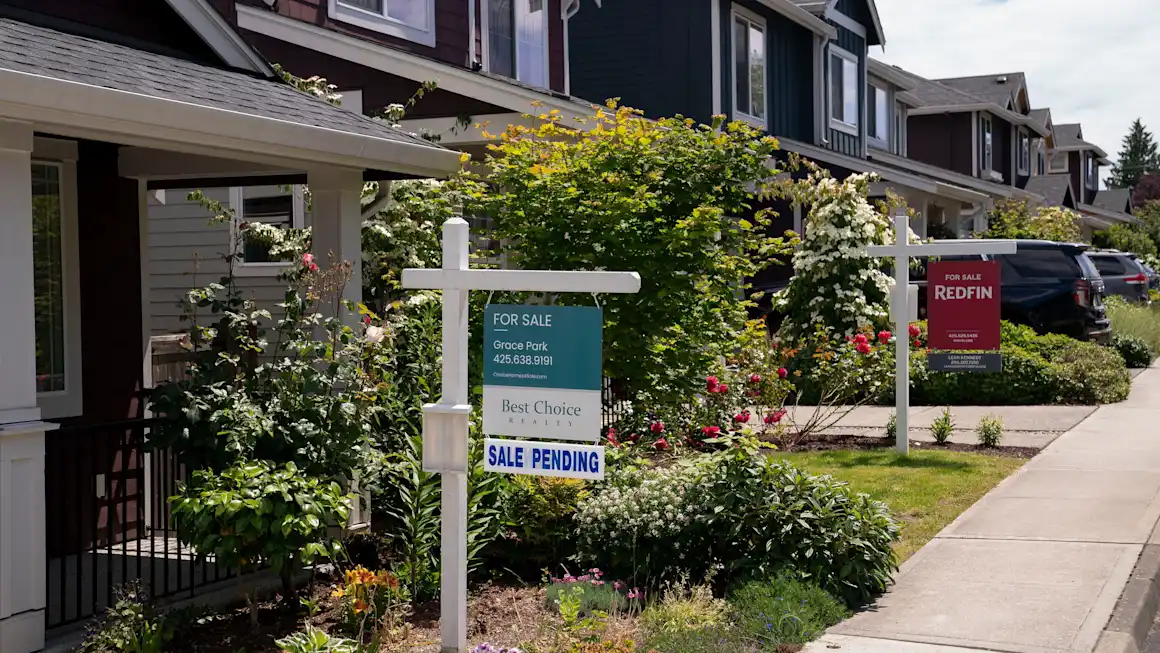
Historic Decline in Sales Activity
The United States housing market is experiencing a severe downturn, with existing home sales falling to their lowest level since 2010. This sharp decline marks a significant shift in the real estate landscape, highlighting the profound impact of macroeconomic pressures on residential transactions. The data indicates that the housing sector is no longer insulated from the broader economic headwinds that have characterized the current financial environment, signaling a potential long-term adjustment in market dynamics.
According to recent reports, the slump in sales is directly correlated with the rapid ascent of mortgage interest rates. Higher borrowing costs have effectively priced many potential buyers out of the market, leading to a substantial reduction in transaction volumes. This trend underscores the sensitivity of the housing market to monetary policy changes, as elevated rates reduce purchasing power and dampen consumer confidence in making large, long-term financial commitments.
Interest Rates Weigh on Transactions
The surge in mortgage rates has become the primary driver behind the deepening housing market slump. As the Federal Reserve and other central banks have moved to combat inflation, borrowing costs for homebuyers have climbed to levels not seen in over two decades. This increase has created a barrier to entry for first-time buyers and has also discouraged existing homeowners from listing their properties, fearing they would lose the low-interest rates attached to their current mortgages.
The consequence of this dynamic is a dual squeeze on the market: demand has weakened significantly due to affordability concerns, while supply remains tight as homeowners hold onto their existing loans. This imbalance has led to a stagnation in sales activity, with the number of closed transactions dropping to levels comparable to the aftermath of the 2008 financial crisis. The market is now characterized by a cautious sentiment, with buyers waiting for rates to stabilize and sellers reluctant to move in an uncertain environment.
Industry analysts note that the current slump is not merely a cyclical adjustment but a structural response to the new interest rate environment. The correlation between mortgage rates and home sales is well-documented, and the current data suggests that the market is fully pricing in the impact of higher costs. This has led to a recalibration of home values in many regions, as sellers adjust their expectations to reflect the reduced purchasing power of buyers.
Market Implications and Future Outlook
The fall in home sales to a 14-year low has broader implications for the US economy. The housing market is a key driver of economic growth, influencing everything from construction activity to consumer spending on home-related goods and services. A prolonged slump in sales could lead to a slowdown in these related sectors, potentially impacting employment and income levels in the construction and real estate industries.
Furthermore, the decline in sales activity may affect wealth effects for homeowners. As home values stagnate or decline in some areas, the perceived wealth of homeowners may decrease, which could lead to reduced consumer spending. This chain reaction highlights the interconnectedness of the housing market and the broader economy, suggesting that the slump in sales could have ripple effects across multiple sectors.
Looking ahead, the trajectory of the housing market will depend largely on the path of mortgage rates. If rates remain elevated, the slump in sales is likely to persist, keeping the market in a state of low activity. Conversely, any easing in borrowing costs could provide a boost to demand, although the recovery may be gradual as the market adjusts to the new normal of higher interest rates. Experts suggest that the market will remain sensitive to economic data and central bank policies in the coming months, with buyers and sellers closely monitoring these factors for signs of stabilization.
Key takeaways
- US existing home sales have dropped to their lowest level since 2010, marking a historic decline in transaction activity.
- The primary driver of this slump is the surge in mortgage interest rates, which has significantly increased borrowing costs for buyers.
- High interest rates have created a dual challenge of weakened demand and constrained supply, as homeowners hesitate to sell and lose their existing low rates.
- The housing market slump has broader economic implications, potentially affecting construction, consumer spending, and wealth effects for homeowners.
- The future trajectory of the market remains highly sensitive to the path of mortgage rates and central bank policy decisions.





