Authorization of Major Defense Sale
The United States government has officially approved a significant foreign military sale valued at $2.1 billion. This transaction involves the provision of Patriot interceptor missiles to Ukraine, a critical component of the Ukrainian military's air defense infrastructure. The approval marks a substantial commitment of defensive capabilities to the nation engaged in ongoing conflict with Russia. The sale underscores the continued, albeit complex, nature of US security assistance to Kyiv despite emerging political friction between the two nations.
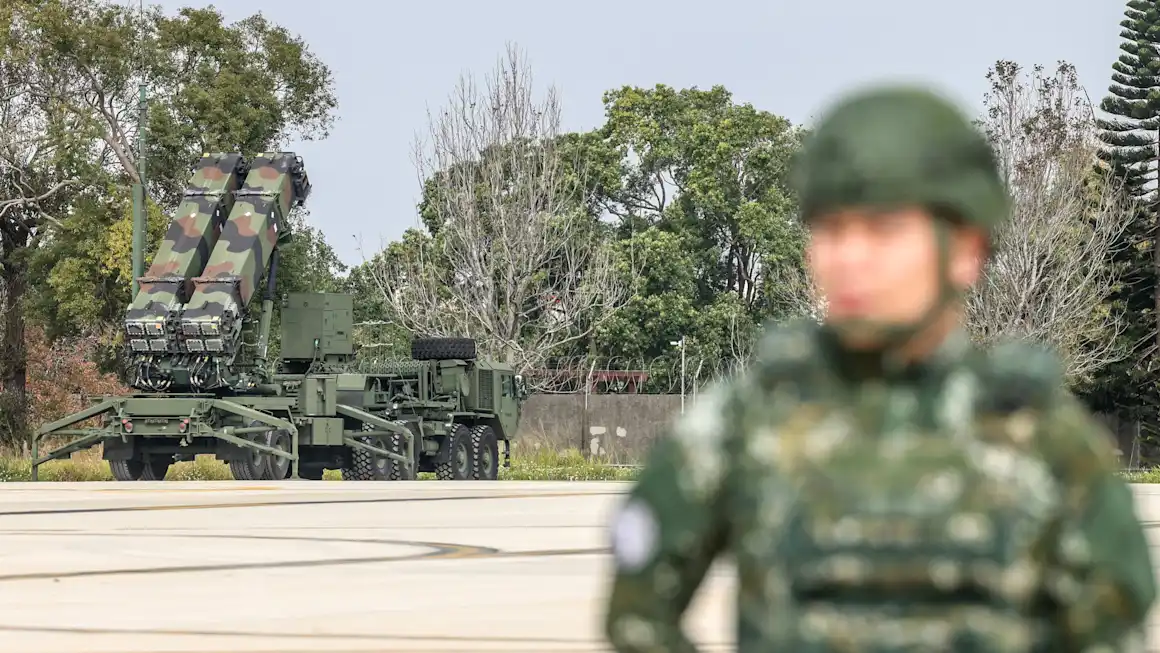
The Patriot missile system is a sophisticated area air defense system originally designed to replace the Nike Hercules missile. It is capable of engaging and destroying tactical ballistic missiles, aircraft, and drones. The inclusion of interceptor missiles in this specific authorization highlights the urgency of replenishing Ukraine's stockpiles, which have faced heavy consumption rates during intense aerial bombardments by Russian forces. This sale represents one of the largest individual transactions for Patriot components in the current conflict cycle.
Diplomatic Strains and Delivery Delays
This approval occurs against a backdrop of strained diplomatic relations between Ukraine and the Trump administration. Volodymyr Zelenskyy, the President of Ukraine, has publicly accused the Trump administration of delaying the delivery of weapons. These accusations suggest a breakdown in the previously smooth coordination of military aid, which has been a cornerstone of Western support for Ukraine since the full-scale invasion began.
The deterioration in relations indicates potential shifts in the political landscape regarding US foreign policy. The Trump administration's approach to foreign aid has often been characterized by a focus on transactional diplomacy and skepticism towards prolonged military engagements. Zelenskyy's public complaints highlight the anxiety within Kyiv regarding the reliability of future support. The timing of this $2.1 billion approval, following these public disputes, suggests an effort to maintain strategic commitments despite political disagreements.
Observers note that the delay accusations are not merely rhetorical but point to logistical and bureaucratic hurdles. The US defense industrial base has faced challenges in ramping up production to meet the demand for ammunition and missile components. These supply chain constraints have led to longer lead times for many defense systems, including the Patriot interceptors. The administration's delay, as alleged by Zelenskyy, may be a result of these production realities rather than a deliberate withholding of support, though the perception remains negative in Kyiv.
Implications for Regional Security
The authorization of this sale has immediate implications for the air defense capabilities of Ukraine. The Patriot system is one of the few effective means available to the Ukrainian military to protect critical infrastructure, population centers, and military assets from high-altitude strikes. Without a steady supply of interceptors, the vulnerability of these targets increases significantly. The $2.1 billion figure reflects the high cost of maintaining such advanced technological defenses in a high-intensity conflict zone.
Furthermore, this sale signals to Russia that the United States remains committed to supporting Ukraine's sovereignty, even amidst political transitions in Washington. It serves as a deterrent against further escalation, although the effectiveness of such deterrence is subject to interpretation by Moscow. The delivery of these missiles will likely be phased, requiring training for Ukrainian operators and integration with existing air defense networks.
As the conflict continues, the interplay between military necessity and political dynamics will remain a central theme. The approval of this sale demonstrates that strategic interests often override diplomatic frictions in the realm of national security. However, the public nature of the disputes between Zelenskyy and the Trump administration suggests that future aid packages may face increased scrutiny and political debate in the United States.
Key takeaways
- The US government has approved a $2.1 billion sale of Patriot interceptor missiles to Ukraine.
- Ukrainian President Volodymyr Zelenskyy has accused the Trump administration of delaying weapons deliveries.
- Relations between the US and Ukraine have reportedly deteriorated over these perceived delays.
- The sale is a significant reinforcement of Ukraine's air defense capabilities against aerial attacks.
- The transaction highlights the tension between strategic military support and political friction between Kyiv and Washington.





