The Rise of Automation in US Manufacturing
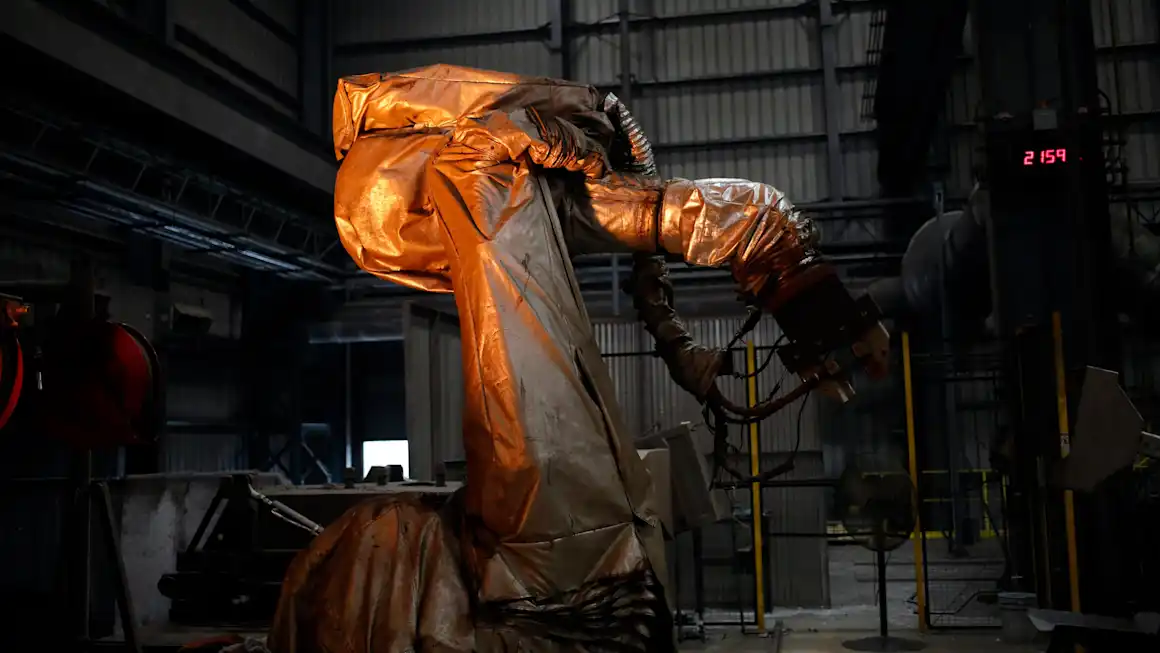
As the United States grapples with a severe and ongoing labor shortage, a growing number of American companies are turning to automation as a primary solution. The manufacturing sector, which has been particularly hard hit by the inability to fill open positions, is increasingly relying on robots and advanced technological systems to maintain production levels. This shift represents a significant structural change in how domestic industries approach workforce management, moving away from traditional labor-heavy models toward more capital-intensive, automated operations.
The drive toward automation is not merely a trend but a necessity for many firms facing operational bottlenecks. With an insufficient pool of available workers, businesses are finding that they cannot rely on hiring to expand or even sustain current output. Consequently, the deployment of robotic arms, automated guided vehicles, and smart manufacturing systems has accelerated. These technologies are being integrated into assembly lines and logistics operations to compensate for the missing human workforce, ensuring that production targets are met despite the constrained labor market.
Competitiveness Concerns and Implementation Speed
Despite the increased investment in automation, there is a prevailing sentiment among industry observers that the speed of this technological adoption is still not fast enough. Critics and analysts suggest that the current pace of implementation fails to adequately address the scale of the labor deficit, potentially leaving the country at a disadvantage in the global marketplace. The concern is that without a more rapid and comprehensive integration of automation, US manufacturers may struggle to remain internationally competitive against rivals in nations with different labor dynamics or more advanced automated infrastructures.
The manufacturing sector is currently struggling under the weight of these operational challenges. The combination of high demand for goods and a limited supply of workers has created a perfect storm that requires immediate and effective solutions. While automation offers a pathway to stability, the transition period presents significant hurdles. Companies must navigate the high costs of implementation, the technical complexities of integration, and the need for workforce reskilling, all while trying to maintain efficiency and output levels.
The debate over the adequacy of automation speeds highlights a broader economic tension. On one hand, there is a strong push to modernize industries and reduce dependency on fluctuating labor markets. On the other hand, there is the reality that technological solutions take time to deploy and scale. This lag time means that many companies continue to face operational constraints, affecting their ability to respond quickly to market changes and compete on a global scale. The industry is caught between the urgent need for labor and the slower reality of technological adoption.
Implications for the Future Workforce
The increasing reliance on robots and automation is likely to have lasting implications for the US workforce. As machines take over more routine and physically demanding tasks, the nature of work in the manufacturing sector will continue to evolve. This shift requires a different set of skills from employees, focusing more on technical proficiency, system monitoring, and maintenance rather than manual labor. The challenge for policymakers and industry leaders will be to manage this transition in a way that minimizes displacement and maximizes the potential for new job categories.
Furthermore, the success of this automated future will depend on how well companies can balance technological investment with human capital development. While robots can fill gaps in the labor force, they cannot entirely replace the need for a skilled human workforce to manage, program, and oversee these systems. The focus is shifting toward creating a hybrid model where technology and human workers collaborate to enhance productivity and efficiency.
As the labor shortage persists, the pressure on manufacturers to innovate and adapt will only intensify. The decisions made in the coming months regarding automation strategies will shape the competitive landscape of the US manufacturing sector for years to come. Companies that successfully integrate these technologies while maintaining operational flexibility will be better positioned to navigate the challenges of the current economic environment.
Key takeaways
- US companies are increasingly deploying robots to address severe labor shortages in the manufacturing sector.
- The manufacturing industry is struggling to maintain competitiveness due to an inability to fill open positions.
- Critics argue that the current speed of automation adoption is insufficient for international competitiveness.
- The shift toward automation represents a structural change in workforce management for domestic industries.
- The transition to automated systems involves significant costs and technical complexities for businesses.





