Strategic Alignment on Technology Security
The United States, in coordination with its closest allies, has successfully negotiated and signed a pivotal accord designed to protect the integrity of artificial intelligence supply chains. This agreement represents a significant escalation in the ongoing geopolitical competition between Western nations and China regarding technological supremacy. The pact establishes a unified front to mitigate risks associated with foreign dependencies, specifically targeting the vulnerabilities that could be exploited by the Chinese government or state-linked entities.
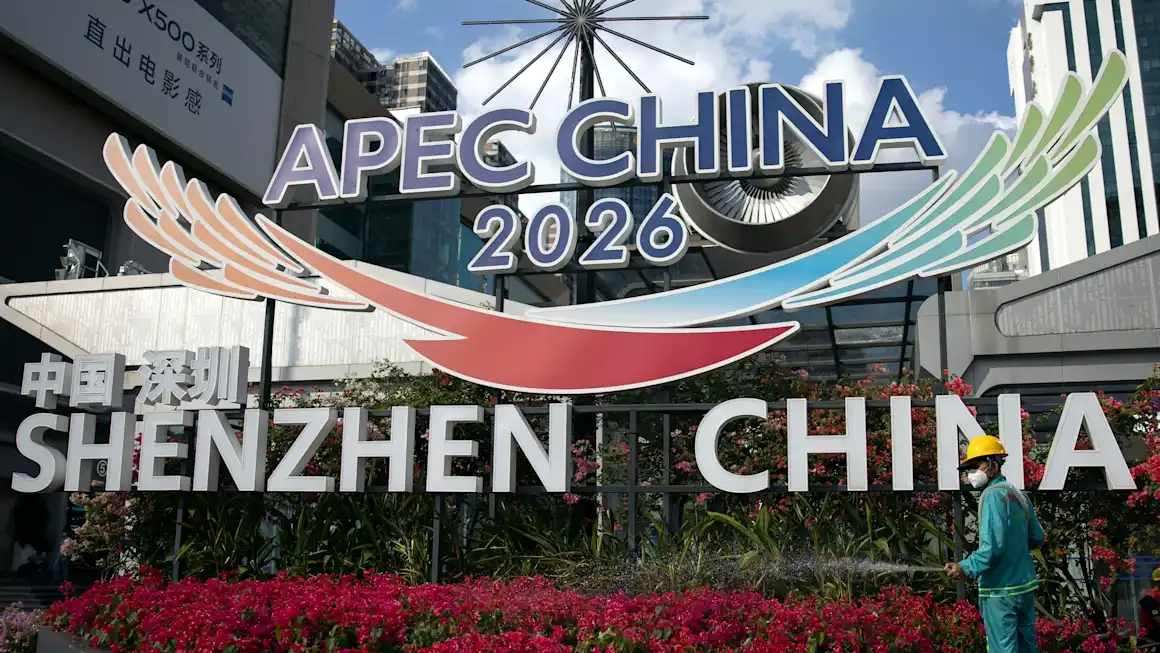
The timing of this diplomatic achievement is highly strategic. The signing of the accord serves as a prelude to a major bilateral meeting between Donald Trump and Chinese leader Xi Jinping. This summit is scheduled to take place at the Asia-Pacific Economic Cooperation (APEC) forum in Shenzhen, China. The convergence of these two events underscores the central role that AI governance and supply chain security will play in the upcoming discussions between the two world leaders.
Focus on APEC and Shenzhen
The choice of Shenzhen as the venue for the Trump-Xi meeting adds a layer of symbolic weight to the negotiations. Shenzhen is widely recognized as a global hub for electronics manufacturing and technological innovation, often referred to as the "hardware capital of the world." By holding the summit in this city, the host nation highlights its own capabilities in the very sector where the new US-led accord seeks to reduce dependency. The location itself serves as a backdrop for the intense scrutiny of supply chain transparency and security protocols.
The APEC forum provides a multilateral context for these bilateral tensions. While the US and its allies are moving forward with a closed-door agreement on supply chain protection, the broader forum aims to discuss economic cooperation across the Pacific. The juxtaposition of the new security pact with the open economic dialogue of APEC illustrates the complex dual nature of US-China relations: characterized by both fierce competition in strategic sectors and the necessity of maintaining broader economic ties.
Implications for Global Tech Markets
The accord signals a shift from fragmented national policies to a coordinated multinational strategy. By aligning their approaches, the US and its allies aim to create a more resilient and secure environment for the development and deployment of AI technologies. This collective action is intended to prevent the monopolization of critical supply chain nodes by any single foreign power, thereby ensuring that technological advancements remain accessible and secure within the Western sphere of influence.
Industry stakeholders are closely monitoring the developments in Shenzhen. The outcome of the Trump-Xi meeting could have far-reaching consequences for global tech markets, influencing everything from semiconductor trade regulations to data sovereignty laws. Companies operating within the AI sector may face new compliance requirements or supply chain audits as a result of the newly signed accord. The agreement effectively raises the stakes for any future negotiations, making supply chain security a non-negotiable element of the broader diplomatic agenda.
Key takeaways
- The US and its allies have signed a new accord to protect AI supply chains from Chinese influence.
- The agreement precedes a meeting between Donald Trump and Xi Jinping at the APEC forum.
- The summit between the two leaders will be held in Shenzhen, a major center for electronics manufacturing.
- The pact represents a coordinated effort to reduce technological dependencies and enhance security.
- Industry observers anticipate significant implications for global tech markets and trade regulations following the summit.





