A Political Stance on Sovereignty
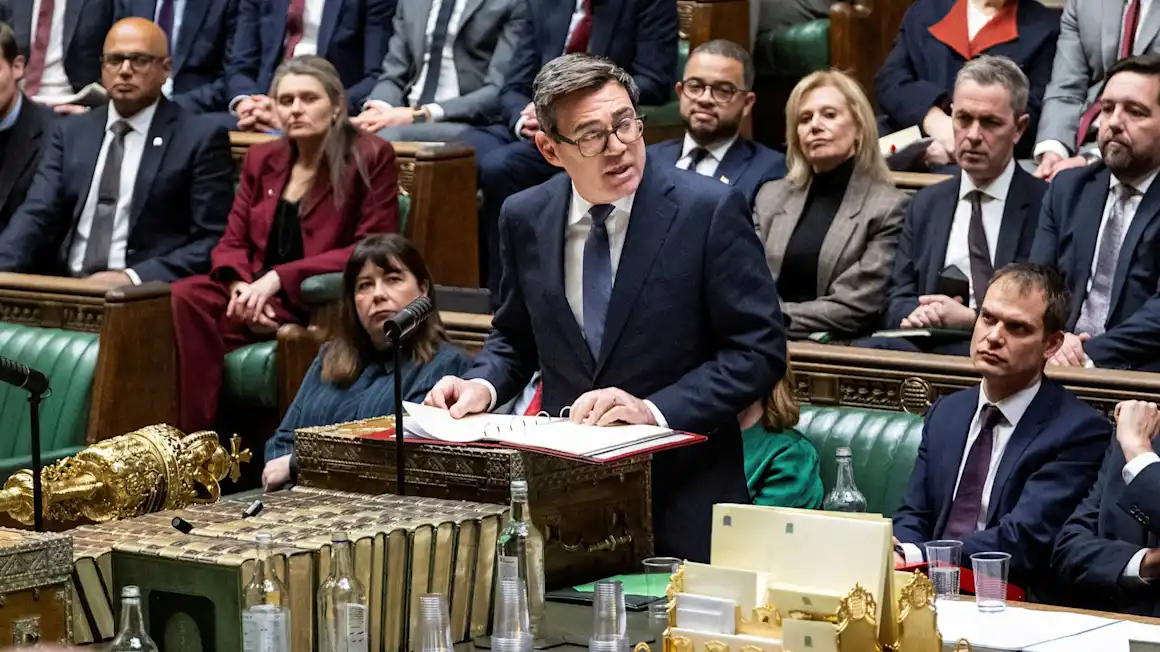
Andy Burnham, the Mayor of Greater Manchester, has issued a stark warning regarding the potential future of the United Kingdom's relationship with the European Union. In a statement that underscores the complex political landscape surrounding Brexit, Burnham asserted that it would be "unthinkable" for Britain to rejoin the EU without first holding a referendum. This declaration highlights the enduring sensitivity of the issue among political leaders who were active during the initial withdrawal process and emphasizes the demand for direct democratic input on such a significant geopolitical shift.
Burnham's comments reflect a broader sentiment within certain political factions that any reversal of Brexit must be legitimized by the electorate. The insistence on a second vote suggests that the political establishment recognizes the depth of division left by the 2016 referendum. For those advocating for closer ties with Europe, the path forward is not merely about renegotiating trade deals but also about addressing the democratic deficit that critics argue exists when major constitutional changes are made without public consent.
The Prime Minister's Position
In contrast to the definitive stance taken by Burnham, the Prime Minister has stated that he does not hold a "fixed opinion" regarding the UK's future relationship with the European bloc. This ambiguity in the government's top position creates a notable contrast with the clear red lines drawn by regional leaders and other political figures. The Prime Minister's refusal to commit to a specific long-term strategy indicates a period of strategic uncertainty, where the government may be weighing various economic and political factors before defining its final approach to Brussels.
This lack of a fixed opinion allows the government flexibility in negotiations but also leaves the country in a state of limbo regarding its long-term international alignment. Political analysts suggest that this position may be a tactical move to keep all options on the table, including closer integration with European markets or a more distant, sovereign-focused trade relationship. However, it also risks alienating voters who desire clarity and direction from their leadership on such a fundamental aspect of national identity and economic policy.
Implications for Future Policy
The divergent views between the Mayor of the North and the Prime Minister illustrate the fractured nature of the current political discourse on Europe. While Burnham calls for a democratic mandate to reverse Brexit, the government remains non-committal. This disparity could lead to increased pressure on the Prime Minister to define a clearer stance as economic conditions evolve and as the realities of post-Brexit trade continue to shape the national agenda. The debate over rejoining the EU or maintaining a close partnership is likely to remain a central theme in upcoming political discussions, with significant implications for trade, regulation, and diplomatic relations.
As the UK navigates its new position in the global economy, the question of whether to seek reintegration with the EU or forge an independent path will continue to dominate political headlines. The demand for a referendum, as voiced by Burnham, serves as a reminder that the public's role in determining the country's future remains paramount. Any move towards rejoining the EU without such a vote would likely face intense legal and political challenges, potentially destabilizing the current political order.
Key takeaways
- Andy Burnham, Mayor of Greater Manchester, stated that it is "unthinkable" for Britain to rejoin the EU without a referendum.
- The Prime Minister insists he does not have a "fixed opinion" about the UK's future relationship with the European bloc.
- Burnham's comments highlight the ongoing political divide over the legitimacy of reversing Brexit outcomes.
- The government's non-committal stance contrasts with calls for a second public vote on EU membership.
- The situation underscores the complexity of defining the UK's long-term economic and political alignment.





