A Historic Legal Precedent Established
The International Court of Justice (ICJ) in The Hague has delivered a landmark verdict, ruling that Myanmar committed genocide against the Rohingya Muslim minority. This decision represents the first time the world's highest court has issued such a finding against a sovereign state regarding the persecution of a specific group. The ruling carries significant weight in international law, potentially setting a new standard for how states are held accountable for mass atrocities and ethnic cleansing campaigns.
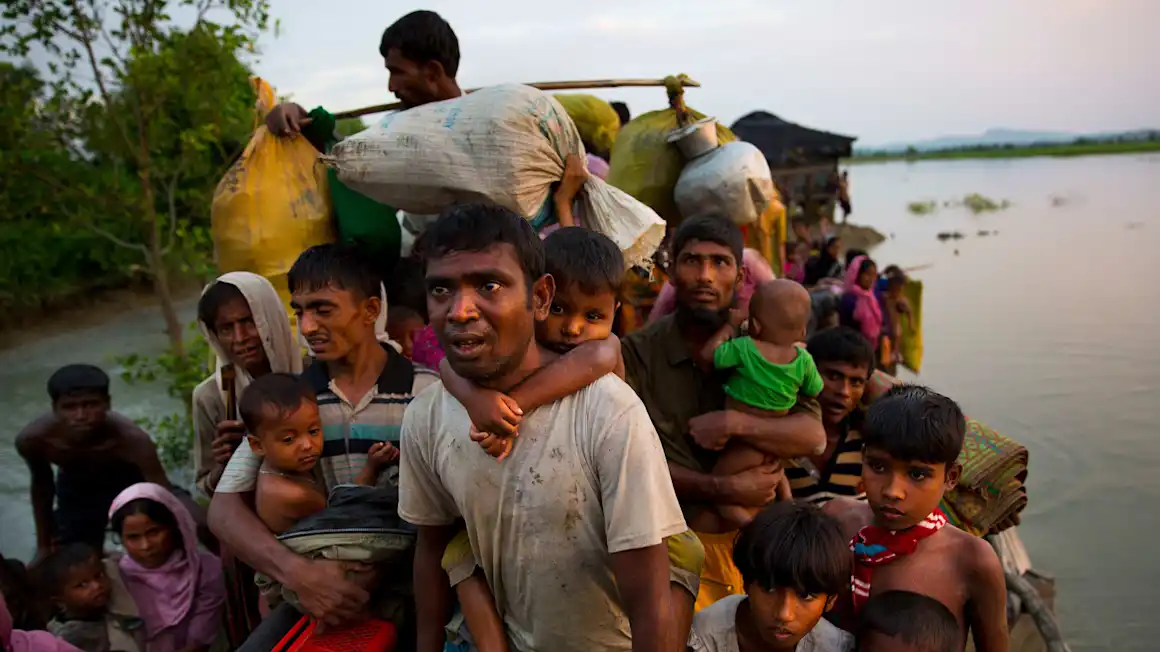
The judgment addresses the systematic persecution faced by the Rohingya people, a stateless Muslim minority from western Myanmar. For decades, the community has faced severe discrimination, but the situation escalated dramatically in 2017 when a military crackdown forced hundreds of thousands of Rohingya to flee to neighboring Bangladesh. The ICJ's ruling confirms that the actions taken by Myanmar's military and government structures amounted to genocide, a classification that carries profound legal and moral implications for the nation and the international community.
Provisional Measures and Ongoing Obligations
The court's decision is rooted in previous provisional measures ordered in January 2019, which required Myanmar to take all necessary steps to prevent acts of genocide. The current ruling validates that the state failed to meet these obligations. The ICJ emphasized that the genocide committed by Myanmar is not a historical event but an ongoing situation. The court has mandated that Myanmar must take immediate and effective measures to ensure that its military, government agencies, and any entities under its control do not commit further genocidal acts.
Furthermore, the judgment obligates Myanmar to preserve evidence related to the alleged genocidal acts. This requirement is crucial for future legal proceedings and historical record-keeping. The court has stressed the importance of accountability, noting that the failure to prevent genocide undermines the fundamental principles of international law. The ruling serves as a formal condemnation of the state's actions and reinforces the duty of nations to protect vulnerable populations from mass violence.
Implications for International Justice
This verdict is particularly notable as it is the first instance where the ICJ has explicitly found a state guilty of genocide. Previously, the court had issued rulings related to genocide, such as the case involving Bosnia and Serbia, but had not previously applied the label directly to a state's actions in such a definitive manner. Legal experts suggest this could embolden other victims of persecution to seek redress through international courts, although the practical enforcement of such rulings remains a complex challenge.
The ruling does not directly impose criminal penalties on individuals but places the burden of compliance on the Myanmar state. The international community, particularly through the UN General Assembly and Security Council, is now expected to consider further actions based on this judicial finding. While the ICJ cannot enforce its judgments directly, the moral and diplomatic pressure on Myanmar is expected to intensify significantly. The decision also highlights the limitations of international law in preventing atrocities in real-time, as the genocide occurred over several years before the court could intervene.
The Rohingya crisis has drawn global attention due to the scale of displacement and the severity of the human rights abuses. With over 700,000 Rohingya refugees living in camps in Bangladesh, the ICJ's ruling adds a critical legal dimension to the humanitarian emergency. It underscores the need for sustained international engagement to ensure the safety, dignity, and potential return of the displaced population. The judgment serves as a stark reminder of the consequences of state-sponsored persecution and the enduring role of international judicial bodies in upholding human rights.
Key takeaways
- The International Court of Justice has ruled that Myanmar committed genocide against the Rohingya Muslim minority.
- This is the first time the ICJ has issued a verdict declaring a state guilty of genocide.
- Myanmar is ordered to prevent further genocidal acts and preserve evidence of past crimes.
- The court confirmed that the genocide is an ongoing situation requiring immediate state action.
- The ruling reinforces the legal obligations of states to protect populations from mass atrocities.





