A Strategic Counter-Narrative
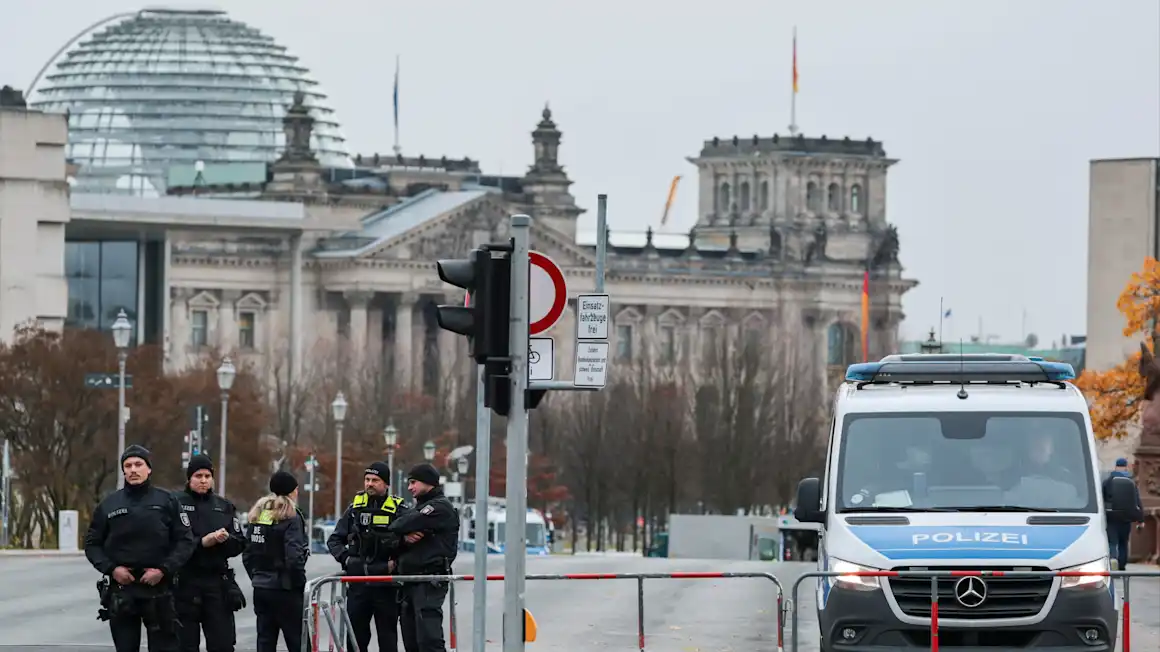
In a significant diplomatic maneuver aimed at reinforcing Western unity, Germany has hosted a gathering of 40 international delegations in Berlin. This assembly serves as a deliberate counterpoint to concurrent high-level talks taking place in Shenzhen, China, where leaders from Russia, China, and the United States are engaged in discussions. The Berlin meeting is framed by officials as a necessary show of solidarity for Kyiv, highlighting the geopolitical tensions that continue to shape international relations in the current climate.
The choice of venue and timing is highly symbolic. By convening in Berlin, Western allies are attempting to project a united front against what some analysts describe as the optics of a 'Yalta 2.0' scenario. This term references the 1945 conference that divided post-war Europe, suggesting fears that major powers may be moving toward a new era of spheres of influence and negotiated settlements that could marginalize smaller nations like Ukraine. The presence of 40 delegations underscores the breadth of the coalition supporting Kyiv's sovereignty.
While the Western bloc consolidates its position in Germany, a separate but parallel diplomatic track is unfolding in Shenzhen. Leaders from Russia, China, and the United States are meeting in this Chinese tech hub, a location that signals the growing economic and technological integration between Beijing and Moscow. The juxtaposition of these two events highlights a fractured global landscape where major powers are engaging in bilateral or trilateral negotiations that may not include the voices of European allies or the Ukrainian government.
The 'Yalta 2.0' concern is not merely rhetorical. Diplomatic observers worry that discussions in Shenzhen could lead to agreements that prioritize great power stability over the territorial integrity and political independence of Ukraine. The Berlin summit is therefore positioned as a defensive diplomatic measure, intended to reaffirm commitments to international law and the existing security architecture in Europe. It serves as a reminder to Moscow and Beijing that the Western alliance remains cohesive and committed to supporting Kyiv.
Geopolitical Implications and Future Outlook
The convergence of these diplomatic efforts creates a complex backdrop for the ongoing conflict. The 40 delegations in Berlin represent a wide array of political and economic interests, all aligned in their public support for Ukraine. This collective presence is designed to demonstrate that the war in Ukraine is not a regional issue but a central front in a broader struggle over the rules-based international order. The scale of participation suggests that many nations view the outcome of this conflict as a precedent for future global conflicts.
Conversely, the meeting in Shenzhen represents a different diplomatic approach, one that emphasizes strategic dialogue between the world's largest economies. The involvement of the US, Russia, and China in a single forum suggests an acknowledgment that these three nations hold the keys to global stability. However, the lack of Ukrainian or European representation in the Shenzhen talks raises questions about the inclusivity and legitimacy of any outcomes that may emerge from those discussions.
As these parallel diplomatic tracks proceed, the international community is watching closely to see if the rhetoric of solidarity in Berlin translates into tangible policy actions. The hope among Western policymakers is that the show of force in Berlin will deter any attempts to isolate Ukraine or force it into unfavorable negotiations. Meanwhile, the discussions in Shenzhen are likely to focus on broader economic and security issues, potentially sidelining the specific concerns of the Ukrainian conflict.
The long-term implications of these events will depend on the outcomes of both meetings. If the Shenzhen talks result in significant agreements between Russia, China, and the US, it could shift the global balance of power. If the Berlin summit leads to strengthened sanctions, increased military aid, or deeper political integration among Western allies, it could reinforce the current trajectory of support for Ukraine. The interplay between these two diplomatic initiatives will be a key determinant of the geopolitical landscape in the coming months.
Key takeaways
- Germany hosted 40 international delegations in Berlin to demonstrate solidarity with Kyiv.
- The summit was timed to counter the diplomatic optics of meetings between Russia, China, and US leaders in Shenzhen.
- Western officials are using the gathering to push back against perceptions of a 'Yalta 2.0' division of influence.
- Leaders from Russia, China, and the United States are concurrently meeting in Shenzhen to discuss bilateral relations.
- The divergent locations highlight a fractured global diplomatic environment with competing centers of gravity.





