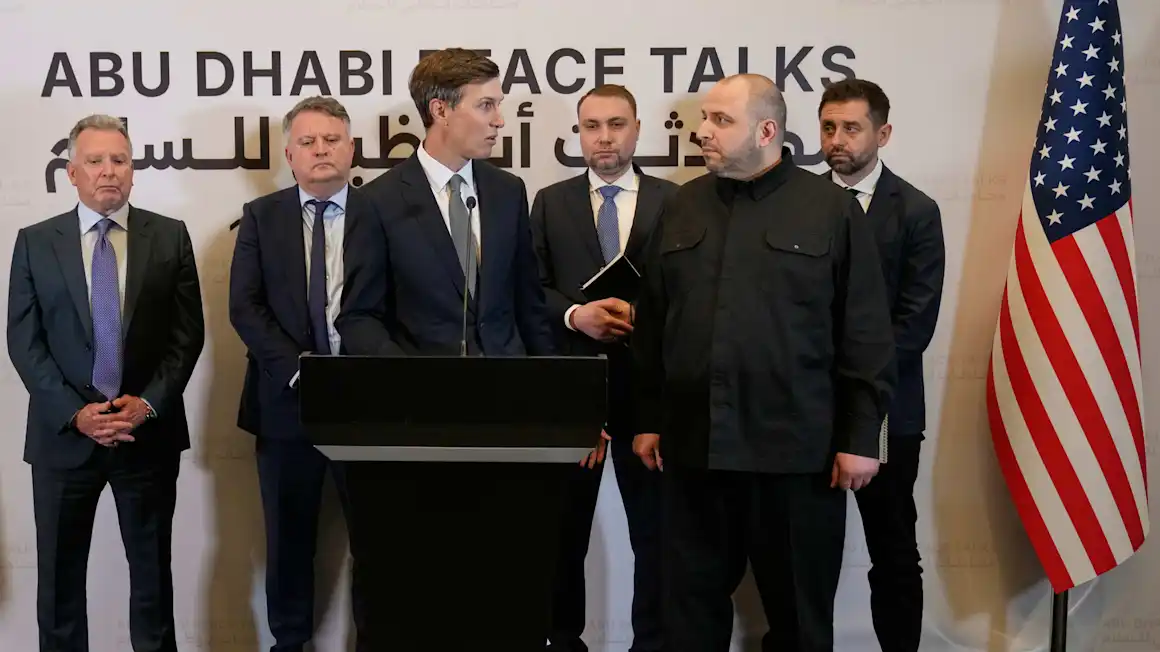
Resumption of High-Level Diplomacy
High-stakes diplomatic talks involving the United States, Russia, and Ukraine have concluded in Abu Dhabi, marking a significant but cautious step in international mediation efforts. The negotiations, which took place in the UAE capital, represent the first major interaction between the three key parties in approximately nine months. The extended hiatus in direct dialogue was largely attributed to the broader geopolitical tensions and military involvement stemming from the war in Iran, which had complicated diplomatic channels and shifted global strategic priorities.
The choice of Abu Dhabi as the venue underscores the United Arab Emirates' growing role as a neutral intermediary in complex international conflicts. The city has increasingly positioned itself as a hub for dialogue between East and West, providing a secure and neutral ground for sensitive discussions that might be politically difficult to host elsewhere. The successful convening of such a high-profile meeting suggests that despite regional instability, diplomatic backchannels remain open and functional.
Prisoner Exchange as a Diplomatic Milestone
While the talks did not result in a ceasefire or a comprehensive peace agreement, a concrete outcome was achieved in the form of a prisoner swap. This exchange serves as a tangible, albeit limited, indicator that cooperation is still possible between the conflicting parties, particularly under the facilitation of international mediators. Prisoner exchanges have historically served as confidence-building measures in protracted conflicts, allowing for the safe return of detained individuals and potentially paving the way for more substantive discussions in the future.
The specific details of the prisoner swap, including the identities of those released and the conditions of their exchange, have been kept under wraps, consistent with standard diplomatic protocols for such sensitive operations. However, the mere fact that the agreement was reached and executed highlights the willingness of all parties to engage in humanitarian and procedural diplomacy, even amidst active hostilities. This development may be viewed by observers as a small but meaningful step toward de-escalation, separating humanitarian concerns from the broader political and territorial disputes.
Stalemate on Core Issues
Despite the prisoner swap, the core issues driving the conflict remain unresolved. The talks ended without a breakthrough in the primary areas of contention, including territorial integrity, security guarantees, and the cessation of military operations. The failure to advance on these fronts reflects the deep-seated mistrust and divergent strategic objectives that have characterized the relationship between the involved nations throughout the conflict. Both sides appear entrenched in their positions, with little indication of compromise in the immediate term.
The lack of a broader agreement suggests that the underlying geopolitical tensions are likely to persist. Analysts note that while prisoner swaps can alleviate some human suffering, they do not address the structural causes of the conflict. The diplomatic process in Abu Dhabi appears to have been more about maintaining lines of communication and managing humanitarian aspects rather than forcing a resolution. This approach may be necessary to prevent further escalation, but it does not signal an end to the hostilities.
Implications for Future Negotiations
The conclusion of the Abu Dhabi talks sets the stage for continued diplomatic engagement, albeit with tempered expectations. The successful prisoner exchange may create a modest framework for future interactions, but the absence of a breakthrough on core issues means that the path to peace remains uncertain. The international community will likely watch closely to see if this initial step leads to more substantive negotiations or if the parties retreat into their respective positions.
Observers emphasize that the resumption of talks after a nine-month gap is significant in itself, demonstrating the resilience of diplomatic channels even in the face of significant external pressures, such as the war in Iran. However, the lack of progress on the main agenda items serves as a reminder of the complexity of the conflict. Future negotiations will likely require sustained international pressure and perhaps new incentives to encourage the parties to move beyond procedural agreements like prisoner swaps and toward meaningful political solutions.
Key takeaways
- US-Russia-Ukraine peace talks concluded in Abu Dhabi after a nine-month hiatus caused by the Iran war.
- The negotiations resulted in a prisoner swap but failed to produce a breakthrough on core conflict issues.
- The UAE served as a neutral venue, highlighting its growing role as a diplomatic intermediary.
- The prisoner exchange acts as a confidence-building measure but does not address the underlying geopolitical tensions.
- Core issues such as territorial integrity and security guarantees remain unresolved, indicating a continued stalemate.





