Unprecedented Attack in Libyan Waters
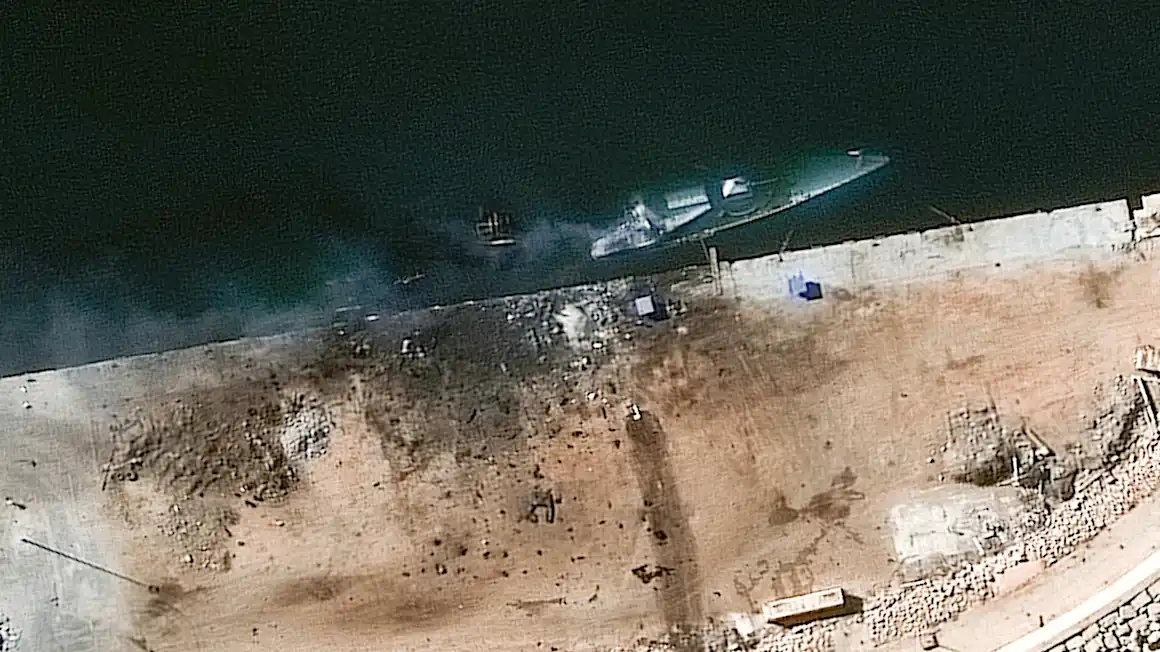
In a significant development in the ongoing geopolitical tensions between Ukraine and Russia, Ukrainian leadership has announced the successful destruction of a Russian warship located in the Libyan port city of Benghazi. The attack, executed using unmanned surface vessels, marks a notable escalation in the reach of Ukrainian military operations, demonstrating the ability to project power far beyond the immediate theaters of the war in Eastern Europe. The incident highlights the expanding scope of asymmetric warfare tactics employed by Kyiv to target Russian assets globally.
President Volodymyr Zelenskyy publicly addressed the operation, characterizing the strike as an 'exemplary' success. His comments underscore the strategic importance Ukraine places on disrupting Russian naval capabilities, even those stationed in third-party nations. By labeling the operation exemplary, Zelenskyy signals to both domestic and international audiences that Ukraine possesses the technological and operational capacity to conduct complex, long-range strikes against high-value targets.
The target of the strike was a Russian warship situated at a naval base in Benghazi, a city on the Mediterranean coast of Libya. The presence of Russian military assets in Libya has been a subject of international scrutiny, with reports indicating that Russia has utilized the country as a logistical hub and a testing ground for military equipment. The destruction of a vessel in this location suggests that Ukrainian intelligence has successfully identified and tracked specific Russian assets within this network.
Implications for Regional Security and Russian Logistics
The use of sea drones in this operation reflects a growing trend in modern naval warfare, where unmanned systems are increasingly used to challenge traditional naval superiority. These drones offer a cost-effective means of delivering explosive payloads to heavily guarded ships, bypassing conventional defense mechanisms. The success of this particular strike may encourage further development and deployment of such technologies by Ukraine against Russian maritime interests.
Libya’s status as a nation with a fragmented political landscape and ongoing instability has made it a focal point for various international powers seeking influence in North Africa. The presence of Russian military infrastructure in Benghazi indicates Moscow’s strategic interest in maintaining a foothold in the region, potentially for oil trade, arms sales, or broader geopolitical leverage. An attack on Russian assets within Libyan territory complicates the security dynamics of the region and raises questions about the safety of international maritime operations in the Mediterranean.
While the immediate physical damage inflicted by the strike is confined to the targeted vessel, the broader implications extend to diplomatic relations and regional security. The incident may strain relations between Russia and Libya, depending on the level of autonomy held by the authorities controlling Benghazi. Furthermore, it serves as a warning to other nations hosting Russian military assets that they may become targets in the broader conflict, potentially forcing them to reassess their security protocols and political alignments.
Ukraine’s ability to execute such a precise and remote operation demonstrates advanced intelligence gathering and technical capabilities. The use of sea drones requires sophisticated navigation, communication, and targeting systems, all of which must function reliably over long distances. This achievement not only degrades Russia’s naval resources but also enhances Ukraine’s reputation as a capable innovator in military technology, potentially attracting further support from allies interested in advanced defense solutions.
As the situation develops, international observers will be closely monitoring the response from both Moscow and Tripoli. The Russian government is likely to condemn the attack and may seek to increase security for its remaining assets in the region. Meanwhile, the Libyan authorities will need to address the security breach and the implications of hosting foreign military forces in a volatile environment. The incident adds another layer of complexity to the already intricate web of international relations in North Africa and the Mediterranean.
Key takeaways
- Ukrainian President Volodymyr Zelenskyy confirmed that a sea drone operation destroyed a Russian warship in Benghazi, Libya.
- Zelenskyy described the strike as an 'exemplary' achievement, highlighting Ukraine's long-range military capabilities.
- The attack targets Russian assets in a third-party nation, indicating an expansion of the conflict's geographic scope.
- The use of unmanned surface vessels underscores the growing role of asymmetric warfare in modern naval conflicts.
- The incident raises concerns about the security of Russian military logistics and international maritime stability in the Mediterranean.





