Confrontation Over Judicial Authority
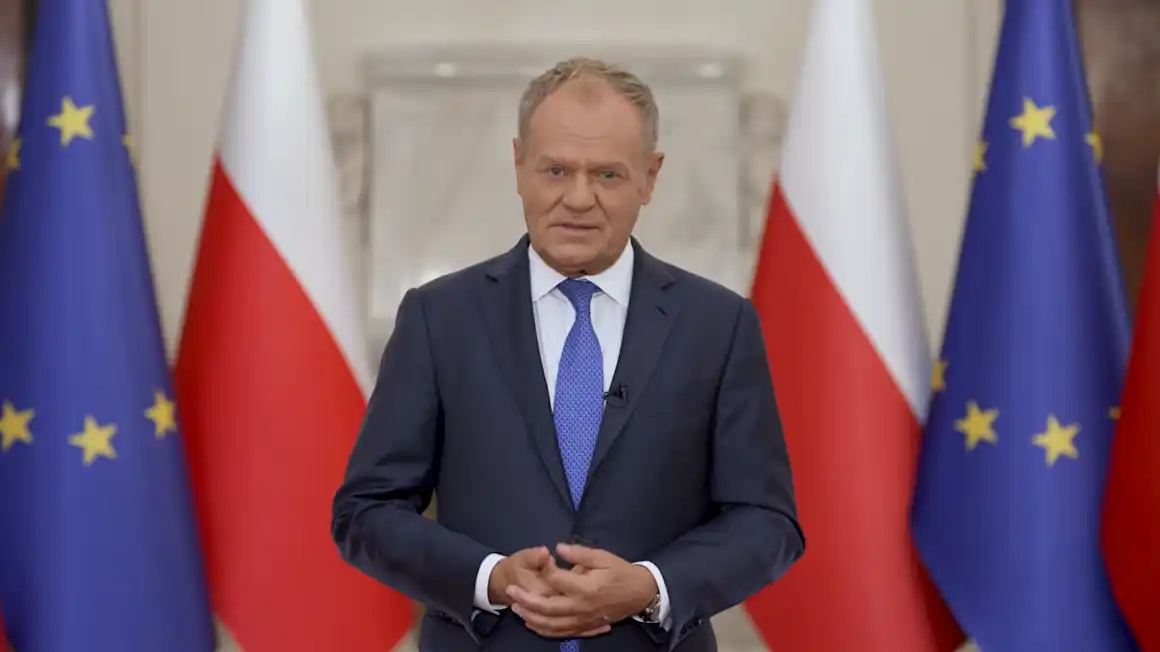
Poland's Prime Minister has issued a firm declaration to press forward with the government's planned overhaul of the nation's judiciary, setting the stage for a significant political standoff. This commitment comes as tensions escalate between the executive branch and the opposition, who have characterized the Prime Minister's recent actions as a staged institutional coup. The core of the controversy centers on the suspension of the president of the constitutional court, a move that has drawn sharp criticism from political rivals and raised questions about the separation of powers within the Polish state.
The suspension of the constitutional court's president represents a critical juncture in the ongoing dispute over judicial independence. By targeting the leadership of the country's highest legal authority, the Prime Minister's administration has signaled a decisive shift in how the judiciary is managed. This action has not been isolated but is part of a broader strategy to restructure the judicial system, which the government argues is necessary for reform and efficiency.
Accusations of Institutional Overreach
Opposition leaders have responded with intense condemnation, accusing the Prime Minister of orchestrating a coup against the constitutional order. They argue that the suspension of the court's president undermines the rule of law and disrupts the balance of power intended by the constitution. The opposition frames the government's actions not as legitimate reform, but as an authoritarian grab for control over the legal framework that checks executive power.
The political fallout has been immediate and severe. The clash has deepened the divide between the ruling party and its opponents, creating a polarized environment where the legitimacy of the government's judicial reforms is fiercely debated. Critics warn that bypassing established constitutional procedures could have long-term implications for Poland's democratic institutions and its standing within international legal frameworks.
The Prime Minister's defense of his position rests on the assertion that the judicial overhaul is essential for modernizing the legal system. Supporters of the government argue that the previous judicial structure was inefficient and that the new measures are required to restore public trust in the courts. However, the method of implementation, particularly the suspension of the court's president, has been widely criticized as overly aggressive and legally questionable.
Implications for Poland's Legal Framework
As the Prime Minister vows to continue with the overhaul, the focus now shifts to how the opposition and the public will respond to these developments. The suspension of the constitutional court's president is likely to remain a flashpoint for legal challenges and political protest. The government's determination to proceed suggests that it is prepared to face significant backlash in order to achieve its legislative goals.
The situation highlights the ongoing tension between democratic governance and executive authority. The actions taken by the Prime Minister have set a precedent that could influence future interactions between the Polish government and its judicial institutions. Observers are closely watching to see whether the constitutional court can maintain its independence or if it will be effectively neutralized by executive decree.
The broader context of this conflict involves debates over the rule of law and judicial independence that have resonated across Europe. The Polish government's approach to judicial reform has drawn attention from international bodies and neighboring countries, who are concerned about the potential erosion of democratic norms. The outcome of this standoff could have significant repercussions for Poland's domestic stability and its relationships with international partners.
Key takeaways
- Poland's Prime Minister has vowed to continue with the judicial overhaul despite intense political pressure.
- The opposition accuses the Prime Minister of staging an institutional coup through the suspension of the constitutional court's president.
- The suspension of the court's president is the central point of contention in the dispute over judicial independence.
- The government argues that the reforms are necessary for efficiency, while critics view them as an attack on the rule of law.
- The standoff highlights broader concerns about the separation of powers in Poland's political system.





