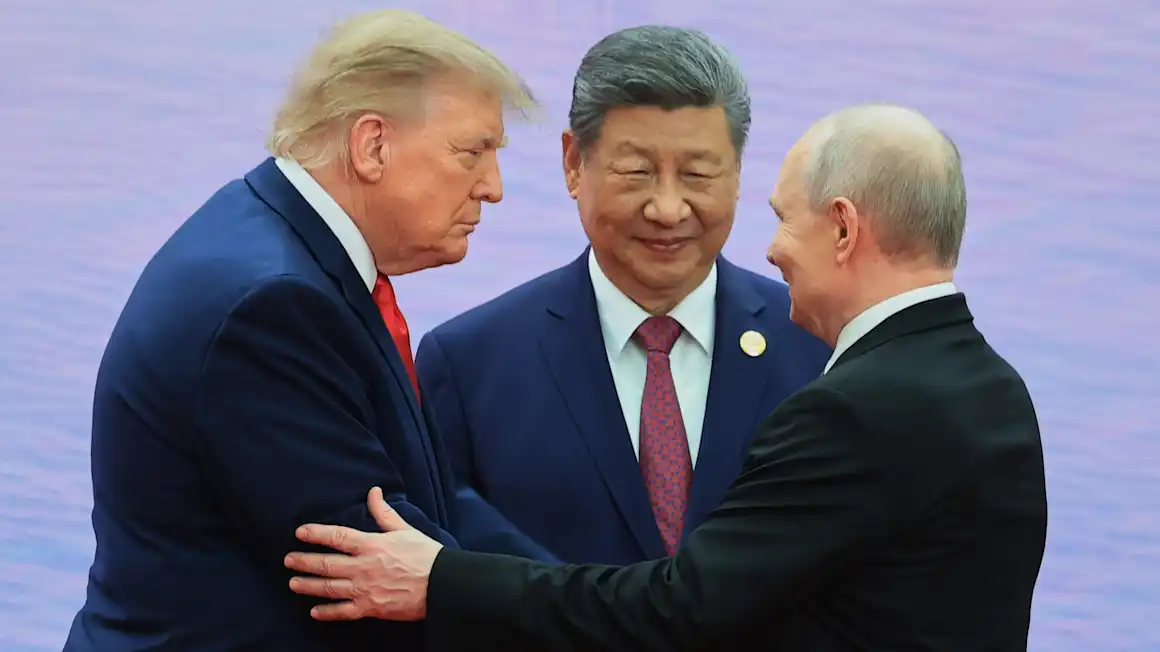
A Historic Diplomatic Gathering
In a move that signals a major shift in global geopolitical dynamics, Donald Trump, Xi Jinping, and Vladimir Putin are scheduled to hold a high-stakes trilateral summit. The meeting is set to take place in the southern Chinese city of Shenzhen, a location chosen for its status as a global technology and innovation hub. This event is being described as historic, representing a rare convergence of the world's most powerful leaders from the United States, China, and Russia in a single forum.
The summit serves as the culmination of a week of high-stakes diplomacy. Throughout the preceding seven days, intense negotiations and preparatory meetings have been underway, laying the groundwork for what analysts view as a critical juncture in international relations. The compressed timeline suggests that the leaders aim to address pressing global issues with urgency, leveraging the momentum generated during the preliminary diplomatic engagements.
Shenzhen, located in Guangdong province, has emerged as a symbol of China's economic rise and technological prowess. Hosting the summit in this city underscores the importance of economic development and innovation in the discussions ahead. The choice of venue highlights the intersection of political power and economic capability, positioning Shenzhen as a central stage for global policy-making. The city's infrastructure and international connectivity provide a suitable backdrop for such a high-profile event.
Implications for Global Stability
The presence of all three leaders in one room marks a significant departure from traditional bilateral engagements. Historically, relations between these nations have often been managed through separate channels, with the United States frequently mediating between China and Russia or addressing them individually. A trilateral format allows for a more direct and comprehensive dialogue, potentially reducing the risk of miscommunication and enabling more nuanced problem-solving on complex issues.
Observers note that the timing of the summit is crucial. With global markets and security architectures facing numerous challenges, the decisions made during these talks could have far-reaching consequences. Issues such as trade policies, military tensions, and climate change agreements are likely on the agenda. The ability of the three nations to find common ground or establish clear frameworks for cooperation will be closely watched by international partners and adversaries alike.
The diplomatic efforts leading up to the summit have been characterized by high stakes. Reports indicate that significant concessions or agreements may be required to facilitate a successful outcome. The week-long period of intense diplomacy suggests that the leaders are seeking to resolve longstanding disputes or establish new norms of engagement. The success of the summit will depend on the willingness of all parties to engage in constructive dialogue and compromise.
As the summit approaches, the global community remains on edge. The potential for breakthrough agreements is high, but so is the risk of deadlock. Historical precedents suggest that trilateral meetings can lead to significant shifts in alliances and policy directions. The outcomes of these talks could redefine the balance of power in the Asia-Pacific region and beyond, influencing economic and security policies for years to come.
What Happens Next
Following the summit, the immediate focus will be on the release of joint statements and any announced agreements. The details of the discussions will be scrutinized by experts and policymakers worldwide. Any commitments made by the leaders will need to be translated into actionable policies, a process that may take months or years to fully materialize. The international community will be looking for concrete steps that demonstrate a genuine commitment to cooperation and stability.
The aftermath of the summit will also see increased media attention and public discourse. The narratives constructed around the event will shape public perception of the leaders and their respective nations. Diplomatic analysts will assess the tone and substance of the interactions, drawing conclusions about the future trajectory of US-China, US-Russia, and China-Russia relations. The summit's legacy will be determined by its ability to produce tangible results that benefit global stability and economic growth.
Key takeaways
- Donald Trump, Xi Jinping, and Vladimir Putin will hold a trilateral summit in Shenzhen, China.
- The event is the culmination of a week of high-stakes diplomatic negotiations.
- Shenzhen was chosen as the venue, highlighting its role as a global technology hub.
- The summit represents a rare convergence of the three world leaders in a single forum.
- Global markets and security architectures are closely watching the potential outcomes.





