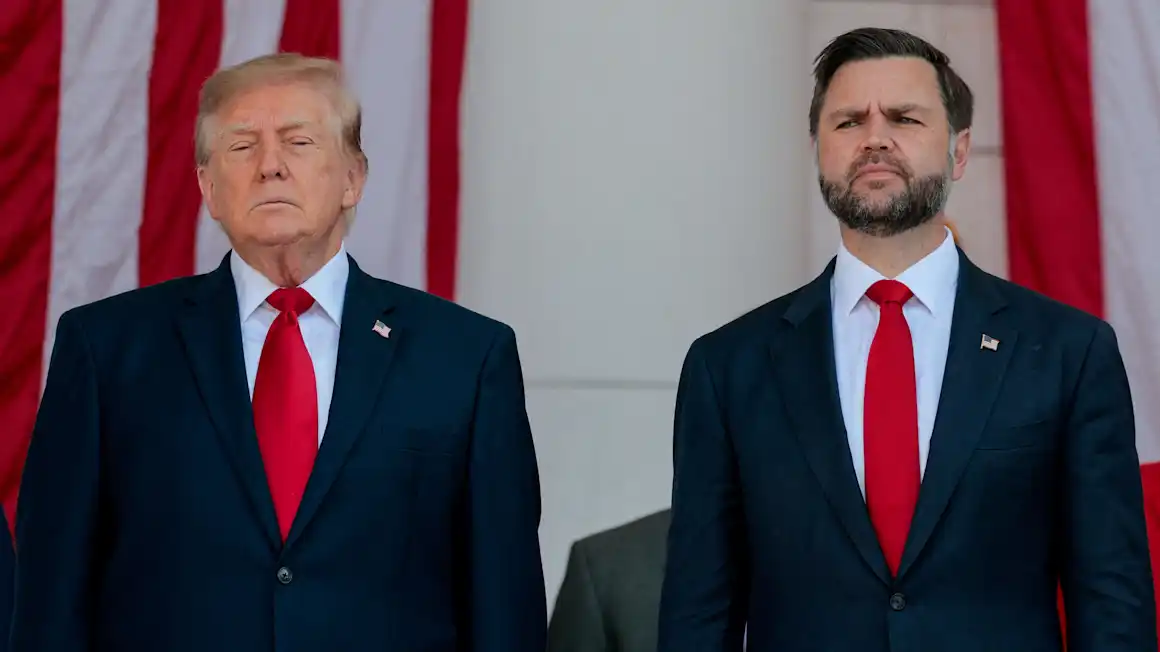
Shift in Diplomatic Strategy
President Trump has issued a clear directive regarding the United States' diplomatic stance on Iran, effectively halting the peace deal push that was being championed by Vice President JD Vance. In a move that underscores a significant pivot in administration priorities, the President stated that the United States does not require an agreement with Tehran. This declaration marks a definitive end to the diplomatic initiatives that Vice President Vance had been leading, suggesting a strategic retreat from multilateral negotiations in favor of a more unilateral or domestically focused approach.
The reversal highlights a growing divergence in policy objectives between the President and the Vice President. While Vice President Vance had been actively engaged in efforts to negotiate a comprehensive peace deal with Iran, President Trump has now made it abundantly clear that such an accord is not a necessity for the United States. This shift suggests that the administration is moving away from the diplomatic engagement model that Vance represented, potentially signaling a harder line on foreign policy or a reassessment of the strategic value of such negotiations.
By stating that the US does not need an agreement with Tehran, President Trump is removing the primary justification for Vance's diplomatic mission. This statement carries significant weight in shaping the administration's foreign policy direction, indicating that the White House is no longer willing to invest political capital or resources into securing a deal with the Islamic Republic. The implication is that the US will proceed with its international engagements, particularly regarding Iran, without the constraint of seeking a mutually agreed-upon peace framework.
Redirecting Vice President's Focus
In conjunction with the rejection of the Iran deal, President Trump has directed Vice President JD Vance to shift his attention away from international diplomacy and toward domestic concerns. This reallocation of the Vice President's duties suggests that the administration views domestic issues as the primary arena for political action and policy development. Vance's previous role in foreign affairs, specifically his push for peace with Iran, is now being replaced by a mandate to address internal challenges facing the nation.
This directive to focus on domestic matters indicates a strategic choice to prioritize internal stability and policy implementation over external diplomatic maneuvering. The Vice President's portfolio is thus being redefined, with an emphasis on home front issues that may include economic policy, regulatory reform, or social initiatives. This shift aligns with a broader political narrative that often prioritizes domestic achievements and responsiveness to local constituents over complex international negotiations.
The implications for Vice President Vance are substantial, as he must now pivot his expertise and public presence from the international stage to domestic policy advocacy. This change in focus may affect his role within the administration and his public perception, as he transitions from a key figure in foreign policy to a leader in domestic affairs. The President's decision effectively removes Vance from the forefront of US-Iran relations, a area where he had been a central figure.
Implications for US-Iran Relations
The termination of the peace deal push by the Trump administration signals a potential escalation or stagnation in US-Iran relations. Without the prospect of a negotiated agreement, tensions may persist or worsen, as diplomatic channels for de-escalation are effectively closed under the current administration's strategy. The absence of a deal does not necessarily mean increased hostility, but it does remove a key mechanism for managing tensions and establishing rules of engagement.
Observers note that the President's stance reflects a broader skepticism toward multilateral agreements and diplomatic concessions. By asserting that the US does not need an agreement, the administration is reinforcing a policy of strength and independence in its foreign relations. This approach may resonate with certain segments of the electorate who prioritize national sovereignty and a non-interventionist stance, but it may also raise concerns among international partners and rivals regarding the stability of US commitments.
Key takeaways
- President Trump has explicitly ended Vice President JD Vance's push for a peace deal with Iran.
- The President stated that the United States does not require an agreement with Tehran.
- JD Vance has been directed to shift his focus from foreign diplomacy to domestic concerns.
- The administration is prioritizing internal policy issues over international negotiations with Iran.
- Vance's role in US foreign policy has been significantly redefined by this directive.





