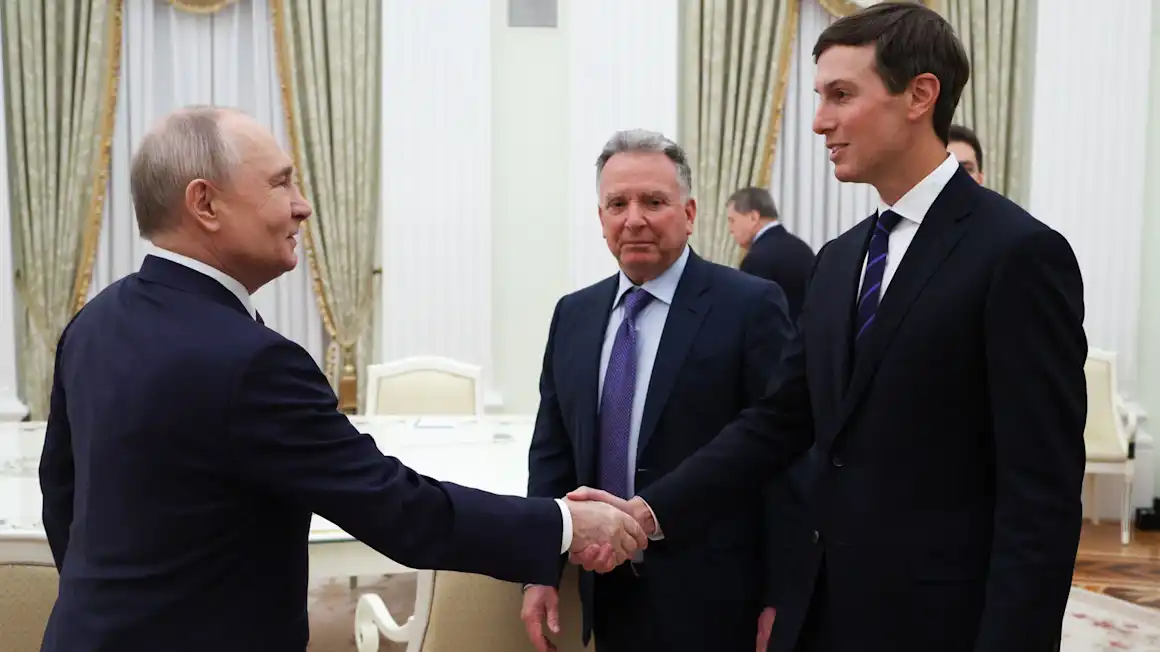
Shift in Strategic Posture
The United States government has made a significant strategic pivot regarding its foreign policy objectives in Eastern Europe, officially shelving plans for future business engagements with Russia. This decision marks a decisive break from previous diplomatic frameworks that occasionally hinted at potential economic normalization following a resolution to the ongoing conflict. By removing the prospect of lucrative commercial opportunities, Washington aims to close off a diplomatic avenue that some analysts believed could have been exploited to encourage negotiations.
According to recent assessments within the administration, the US no longer views economic co-operation as a viable incentive for Russian President Vladimir Putin to end his full-scale invasion of Ukraine. This realization has led to a hardening of the US stance, prioritizing punitive measures and support for Kyiv over the promise of post-war economic integration. The move underscores a broader recognition that financial carrots may not be sufficient to counter the Kremlin's military ambitions or its disregard for international sovereignty.
The shelving of these business deal plans reflects a deeper skepticism regarding the Kremlin's intentions. Previous administrations had occasionally floated the idea that lifting sanctions or offering trade concessions could be part of a peace settlement. However, current intelligence and diplomatic assessments suggest that such incentives might instead be viewed by Moscow as signs of weakness or a lack of resolve, potentially emboldening further aggression rather than curbing it.
Implications for Geopolitical Stability
This policy shift has immediate implications for the geopolitical landscape. By decoupling the possibility of future economic rewards from the cessation of hostilities, the US is aligning itself more closely with European allies who have maintained strict sanctions regimes. The message to Moscow is clear: the path to economic restoration is contingent upon a complete withdrawal from occupied territories and a genuine commitment to peace, rather than vague promises of future cooperation.
The decision also impacts the broader narrative of post-war reconstruction. Historically, Western investors and corporations have looked forward to re-entering Russian markets once stability returns. With the US now explicitly ruling out business deals as a bargaining chip, the burden of proof falls squarely on the Russian government to demonstrate a change in behavior before any economic ties can be reconsidered. This approach aims to prevent the scenario where military gains are rewarded with economic access.
Furthermore, this stance serves as a deterrent against third-party actors who might seek to fill the vacuum left by Western disengagement. By maintaining a unified front that excludes economic incentives as a negotiation tool, the US hopes to preserve international cohesion. It signals that the cost of the invasion will remain high and that the promise of normal economic relations is not on the table for the foreseeable future.
The administration's position also highlights the complexity of sanctions enforcement. With the US removing the temptation of future deals, it reinforces the necessity of rigorous compliance among global financial institutions and corporations. The goal is to ensure that no entity benefits from the conflict through the promise of post-war market access, thereby tightening the economic noose around the Russian military-industrial complex.
What Happens Next
As the US solidifies this position, diplomatic efforts will likely focus on strengthening military and humanitarian aid to Ukraine rather than exploring off-ramps that involve economic concessions. The administration is expected to continue coordinating with NATO partners to ensure that the message regarding economic incentives is consistent across Western democracies. Any future negotiations will likely be framed around security guarantees and territorial integrity rather than economic restitution.
For international businesses, this development suggests a prolonged period of uncertainty regarding Russian markets. The explicit removal of post-war business deals from the diplomatic equation means that companies cannot bank on a quick return to profitability in the region. Instead, the focus remains on navigating the current sanctions landscape and supporting the strategic objectives of the US and its allies.
Key takeaways
- The US has officially shelved plans for post-war business deals with Russia.
- Washington no longer considers economic cooperation an incentive for Putin to stop the invasion.
- The policy shift aims to prevent military gains from being rewarded with economic access.
- This decision aligns US strategy more closely with strict European sanctions regimes.
- Diplomatic focus is shifting toward security guarantees rather than economic off-ramps.





