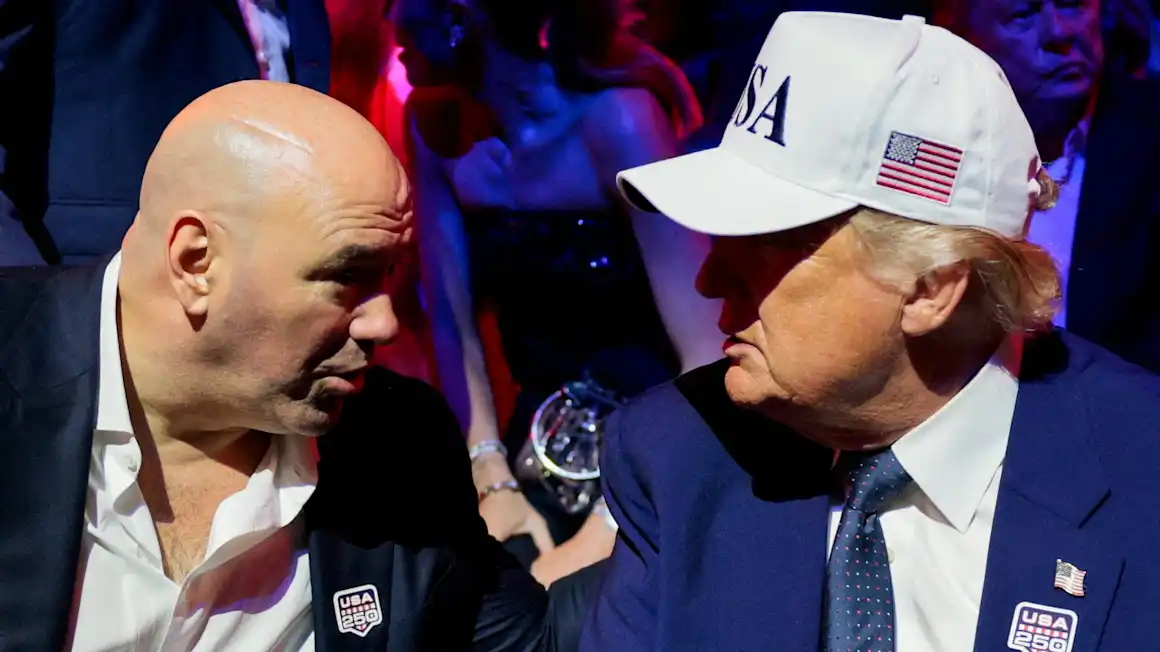
A Reversal on Press Secretary Role
President-elect Donald Trump has walked back a startling announcement made earlier in the day, in which he claimed to have invited Ultimate Fighting Championship (UFC) President Dana White to serve as the White House press secretary. The comments, which generated significant media attention and confusion, were described by Trump as a joke during a subsequent interaction with reporters. The reversal highlights the unpredictable nature of the former president's communication style and the immediate public reaction to his unconventional personnel suggestions.
During a press gathering, Trump initially stated that he had asked White to take on the high-profile government position. The claim sent shockwaves through political circles and the sports entertainment industry alike, given the vast difference in experience between a mixed martial arts executive and the role of chief government spokesperson. The suggestion raised immediate questions regarding White's qualifications for handling national security briefings and complex political narratives.
However, the narrative shifted rapidly when Trump addressed the media again. When asked to clarify his earlier statement, the president-elect admitted that he was 'only kidding' about the offer. This clarification did little to dampen the initial excitement or controversy surrounding the news. Journalists and political analysts were left to piece together the context of the initial comment and the subsequent retraction.
The incident has reignited discussions about the criteria for selecting key administration officials. Traditionally, the role of press secretary is filled by seasoned political operatives or journalists with extensive experience in government affairs. The suggestion of a sports entertainment executive for such a critical role underscores a departure from conventional hiring practices and has drawn criticism from some quarters who argue for traditional qualifications.
Implications for Administration Dynamics
Dana White, a prominent figure in the sports world, has been a vocal supporter of Trump. His inclusion in the conversation about high-level government roles suggests a potential shift in how the incoming administration might view loyalty and public influence versus traditional political experience. White’s relationship with the president-elect has been a topic of interest, with both men sharing a history of public interactions and mutual support.
The media frenzy surrounding the comment has also highlighted the power of social media and rapid news cycles in shaping political discourse. Initial reports of the potential appointment spread quickly, leading to widespread speculation about the composition of the new administration. The swift retraction by Trump further emphasized the fluidity of information in modern political campaigns and the importance of verifying sources in real-time.
Observers note that while the comment was dismissed as a joke, it reflects a broader trend of non-traditional figures entering the political sphere. The involvement of individuals from entertainment and sports backgrounds in advisory roles is becoming more common, raising questions about the blending of celebrity culture with governance. This trend has both supporters, who value fresh perspectives, and critics, who worry about a lack of substantive experience.
As the transition team continues to fill key positions, the incident serves as a reminder of the unconventional paths some advisors may take. The administration has yet to confirm its final roster of press secretaries or communications staff. White has not publicly responded to the initial invitation or the subsequent retraction, leaving his role in the transition unclear.
Key takeaways
- President-elect Donald Trump stated he was 'only kidding' about inviting UFC President Dana White to be White House press secretary.
- The initial announcement of the invitation caused a significant media flurry and widespread speculation about the new administration's staffing.
- Dana White, a prominent sports executive, has been a vocal supporter of Trump but lacks traditional government communications experience.
- The reversal highlights the unconventional and unpredictable nature of the incoming administration's personnel announcements.





