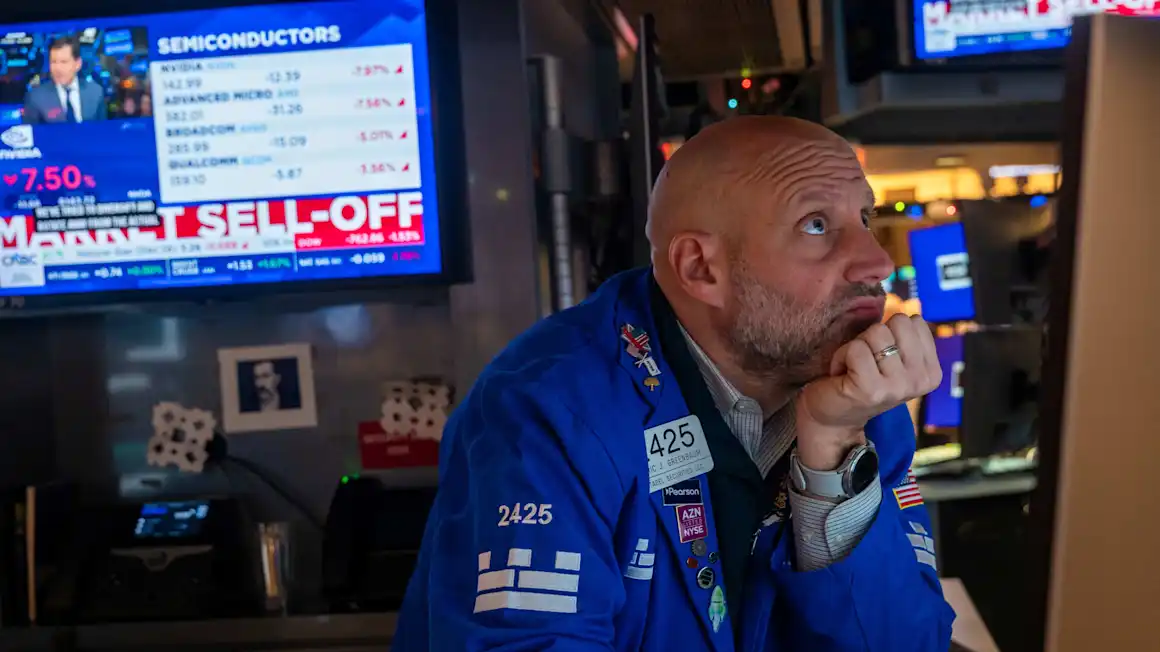
Political Meddling Hits Equity Markets
The intersection of government policy and corporate strategy is increasingly becoming a focal point for market volatility. Recent reports indicate that political interventions involving Nvidia, the world's leading manufacturer of artificial intelligence chips, have begun to erode the perceived stability of US equities. This development marks a shift from previous trends where political noise had limited direct impact on the fundamental valuation of major tech stocks, suggesting a new era where regulatory uncertainty plays a more direct role in market performance.
Analysts note that the gloss has already been rubbed off the dollar and US Treasuries by similar political meddling in other sectors. The current situation with Nvidia represents a tangible extension of this trend into the equity market. Investors are increasingly wary that government actions, whether through regulatory pressure or direct intervention, may alter the growth trajectory of key technological pillars that have driven recent market gains.
The Cost of Intervention
The specific nature of the intervention involves heightened scrutiny and potential policy shifts that could impact Nvidia's operational freedom and strategic direction. While the company remains a dominant force in the AI hardware space, the political risk premium associated with its stock is rising. This is not merely a sector-specific issue but a signal that the broader market environment is becoming more susceptible to political outcomes.
The financial implications are already visible. As political risk increases, so does the cost of capital for affected firms. For Nvidia, this could mean higher compliance costs, potential restrictions on certain business practices, or delays in product rollouts due to regulatory hurdles. These factors collectively contribute to a cooling of investor enthusiasm, which has historically been a primary driver of the tech sector's outperformance in recent years.
Market participants are closely monitoring the situation, with some warning that the precedent set by this intervention could lead to broader regulatory challenges for other major US technology companies. The fear is that if political meddling becomes a standard tool for influencing corporate strategy, it could dampen innovation and long-term growth prospects across the entire technology sector.
Broader Economic Implications
The ripple effects of this political interference extend beyond Nvidia. As the stock market reacts to the news, there is a potential for broader market correction, particularly in sectors heavily reliant on government contracts or international supply chains. The uncertainty surrounding Nvidia's future could lead to a reassessment of risk across the tech industry, causing investors to pull back from high-growth stocks in favor of more defensive assets.
Furthermore, the impact on the dollar and US Treasuries cannot be overlooked. If political instability is perceived as a systemic risk, it could weaken confidence in US financial instruments. This could lead to a depreciation of the dollar, making imports more expensive and potentially fueling inflation. For US Treasuries, increased political risk could result in higher yields as investors demand greater compensation for holding government debt, thereby increasing the cost of borrowing for the US government and potentially crowding out private investment.
Historically, markets have shown resilience in the face of political noise, but the current situation with Nvidia suggests a more profound shift. The involvement of the highest levels of government in corporate affairs is a departure from the norm and is likely to have lasting effects on how investors price risk in the US market. As the situation develops, it will be crucial to observe whether this trend continues or if it remains an isolated incident.
Looking Ahead
The coming weeks will be critical in determining the full extent of the impact. Investors will be looking for clarity on the scope of the intervention and its potential duration. If the political pressure subsides, the market may quickly revert to its previous growth trajectory. However, if the intervention leads to significant regulatory changes, the long-term implications for Nvidia and the broader tech sector could be substantial.
For now, the message is clear: political meddling has a cost. It is no longer just a background noise in the financial markets but a direct factor influencing asset prices and economic stability. As the situation with Nvidia unfolds, it serves as a cautionary tale for the increasing complexity of navigating the intersection of politics and business in the modern economy.
Key takeaways
- Political interventions involving Nvidia are beginning to negatively impact US equity markets.
- Similar political meddling has previously affected the value of the US dollar and Treasuries.
- Investor sentiment is shifting as the cost of political risk becomes more apparent in tech stocks.
- The intervention could set a precedent for increased regulatory scrutiny on other major technology firms.
- Market volatility is expected to increase as investors reassess risk in the technology sector.