Legal Challenges Undermine Policy Stability
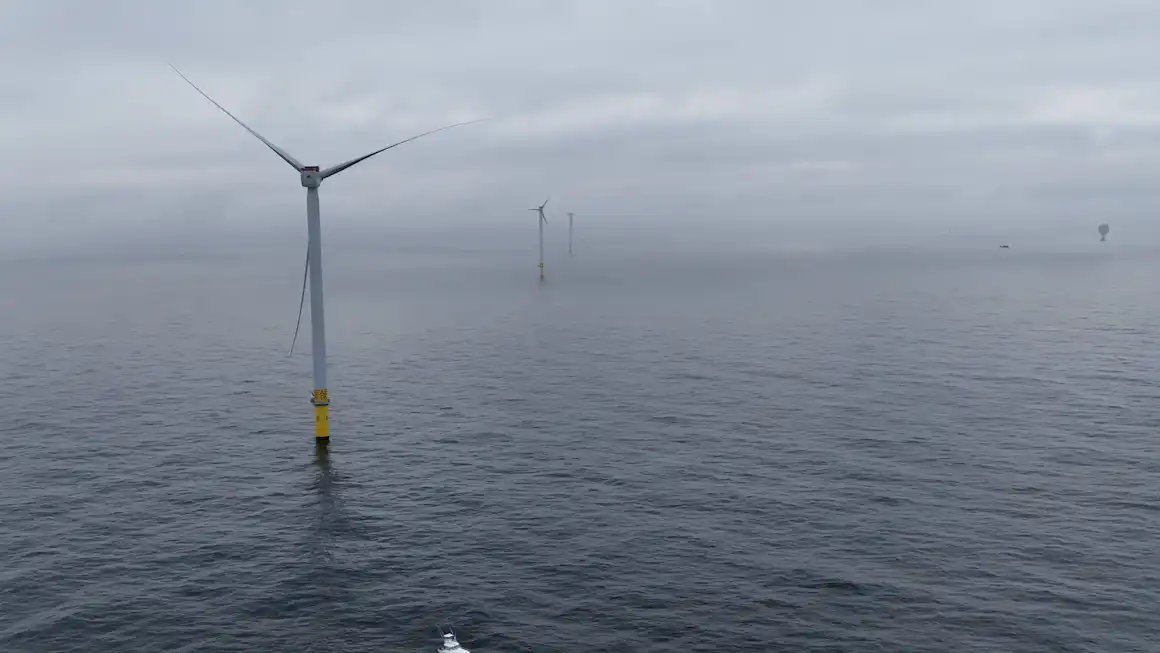
The Trump administration has initiated a new legal campaign targeting wind power projects, a move that directly jeopardizes the delicate permitting agreement recently negotiated between industry stakeholders and government officials. This sudden shift in strategy effectively ends a period of détente regarding renewable energy development that had been carefully cultivated to attract bipartisan support for upcoming legislative bills. The administration's actions suggest a re-evaluation of previous concessions made to the clean energy sector, raising immediate questions about the stability of regulatory frameworks for future projects.
At the heart of the conflict is the administration's challenge to specific wind energy developments, which contradicts the spirit of cooperation that had previously characterized discussions between the White House and renewable energy advocates. This legal maneuvering serves as a clear indicator that the administration may no longer be willing to uphold the informal or formal agreements that facilitated the flow of renewable energy projects. For investors and developers who had relied on this stability, the new legal challenges introduce significant uncertainty into an already volatile market environment.
Bipartisan Support at Risk
The permitting deal in question was not merely an administrative adjustment but a strategic political move designed to build a coalition that included both Republican and Democratic lawmakers. By engaging in a détente with the renewable energy sector, the administration aimed to demonstrate flexibility and openness to green energy initiatives, thereby broadening the base of support for broader economic and infrastructure bills. The current legal challenges threaten to unravel this political architecture, potentially alienating key stakeholders who had been brought into the fold under the assumption of continued regulatory accommodation.
Analysts suggest that the administration's fresh campaign against wind power is a tactical response to shifting political priorities or internal pressure, rather than a random occurrence. The timing of these challenges, coinciding with the legislative push for new bills, highlights the fragile nature of policy compromises in the current political climate. If the permitting deal collapses, it could lead to a protracted legal battle that delays renewable energy projects for years, impacting both the energy grid and the broader economic goals associated with green infrastructure.
The implications of this shift extend beyond the immediate legal disputes. The renewable energy sector has been a focal point for job creation and technological innovation, with wind power representing a significant portion of new capacity additions. A reversal of policy stance could dampen investor confidence and slow the pace of deployment, affecting supply chains and local economies that have become dependent on wind project development. The uncertainty surrounding the permitting process may also discourage international investment in U.S. renewable energy assets, given the perceived unpredictability of federal policy.
What Happens Next
As the legal challenges proceed, all eyes will be on the courts and congressional committees to see how this dispute is resolved. The outcome of these challenges will likely set a precedent for how the administration handles other renewable energy projects, potentially signaling a broader retreat from previous green energy commitments. Stakeholders are advised to monitor these legal developments closely, as they will determine the viability of existing projects and the feasibility of new ones in the near term.
Key takeaways
- The Trump administration is legally challenging specific wind power projects, marking a departure from previous cooperative policies.
- This action threatens to invalidate the permitting deal that was crucial for securing bipartisan support for upcoming legislation.
- The shift in strategy introduces significant regulatory uncertainty for renewable energy developers and investors.
- The collapse of the détente could delay green infrastructure projects and impact job creation in the sector.
- The outcome of these legal challenges will likely set a precedent for federal policy on renewable energy.





