Warning of Immediate Emergency
The Trump’s Board of Peace, a non-governmental organization associated with former President Donald Trump, has issued a stark warning regarding the deteriorating situation in Gaza. In a recent statement, the organization declared that the region is facing an "immediate humanitarian emergency." This declaration underscores the critical nature of the current conditions faced by the Palestinian population in the enclave, highlighting the urgent need for international attention and response to the crisis.
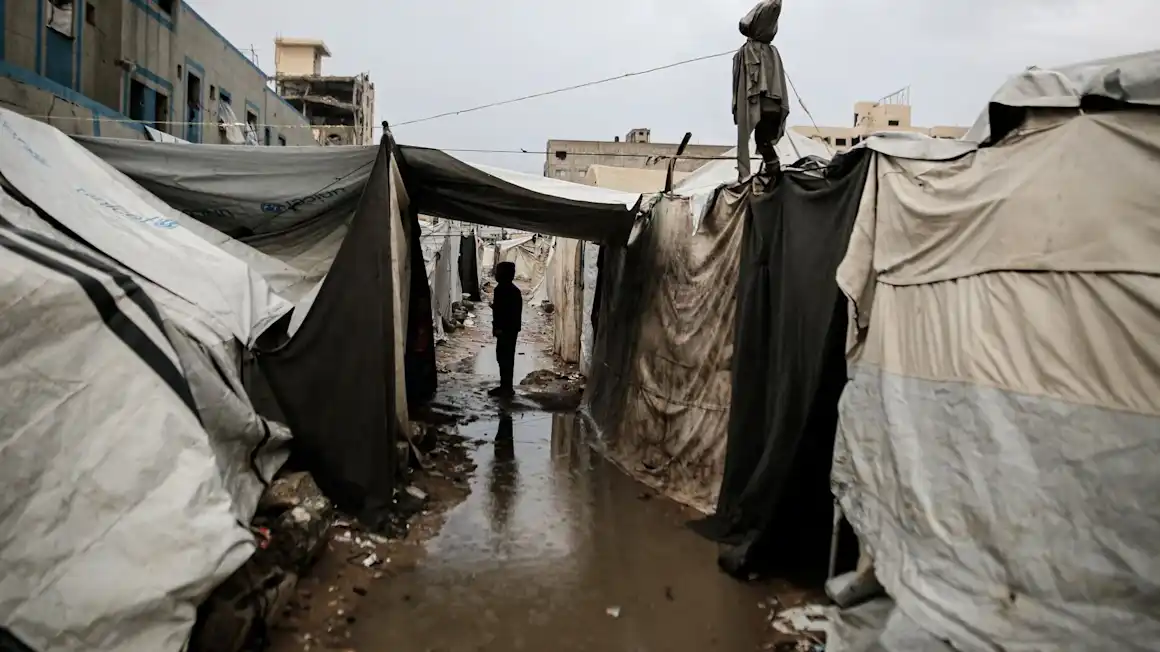
The Board’s assessment focuses on the severe impact of environmental factors combined with logistical barriers to assistance. The organization specifically points to widespread flooding as a primary driver of the current emergency. These flooding events have left Palestinians in what the Board describes as "unsafe conditions," exacerbating the already fragile state of infrastructure and living standards in the affected areas.
A central component of the Board’s critique involves the flow of humanitarian assistance into the territory. The organization asserts that Israel is allowing "insufficient aid" to enter Gaza. This claim suggests that current mechanisms for aid distribution are inadequate to meet the growing needs of the civilian population. The Board implies that the volume and speed of aid delivery are not keeping pace with the escalating humanitarian demands caused by the conflict and environmental challenges.
The warning issued by the Trump’s Board of Peace adds another voice to the growing chorus of international organizations and governments calling for improved humanitarian access. While the Board is a US-based entity linked to a prominent political figure, its statement aligns with broader concerns raised by global health and relief agencies regarding the safety and well-being of civilians in Gaza. The emphasis on flooding highlights how natural elements are compounding the difficulties created by the ongoing conflict.
Impact on Civilian Populations
The designation of the situation as an "immediate humanitarian emergency" carries significant weight in diplomatic and humanitarian circles. Such a label typically triggers heightened awareness and can pressure governing bodies to take corrective action. For the Trump’s Board of Peace, using this terminology serves to underscore the urgency of the situation and the potential for further deterioration if current conditions persist. The organization’s focus on the lack of sufficient aid suggests that without immediate intervention, the humanitarian landscape could worsen significantly.
The mention of unsafe conditions resulting from flooding points to specific vulnerabilities in Gaza’s infrastructure. Flooding can lead to the contamination of water supplies, the spread of disease, and the destruction of homes and essential services. For a population already grappling with the aftermath of conflict, these environmental hazards present a compounded threat. The Board’s statement draws attention to how these non-combat factors are contributing to the overall humanitarian crisis, adding complexity to the efforts required to stabilize the region.
By attributing the insufficiency of aid to Israel’s policies or actions, the Board is placing responsibility for the crisis on specific actors. This framing is likely to influence public discourse and potentially diplomatic negotiations. The assertion that aid levels are insufficient is a direct challenge to the current operational framework in place. It suggests that existing agreements or security protocols may be hindering the delivery of necessary resources, thereby prolonging the suffering of the civilian population.
Context and Future Implications
The Trump’s Board of Peace has previously engaged in discussions regarding Middle East stability and peace initiatives. Their current statement on Gaza reflects a continued interest in the region’s humanitarian dimensions. While the organization is not a government body, its statements can contribute to the broader narrative surrounding the conflict. The focus on immediate emergency and insufficient aid serves to keep the humanitarian aspect of the crisis in the spotlight, potentially influencing future policy debates and aid allocation strategies.
As the situation in Gaza continues to evolve, the warning from the Trump’s Board of Peace may serve as a reference point for future assessments. The specific claims regarding flooding and aid shortages provide concrete points of reference for monitoring the situation. If these conditions persist or worsen, the Board’s earlier warning may be cited as evidence of the failure to address the emergency adequately. Conversely, improvements in aid delivery and infrastructure stability could mitigate the severity of the emergency as described.
The international community continues to monitor the humanitarian situation in Gaza closely. Various organizations are working to assess needs and deliver assistance, but the effectiveness of these efforts remains a subject of intense debate. The Trump’s Board of Peace’s statement adds to this discourse by highlighting specific gaps in the current response. Their focus on the immediate nature of the emergency suggests that time is a critical factor in determining the outcome for the civilian population.
Key takeaways
- The Trump’s Board of Peace has declared an immediate humanitarian emergency in Gaza.
- Flooding has resulted in unsafe living conditions for Palestinians in the territory.
- The organization claims Israel is allowing insufficient aid to enter Gaza.
- The warning highlights the compounding effects of environmental hazards and conflict.
- The statement places responsibility for the aid shortfall on current entry protocols.
- The designation of an emergency underscores the urgency of the humanitarian situation.





