Financial Incentive for Verification
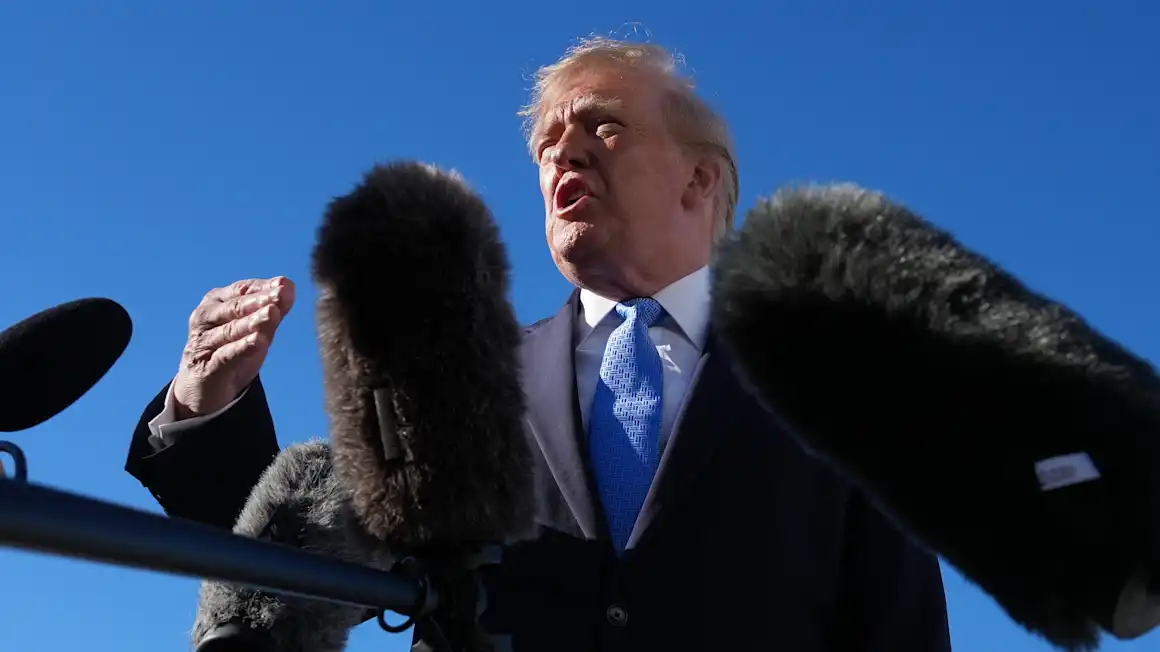
Donald Trump, the former President of the United States, has officially announced a reward of $1 million for information that leads to the conviction of individuals involved in election fraud. This significant financial incentive was disclosed in a post on Truth Social, marking a direct attempt to mobilize public vigilance regarding the integrity of the upcoming electoral process. The announcement serves as a high-profile gesture aimed at reinforcing his long-standing narrative regarding the legitimacy of past and current election outcomes.
The timing of this announcement is particularly notable, as it arrives just days before the midterm elections. These elections are widely regarded as a critical barometer for the political landscape, with the potential to shift the balance of power in Congress. By offering a substantial monetary reward, Trump is seeking to amplify scrutiny on election procedures and outcomes, positioning himself as a champion of electoral integrity despite the lack of widespread evidence supporting claims of systemic fraud in previous cycles.
Context of Midterm Significance
The upcoming midterm elections will determine the control of both the House of Representatives and the Senate, making the stakes exceptionally high for political parties across the spectrum. The balance of power in Congress directly influences legislative agendas, judicial appointments, and the oversight of the executive branch. Trump’s intervention at this juncture underscores the intense political polarization surrounding the electoral process and the competing narratives regarding vote counting and security measures.
While Trump has frequently cited concerns about election integrity, his claims have been repeatedly challenged by election officials, courts, and independent auditors. Despite numerous legal challenges and audits that have failed to substantiate allegations of widespread fraud in the 2020 presidential election, the former president continues to assert that irregularities occurred. The $1 million reward is framed as a tool to uncover hidden truths, although critics argue it serves more as a political tactic to maintain engagement among his base rather than a serious investigative initiative.
The announcement has drawn varied reactions from political observers and legal experts. Some view the reward as a legitimate effort to ensure transparency and accountability in voting systems, while others see it as an attempt to sow doubt and undermine confidence in democratic institutions. The legal community remains cautious, noting that the burden of proof for criminal convictions is high and that anecdotal tips often fail to meet the evidentiary standards required for prosecution.
Election security experts emphasize that the integrity of the U.S. electoral system relies on a combination of state-level administration, federal oversight, and robust verification processes. The introduction of a private financial reward for tips introduces an additional layer of complexity to the already intricate process of election monitoring. It raises questions about the role of private actors in public electoral oversight and the potential for misinformation to be amplified through such incentives.
Implications for Electoral Oversight
As the midterms approach, the focus on election fraud claims is likely to intensify scrutiny on voting machines, ballot counting procedures, and voter registration rolls. State election officials are preparing for increased pressure and potential legal challenges from various groups. The Trump reward may encourage a surge in tips and complaints, which election administrators will need to vet carefully to distinguish between genuine concerns and baseless allegations.
The political ramifications of this move extend beyond the immediate election cycle. It reinforces the narrative of electoral dishonesty among a segment of the electorate, potentially affecting voter turnout and trust in future elections. The response from political opponents and media outlets is expected to be critical, with many framing the reward as a distraction from substantive policy issues.
Ultimately, the $1 million reward stands as a symbolic gesture in the broader debate over election integrity. While it highlights the ongoing tensions surrounding the electoral process, it does not provide concrete evidence of fraud. The midterms will serve as the next test of the system’s resilience, with the reward acting as a focal point for discussions on security, transparency, and public trust.
Key takeaways
- Donald Trump has offered a $1 million reward for information leading to election fraud convictions.
- The announcement was made on Truth Social just days before the midterm elections.
- The midterms will determine the balance of power in the U.S. Congress.
- Trump’s claims of election fraud have been repeatedly challenged and debunked by courts and officials.
- The reward aims to incentivize public vigilance but raises questions about the role of private incentives in electoral oversight.





