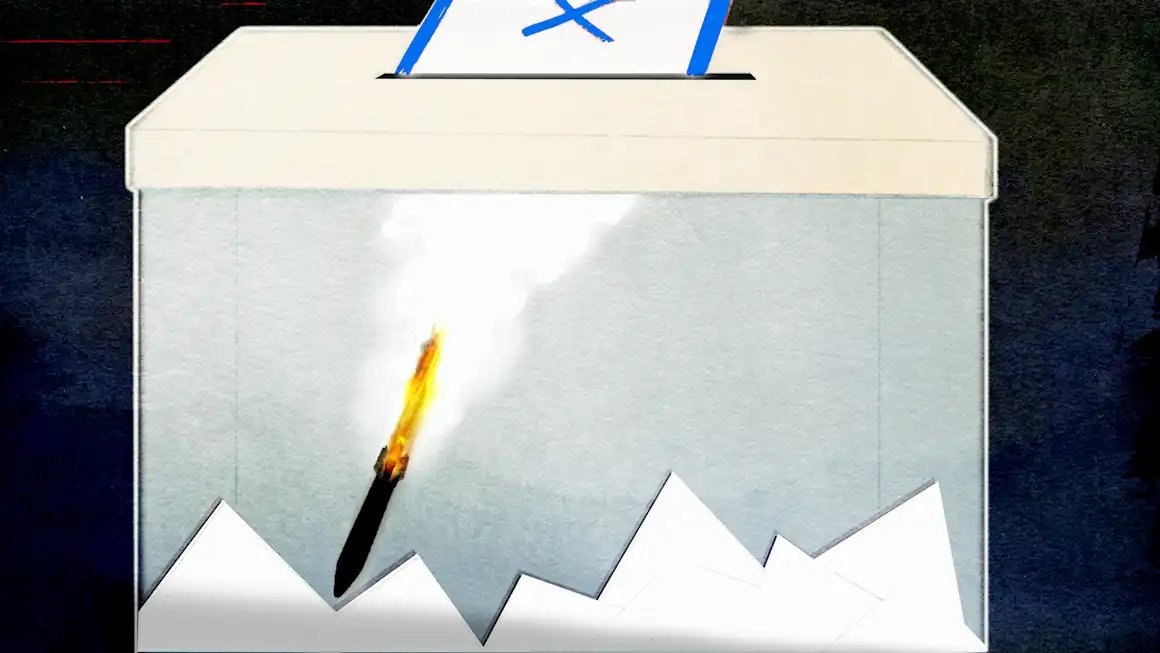
Electoral Shifts and Strategic Continuity
The political landscape in both Israel and the United States has undergone significant changes following recent elections. In Israel, the leadership has experienced a defeat, marking a shift in domestic political power. Simultaneously, the United States has seen a change in its executive branch with the electoral victory of Donald Trump. Despite these profound electoral defeats and transitions in leadership, analysts suggest that these political changes may not serve as a barrier to ongoing strategic initiatives.
Speculation is mounting that plans for a renewed assault or escalation against Iran remain active regardless of the new political realities in Jerusalem and Washington. The continuity of these plans suggests that the strategic objective of pressuring Iran is viewed as a long-term priority that transcends short-term electoral cycles. This perspective indicates that the machinery of foreign policy and military strategy may be operating independently of the immediate political will of newly elected or re-elected leaders.
The Role of Political Will in Escalation
The term "politics of escalation" highlights the complex interplay between domestic political considerations and international military actions. For the new administration in the US and the new leadership in Israel, the decision to pursue or maintain escalation against Iran is likely influenced by a variety of factors, including security assessments, regional alliances, and domestic political pressures. The fact that electoral defeats have not deterred these plans implies that the commitment to confronting Iran is deeply entrenched in the strategic frameworks of both nations.
Observers note that the potential for renewed assault is not merely a rhetorical threat but a tangible possibility being weighed by policymakers. The previous administrations of both countries have maintained a hardline stance against Iran, and there are indications that this trajectory is being preserved or even accelerated by the current leadership. The political capital required to sustain such a stance may be different under new leaders, but the underlying strategic goals appear to remain consistent.
The international community is closely watching these developments, as any escalation could have far-reaching consequences for regional stability and global energy markets. Diplomatic efforts to contain the situation are ongoing, but the persistence of military planning suggests that diplomatic solutions are not the primary focus at this juncture. The interplay between political rhetoric and actual military readiness creates a volatile environment where miscalculation could lead to unintended conflict.
Implications for Regional Stability
The potential for a renewed assault on Iran raises serious concerns about the stability of the Middle East. Iran, as a regional power with significant influence in various countries across the Middle East, is likely to respond to any escalation with its own set of strategic moves. This could involve proxy conflicts, cyber warfare, or other forms of asymmetric warfare that complicate the military calculus for the US and Israel.
Furthermore, the actions of the US and Israel in this context will likely influence the behavior of other regional actors. Allies and adversaries alike will be reassessing their positions based on the perceived strength and resolve of the new leadership in Washington and Jerusalem. The political narrative surrounding Iran is thus not just about security but also about projecting power and maintaining regional hegemony.
As the situation develops, the focus will remain on whether the political will to escalate translates into concrete military action or remains a tool of diplomatic pressure. The absence of a definitive shift in strategy following the electoral changes suggests that the pressure on Iran is likely to intensify, regardless of the political makeup of the governments involved. The world waits to see if this political will is matched by decisive action.
Key takeaways
- Electoral defeats for leaders in Israel and the US have not halted plans for renewed pressure on Iran.
- Strategic continuity suggests that military escalation plans are independent of short-term electoral cycles.
- Both nations appear to maintain a hardline stance, with indications that this trajectory may be accelerated.
- Regional stability remains at risk as Iran is likely to respond to escalation with asymmetric warfare.
- The international community is monitoring the interplay between political rhetoric and military readiness closely.





