A Campaign Under Pressure
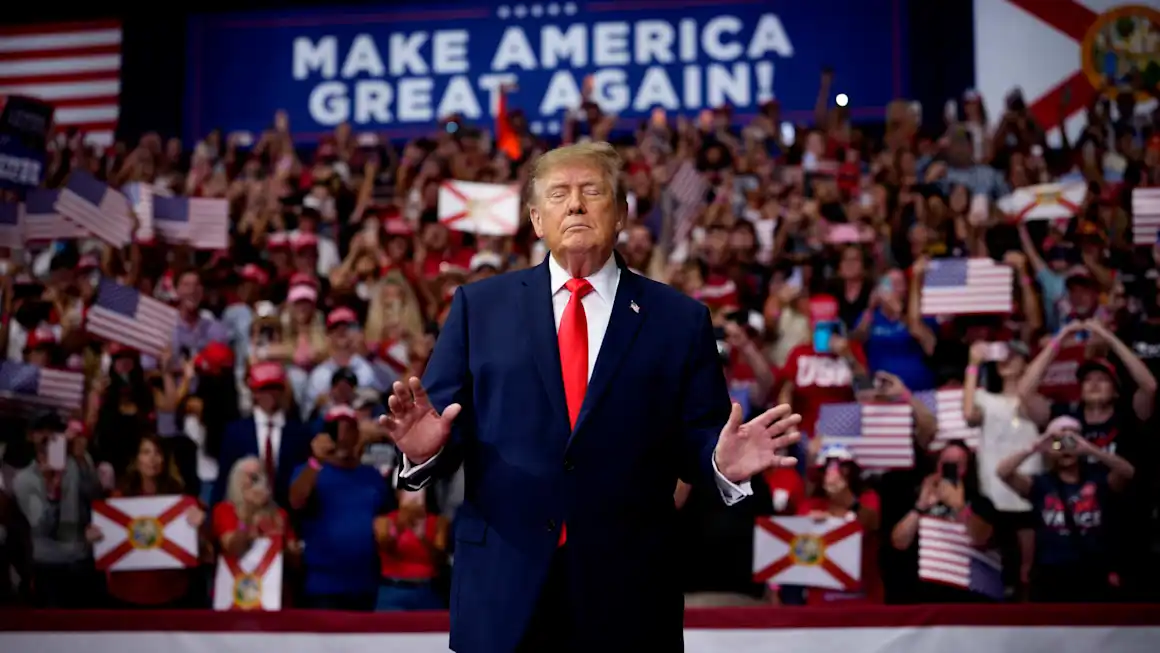
Republican Party leaders are currently engaged in a high-stakes effort to defend their control of Congress against growing signs of a political backlash directed at the president. As the midterm elections approach, the administration has intensified its messaging, with President Trump making a final, critical pitch to voters who appear increasingly restive regarding the current political climate. This strategic move underscores the urgency within the GOP ranks as they face polling data that suggests a potential shift in voter sentiment that could jeopardize their legislative majority.
The current political landscape is characterized by a palpable tension between the party's leadership and its base. While the Republican Party aims to maintain its grip on both the House and the Senate, recent indicators suggest that the president's approval ratings and policy decisions are becoming a liability rather than an asset for down-ballot candidates. This dynamic has forced campaign strategists to recalibrate their approaches, focusing heavily on local issues while attempting to mitigate the national headwinds created by the White House.
President Trump's latest appearances have been tailored to address these concerns directly. By targeting restive voters, the campaign is attempting to re-energize the conservative base while simultaneously appealing to swing voters who may be disillusioned with the status quo. The narrative being pushed is one of resilience and continued momentum, aiming to counteract the negative narratives that have gained traction in recent weeks. This final pitch is not merely a standard campaign stop but a calculated effort to solidify support before the ballots are cast.
The Republican Party is defending its control of Congress against signs of a backlash to the president.
Analysts point out that the midterm elections have historically served as a referendum on the sitting president's performance. This year, that dynamic appears to be amplified by a combination of economic concerns, social policy debates, and foreign policy controversies. The backlash mentioned in internal party communications is not just a theoretical risk but a tangible force that is shaping polling numbers and fundraising efforts. Lawmakers from competitive districts are particularly vocal about the need to distance themselves from the most controversial aspects of the presidential agenda while still aligning with the broader party platform.
The strategy being employed involves a dual approach of grassroots mobilization and targeted advertising. Campaign officials are investing heavily in digital platforms to reach younger voters and independent moderates who have shown a tendency to drift away from the Republican Party in recent cycles. Simultaneously, traditional ground game operations are being scaled up in key suburban areas that have become battlegrounds in previous elections. This multi-faceted strategy reflects an acknowledgment that the old playbooks may not be sufficient in the current environment.
Behind the scenes, there is a growing sense of urgency among party donors and super PACs. Contributions are being directed toward races that are perceived as winnable, with a cautious eye on those that are likely to be lost. This selective allocation of resources highlights the realistic assessment that maintaining a simple majority may be the primary goal, rather than expanding the margin. The fear of losing the House or the Senate is driving these decisions, as the loss of congressional control would significantly impact the president's ability to enact his legislative agenda.
Looking Ahead to Election Day
As the final days of the campaign unfold, the focus remains on voter turnout and persuasion. Polls indicate that the race is tight in several critical states, where a few percentage points could determine the balance of power in Washington. The president's final pitch is designed to maximize enthusiasm among his supporters while providing a compelling reason for undecided voters to choose Republican candidates. The success of this strategy will be measured not just in the number of votes cast but in the ability of the party to hold its ground against a motivated opposition.
The implications of the midterm results extend far beyond the immediate composition of Congress. A Republican loss would embolden the opposition and constrain the executive branch's power, while a victory would provide a renewed mandate for the administration's policies. Consequently, every speech, advertisement, and rally is scrutinized for its potential impact on the final outcome. The coming weeks will be critical in determining whether the Republican Party can overcome the headwinds of a backlash or if the political tide has turned irrevocably.
Key takeaways
- Republican Party leaders are actively defending their congressional majority against a growing backlash directed at the president.
- President Trump is making a final, critical pitch to restive voters as midterm elections approach.
- Growing signs of voter dissatisfaction are creating significant challenges for GOP candidates in competitive districts.
- Campaign strategies are shifting to include targeted digital advertising and enhanced grassroots mobilization efforts.
- The midterm results will significantly impact the legislative agenda and the balance of power in Washington.





