Political Realignment in the Latino Demographic
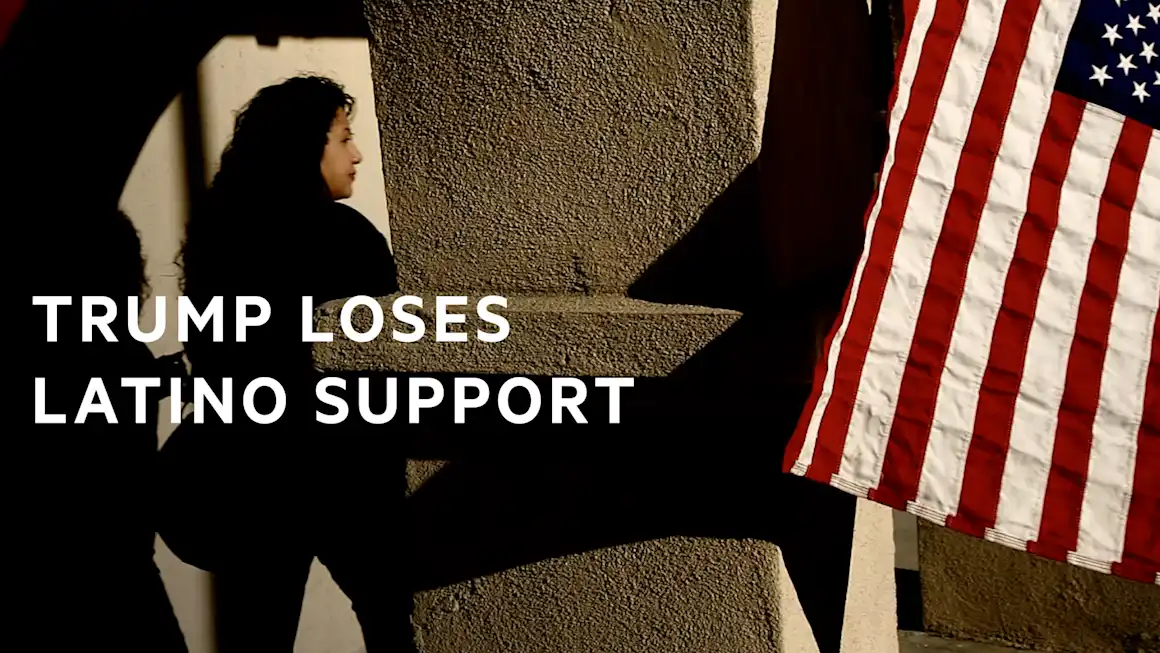
As the United States approaches the critical midterm elections, a notable shift in political allegiance among Latino voters is becoming increasingly evident. Recent data suggests that this demographic, which saw a temporary swing toward the Republican Party in previous cycles, is moving back toward the Democratic Party. This realignment marks a significant development in the electoral landscape, potentially reshaping the strategic calculus for both major political parties as they prepare for the upcoming vote.
The migration of Latino voters back to the Democratic fold is not merely a statistical fluctuation but appears to be driven by a complex interplay of socioeconomic concerns and policy priorities. Historically, the Latino vote has been a pivotal bloc in American politics, often decisive in key swing states. The current trend indicates that issues such as healthcare access, economic stability, and immigration policy are resonating more strongly with Democratic platforms in the eyes of this voter segment.
Economic and Social Drivers Behind the Shift
Several factors are contributing to this political reorientation. Economic anxiety remains a primary driver, with many Latino families navigating inflation, housing costs, and wage stagnation. Democratic proposals focused on social safety nets and economic relief appear to be striking a chord with voters who are feeling the pinch of the current economic climate. Additionally, the administration's stance on social issues, including healthcare and education, has regained traction among communities that have historically relied on these public services.
Furthermore, the political discourse surrounding immigration continues to play a crucial role. As the midterm elections draw nearer, the topic of immigration reform and the rights of undocumented residents remains a hot-button issue. Latino voters, many of whom have personal or familial ties to immigration, are responding to the tone and substance of political rhetoric. The shift back to Democrats suggests a preference for policies that are perceived as more inclusive and supportive of immigrant communities.
Political analysts note that this trend is not uniform across all Latino subgroups. Variations exist based on geography, age, and socioeconomic status. However, the overall momentum is clearly pointing toward the Democratic Party. This movement is being closely watched by campaign strategists who are adjusting their outreach efforts to capitalize on this shifting alignment. The ability of the Democratic Party to maintain this momentum will be a key factor in determining the outcome of the midterms.
Implications for the Upcoming Midterms
The return of Latino voters to the Democratic column has profound implications for the upcoming midterm elections. In states with significant Latino populations, such as Florida, Texas, and Arizona, this shift could alter the balance of power. These states have historically been battlegrounds, and the Latino vote has often been the tipping point. A sustained shift could provide Democrats with a competitive edge in these crucial regions.
Conversely, the Republican Party is facing the challenge of re-engaging this demographic. Party strategists are likely to reassess their messaging and policy positions to appeal to Latino voters who may feel alienated by current political narratives. The outcome of this engagement will be critical, as the loss of even a small percentage of the Latino vote can have outsized effects in close races.
As the election cycle progresses, the focus will remain on how both parties address the concerns of Latino voters. The issues of economic security, healthcare, and immigration are likely to dominate campaign rhetoric. The ability of candidates to connect with these voters on a personal and policy level will determine their success. The midterm elections will serve as a barometer for the political sentiment of one of the fastest-growing demographic groups in the United States.
Key takeaways
- Latino voters are shifting back to the Democratic Party ahead of the US midterm elections.
- Economic concerns and immigration policy are primary drivers of this political shift.
- Both parties are adjusting strategies to engage with this pivotal voting bloc.
The trend indicates a reversal of previous political alignments within the Latino demographic.
Key swing states with significant Latino populations may see altered electoral dynamics.





