Escalating Tensions and Military Concerns
As geopolitical tensions in the Middle East continue to simmer, President Donald Trump is reportedly considering additional military strikes against Iran. This potential escalation comes at a critical time for the United States armed forces, which are already navigating the complexities of prolonged engagements and shifting fiscal landscapes. The decision reflects a broader strategic debate within the administration regarding the use of military force as a primary tool for diplomatic leverage in the region.
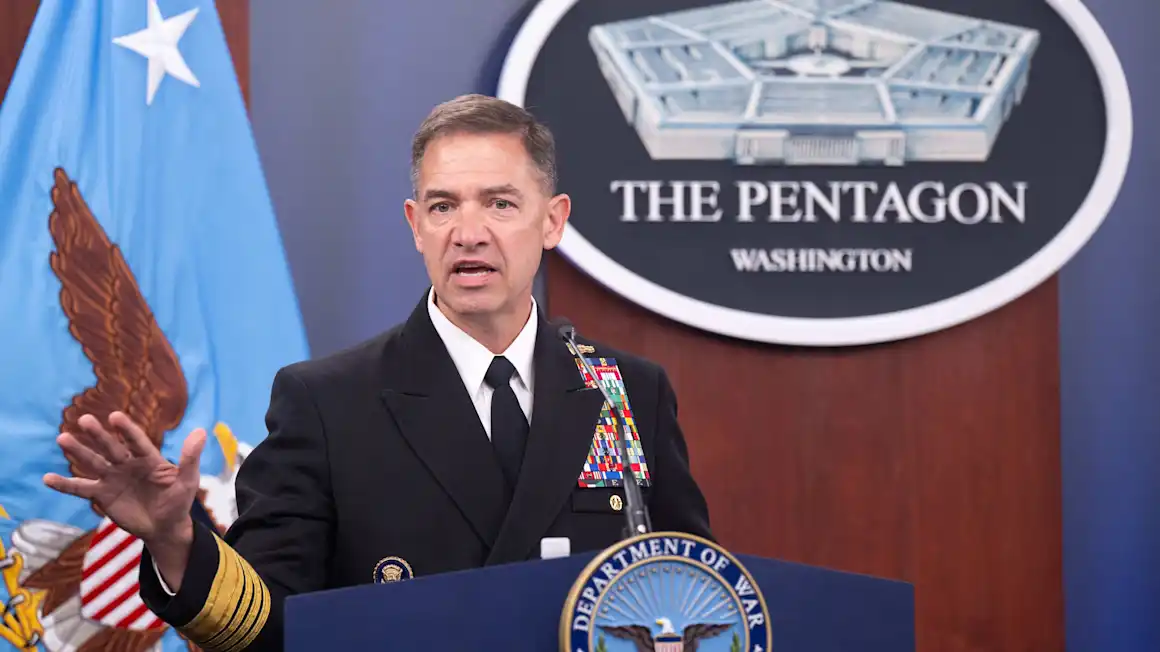
According to recent reports, senior officials have raised alarms about the long-term implications of such actions. The primary concern centers on the sustainability of current deployment levels and the impact on overall force readiness. If the conflict extends into the new year without a clear resolution or de-escalation, the military infrastructure may face severe strain, potentially compromising its ability to respond to other global threats.
The warning highlights a delicate balance between immediate security objectives and long-term military capability. Indefinite deployments, which have become more common in recent years, require significant logistical support and personnel management. When combined with the prospect of new strikes, the demand on troops and equipment could exceed current operational limits, leading to fatigue and reduced effectiveness in critical areas.
Budgetary Pressures and Readiness Risks
Beyond the immediate tactical considerations, the financial aspect of continued conflict presents a substantial challenge. Officials have pointed to potential budget cuts as a compounding factor that could erode military readiness. In an era of fiscal constraint, maintaining high levels of operational tempo while navigating reduced funding is increasingly difficult. This dual pressure of active engagement and financial limitation creates a scenario where the military must prioritize resources carefully, potentially leaving some units under-resourced.
The risk of eroding readiness is not just a theoretical concern but a practical reality for military planners. Readiness depends on rigorous training, well-maintained equipment, and adequate staffing levels. Any disruption to these elements, whether due to extended deployments or budgetary shortfalls, can have cascading effects on the military's ability to execute its missions effectively. The warning from officials underscores the importance of considering these long-term costs when making decisions about military intervention.
Furthermore, the potential for budget cuts adds another layer of uncertainty to military planning. Defense spending is subject to political negotiations and economic conditions, making it difficult to predict future funding levels. This unpredictability can hinder long-term strategic planning and force the military to operate on short-term assumptions, which may not align with the realities of sustained conflict. The combination of these factors creates a complex environment for policymakers and military leaders alike.
Looking Ahead: Implications for Policy and Strategy
As the situation develops, the focus will likely shift to how the administration addresses these concerns while pursuing its foreign policy goals. The consideration of new strikes against Iran suggests that military force remains a viable option in the eyes of the current leadership. However, the warnings from military officials indicate that this option comes with significant trade-offs that must be carefully weighed.
What happens next will depend on several factors, including diplomatic efforts, regional dynamics, and the outcome of internal debates within the government. The military's readiness is a critical asset that must be preserved to ensure national security in the long term. Any decision to escalate conflict must account for the potential impact on this asset and the broader strategic picture.
Observers will be watching closely to see how the administration navigates these challenges. The interplay between military action, budgetary constraints, and readiness concerns will shape the trajectory of US policy in the Middle East for months to come. The coming weeks will be crucial in determining whether the focus will remain on military engagement or shift towards other strategies for managing regional tensions.
Key takeaways
- President Trump is considering new military strikes against Iran amid rising regional tensions.
- US military officials warn that indefinite deployments could erode force readiness if conflict continues.
- Potential budget cuts are cited as a factor that may further strain military capabilities.
- The risk of reduced readiness is a significant concern for long-term national security planning.
- Decisions regarding military action will likely be influenced by both strategic and financial considerations.





