Allegations of Voter Deception
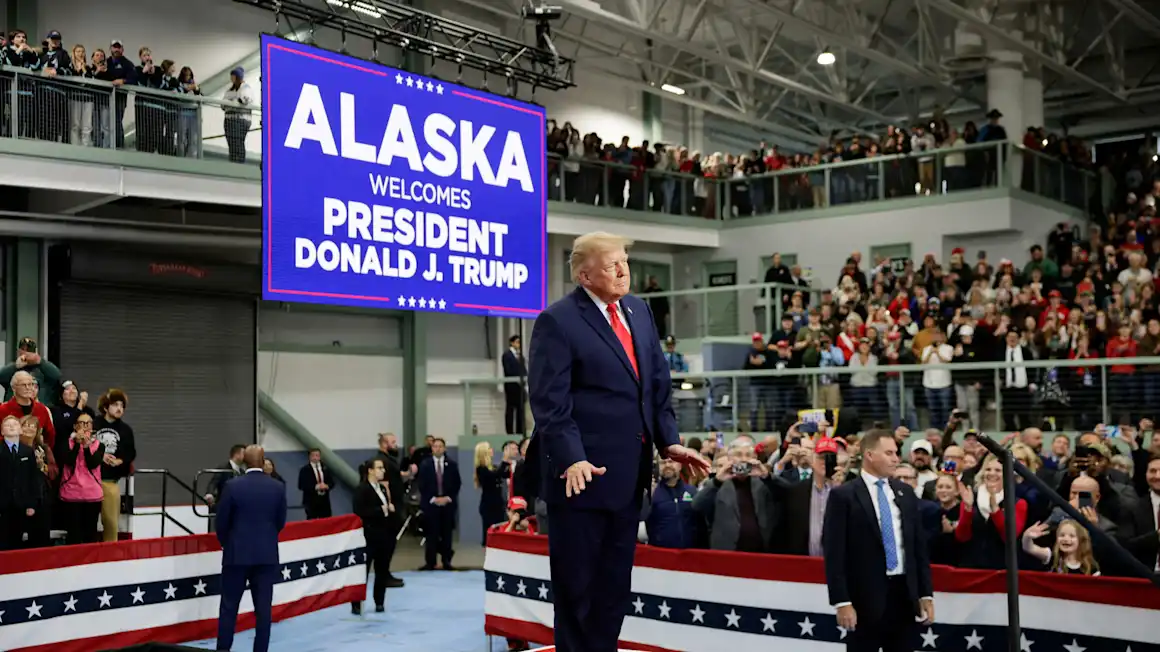
Former President Donald Trump has escalated tensions in the Alaska Senate race by calling for the removal of Democratic candidate Mary Peltola from the ballot. The demand follows reports alleging that Peltola’s campaign engaged in a coordinated effort to recruit other political contenders to mislead supporters of her Republican opponent. This development marks a significant intensification of the already heated contest, with Trump positioning himself as the primary enforcer of electoral integrity regarding the specific accusations leveled against the Alaska Democrat.
The core of the controversy rests on claims that Peltola’s team utilized a strategy designed to confuse the electorate. According to the allegations, the campaign recruited individuals with political ambitions to create a narrative or scenario intended to misdirect Republican voters. The objective, as described in the reports, was to obscure the true nature of the race or the candidates involved, thereby gaining an unfair advantage in the upcoming election cycle. These actions, if proven, would constitute a severe breach of electoral norms and potentially federal law.
Political Fallout and Legal Implications
Trump’s public call for Peltola’s ban highlights the polarized nature of the current political landscape. By framing the issue as a matter of disqualification rather than mere misconduct, the former president is attempting to shift the legal and political burden onto election officials and the courts. The demand suggests that Trump views the alleged deception not just as a campaign tactic but as a fundamental invalidation of Peltola’s candidacy. This approach aligns with his broader strategy of challenging election results and questioning the legitimacy of opponents through legalistic and rhetorical means.
The allegations have drawn immediate attention from legal experts and election watchdogs, who are scrutinizing the specifics of the report. While the details of the recruitment of other contenders remain under investigation, the mere existence of such a report has the potential to sway undecided voters and energize the base of both parties. Republican supporters are likely to view the allegations as confirmation of Democratic electoral manipulation, while Democratic officials may argue that the claims are part of a broader disinformation campaign aimed at undermining faith in the democratic process.
As the race progresses, the focus will likely shift to the legal mechanisms available for disqualifying a candidate. Election laws in Alaska and at the federal level provide various avenues for challenging a candidate’s eligibility, but the threshold for such action is typically high. Courts will need to determine whether the alleged actions rise to the level of fraud or deception sufficient to warrant removal from the ballot. This legal battle could delay the election or result in a protracted dispute that extends beyond the voting day.
The involvement of Trump, a former president with significant influence over the Republican Party, adds a layer of complexity to the situation. His public statements carry weight with his supporters and may pressure Republican lawmakers and election officials to take the allegations seriously. However, any attempt to remove Peltola from the race will face stiff resistance from Democratic leaders, who are likely to argue that such moves are politically motivated and lack substantive evidence.
Impact on the Alaska Senate Race
The Alaska Senate race has long been considered one of the most competitive in the nation, with both parties investing significant resources and attention. The introduction of these allegations threatens to overshadow policy debates and candidate platforms, redirecting the focus toward questions of electoral integrity. For Peltola, the allegations pose a significant challenge, requiring her to address the claims directly while maintaining her campaign’s momentum. The Democratic candidate must navigate a delicate balance, responding to the accusations without appearing defensive or distracted.
For the Republican opponent, the allegations provide a potent narrative that could galvanize support. However, the success of this strategy depends on the credibility of the reports and the willingness of the public to believe that such deception occurred. If the allegations are substantiated, they could have a lasting impact on the political careers of those involved. If they are dismissed as unfounded, the accusers may face backlash for attempting to undermine a legitimate candidate.
As the election approaches, the media and the public will be closely watching the legal proceedings and the political rhetoric surrounding the case. The outcome could set a precedent for how similar allegations are handled in future elections, potentially influencing the rules and norms governing candidate eligibility. The situation underscores the fragility of electoral trust and the challenges of maintaining fairness in a highly polarized environment.
Key takeaways
- Donald Trump has publicly called for the disqualification of Mary Peltola from the Alaska Senate race.
- Allegations state that Peltola’s campaign recruited other contenders to mislead Republican supporters.
- The claims center on a coordinated effort to deceive voters and gain an electoral advantage.
- Legal experts are examining whether the alleged actions meet the threshold for ballot removal.
- The controversy is intensifying the already competitive nature of the Alaska Senate contest.
- The outcome could set a precedent for handling allegations of voter deception in future elections.





