A Strategic Pivot in Communication
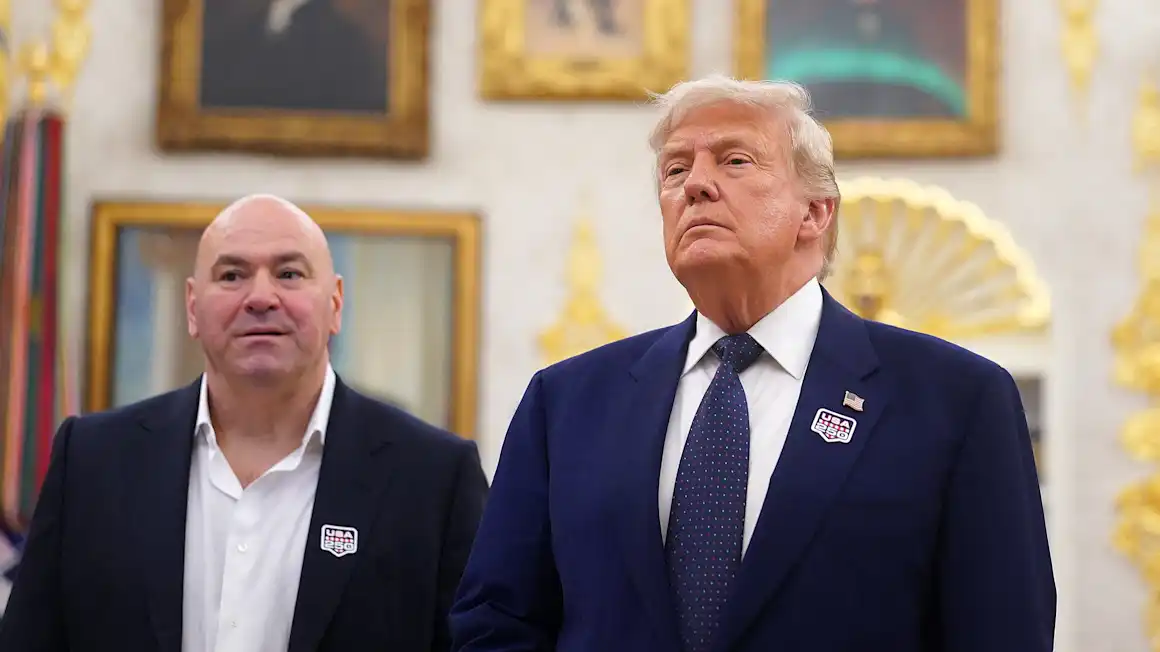
In a move that underscores a sharp shift in tone and strategy, former President Donald Trump has selected Dana White, the president of the Ultimate Fighting Championship (UFC), to serve as his new press secretary. The appointment comes at a critical juncture for the Republican Party, which suffered a notable drubbing in the recent midterm elections. This selection signals Trump's intent to adopt a more combative and unorthodox approach to managing public perception and political messaging in the wake of these electoral setbacks.
Dana White, widely recognized as the face of the mixed martial arts organization, brings a background in sports management and entertainment rather than traditional political communications. His transition from the arena to the political arena marks a significant departure from conventional press secretary roles, which are typically held by career political operatives or journalists. The choice suggests that Trump values White's ability to command media attention and handle high-pressure situations, traits honed during decades of promoting one of the world's most popular combat sports leagues.
Contextualizing the Midterm Defeats
The timing of this appointment is directly linked to the recent electoral results, which have been interpreted as a rebuke of Trump's political influence within the Republican Party. Despite Trump's efforts to back specific candidates, several key races resulted in losses that weakened the party's majority or control in critical legislative bodies. These outcomes have triggered internal reflections and strategic recalibrations within the GOP, with Trump positioning himself to reassert control over the party's narrative and direction.
By appointing White, Trump is likely aiming to disrupt the traditional political media cycle. White's reputation for directness and his experience in managing controversial figures and high-stakes promotions could be leveraged to bypass traditional press filters and communicate directly with the base. This strategy aligns with Trump's historical preference for unconventional advisors and his tendency to challenge established norms in governance and media relations.
Observers note that the midterms served as a reality check for the Trump-led faction of the Republican Party. The losses highlight the challenges of maintaining political momentum and expanding the party's appeal beyond its core supporters. In response, Trump's decision to bring in an outsider like White may be an attempt to inject fresh energy and a different type of charisma into the campaign machinery, one that is less constrained by political protocol and more focused on engagement and controversy.
Implications for Future Political Strategy
The role of press secretary is pivotal in any political campaign or administration, serving as the primary interface between the leader and the press. White's appointment raises questions about how information will be disseminated and how the administration will handle crises or sensitive issues. His lack of political experience could lead to unconventional press conferences or statements that may further polarize the public discourse.
Furthermore, this move may influence how other political figures and organizations approach media relations. If successful, White's methods could inspire a new wave of non-traditional advisors in political campaigns. However, it also risks alienating traditional media outlets and political allies who value established protocols. The political landscape is already highly charged, and any misstep in communication could have significant repercussions for the party's future electoral prospects.
As White steps into this new role, the focus will shift to how he navigates the complexities of political communication. His ability to translate the high-energy, attention-grabbing tactics of the UFC into the nuanced world of politics will be closely watched. The success or failure of this appointment could set a precedent for how political campaigns operate in an era of fragmented media and increasing political polarization.
Key takeaways
- Donald Trump has appointed UFC President Dana White as his new press secretary.
- The appointment follows significant electoral losses for the Republican Party in the recent midterms.
- White's background is in sports management and entertainment, not traditional political communications.
- The move signals a combative and unorthodox approach to political messaging and media relations.
- Observers view this as an attempt to disrupt traditional political norms and reassert Trump's influence.





