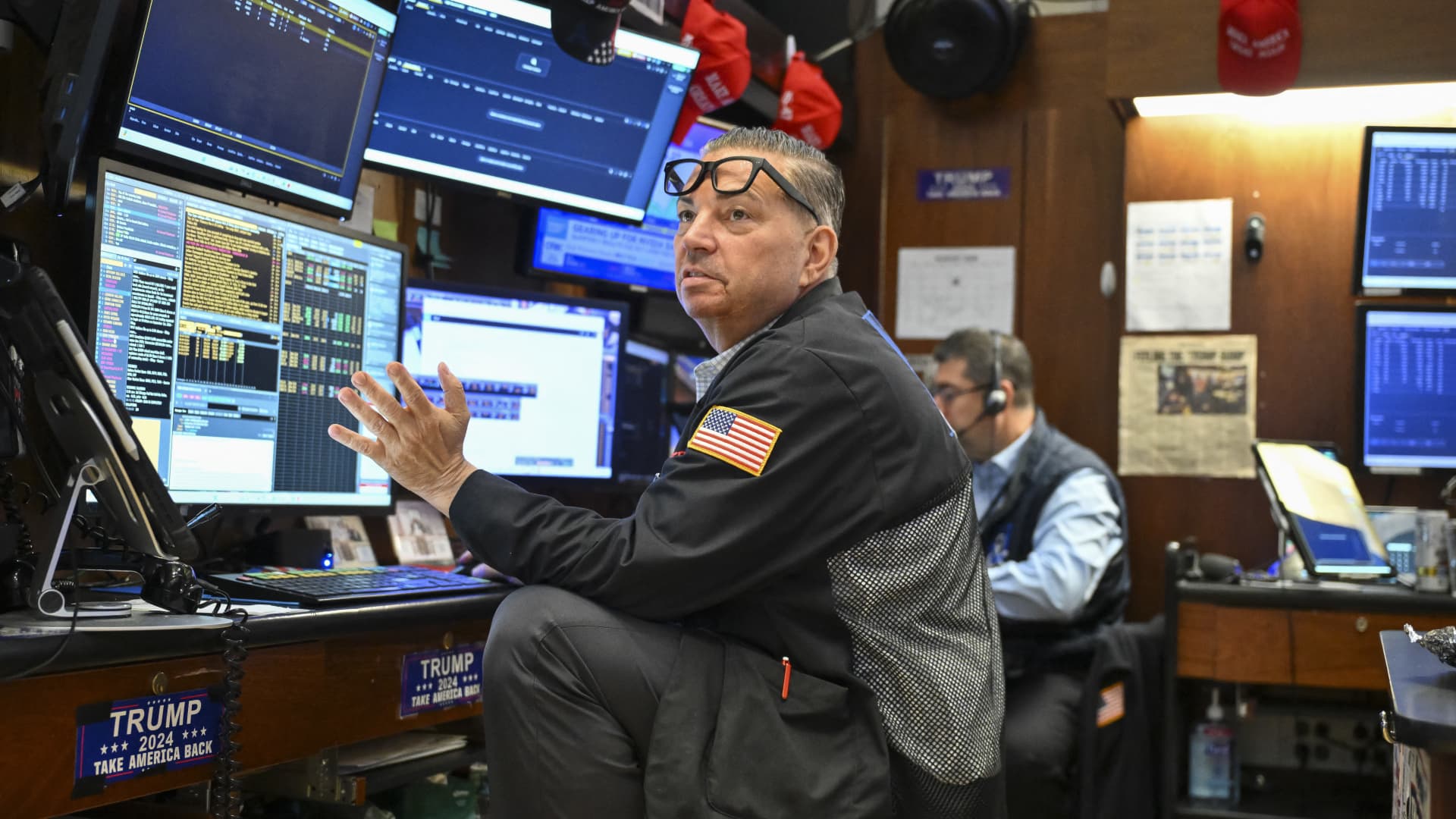
Safety Trade Dominates Market Reaction
Treasury yields fell on Tuesday night, marking a distinct shift in investor sentiment as financial markets reacted to the unfolding results of the U.S. midterm elections. The decline in yields occurred simultaneously with a broader sell-off in equity futures, driven primarily by significant political victories achieved by the Democratic Party. This movement highlights a classic flight-to-safety dynamic, where capital moves out of riskier assets and into the relative stability of government bonds when political uncertainty or adverse policy outcomes are anticipated.
The immediate catalyst for this market correction was the realization that Democrats secured key victories in the midterm elections. For many institutional and retail investors, these results carry implications for future regulatory environments, taxation, and fiscal policy. The perception of increased political risk or potential changes in the balance of power led to a rapid unwinding of long positions in the stock market. As equity prices faced downward pressure, the correlation between stock performance and bond yields became a focal point for traders navigating the volatility.
When investors anticipate a less favorable economic environment or increased government spending that could impact interest rates, they often flock to U.S. Treasuries. These securities are considered one of the safest assets globally, providing a reliable hedge against equity market turbulence. The fall in yields indicates that demand for these bonds has increased significantly. As the price of a bond rises, its yield falls, reflecting the market's willingness to accept lower returns in exchange for the security of principal preservation.
Midterm Results Spark Policy Speculation
The specific nature of the Democratic victories played a crucial role in shaping the market's trajectory. While the full legislative implications of the midterm results are still being analyzed by policy experts, the immediate market reaction suggests concerns regarding potential shifts in regulatory frameworks. Historically, midterm election outcomes have influenced market direction, with investors adjusting portfolios in anticipation of how a newly empowered or strengthened legislative branch might approach economic policy.
Equity futures serve as a leading indicator of market sentiment, often reacting more sharply to news events than the spot markets themselves. The sell-off in these futures underscores the anxiety among investors who may fear that Democratic wins could lead to policies perceived as unfavorable for corporate profitability or business growth. This anxiety was sufficient to override other positive economic data that might have otherwise supported stock prices, demonstrating the sensitivity of financial markets to political developments.
The interplay between political outcomes and asset allocation is a critical component of modern investment strategy. As the dust settles on the election results, market participants are reassessing their exposure to sectors that may be heavily regulated or impacted by potential tax reforms. The shift toward bonds is not necessarily a bearish view on the long-term economy, but rather a defensive posture aimed at capital preservation during a period of political transition and uncertainty.
Analysts note that such reactions are typical in the wake of significant political events. The key question now is whether this flight to safety is a temporary reaction or the beginning of a longer-term trend. If the political landscape remains volatile or if policy changes are implemented that alter the economic outlook, the demand for safe-haven assets could persist. Conversely, if clarity emerges regarding the scope of any new regulations, markets may stabilize and potentially rotate back into risk assets.
Looking Ahead at Market Stability
As the week progresses, investors will continue to monitor legislative developments and any subsequent statements from political leaders. The stability of Treasury yields will likely remain a barometer for market confidence in the immediate future. Any signs of increased political gridlock or unexpected policy announcements could further influence the direction of both bond and equity markets.
The current environment underscores the importance of diversification and risk management. For investors holding equity positions, the recent sell-off serves as a reminder of the potential impact of political events on portfolio value. Those with a higher risk tolerance may view the dip in equities as a buying opportunity, while more conservative investors are likely to maintain or increase their allocation to fixed-income securities.
Key takeaways
- Treasury yields declined on Tuesday night as investors moved capital into fixed-income assets.
- The shift in asset allocation was triggered by Democratic victories in the U.S. midterm elections.
- Equity futures experienced a sell-off as markets reacted to the perceived political risks associated with the election results.
- The move to bonds reflects a classic flight-to-safety strategy amid political uncertainty.
- Investors are closely monitoring legislative developments to assess the long-term economic impact of the midterm outcomes.





