Escalating Geopolitical Tensions
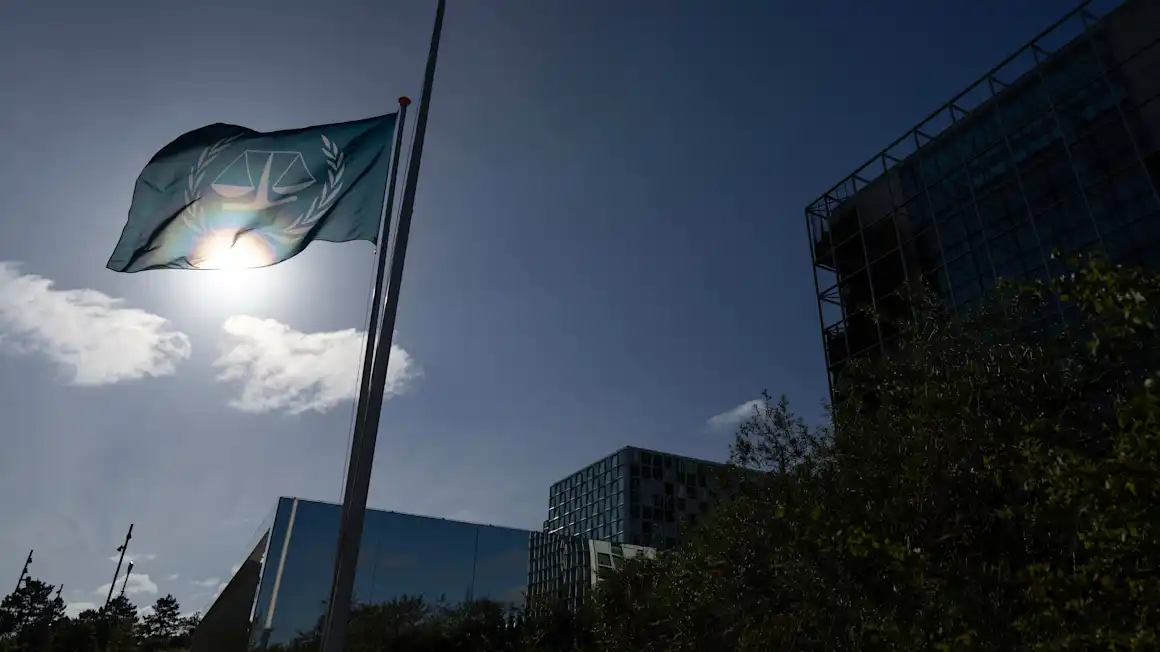
High-ranking officials within the International Criminal Court (ICC) have issued a stark warning to European governments, urging them to protect the tribunal from potential retaliation by the United States. The alert comes in response to an executive order issued by the Trump administration, which has imposed a strict deadline for most companies and entities to cease trading with the war tribunal. This development marks a significant escalation in the ongoing diplomatic friction between Washington and the international judicial body, raising concerns about the future stability of international law enforcement mechanisms.
The core of the controversy lies in the US government's determination to isolate the ICC financially and operationally. By mandating that companies halt their business dealings with the court, the administration aims to exert maximum pressure on the institution. This strategy is designed to limit the court's ability to function effectively, particularly in cases that involve US interests or its allies. The move reflects a broader shift in US foreign policy towards a more unilateral approach, prioritizing national sovereignty over international judicial cooperation.
European nations find themselves in a precarious position as they navigate these competing demands. On one hand, many European countries are signatories to the Rome Statute, the treaty that established the ICC, and are committed to supporting international justice. On the other hand, they maintain crucial economic and military alliances with the United States. The US directive places these nations in a difficult dilemma, forcing them to weigh their commitments to international law against the potential economic consequences of defying Washington. Failure to comply with the US order could result in severe penalties for European companies and individuals.
ICC officials have explicitly urged European leaders to shield the court from US sanctions, highlighting the potential for retaliatory measures if the tribunal is not protected.
The Trump administration's order has given most companies a window of 180 days to stop trading with the war tribunal. This timeframe provides a brief period for businesses to assess their exposure and adjust their operations accordingly. However, the deadline is rapidly approaching, creating a sense of urgency among financial institutions, technology firms, and other entities that have existing contracts or service agreements with the ICC. Non-compliance could lead to sanctions, loss of access to US markets, and other punitive measures that could have far-reaching implications for global commerce.
Legal experts and diplomatic analysts suggest that the US move is not merely about punishing the ICC but also about sending a message to other international bodies. By targeting the war tribunal, Washington is signaling its willingness to use economic leverage to influence the outcomes of international legal proceedings. This approach has drawn criticism from human rights organizations and international law advocates, who argue that it undermines the rule of law and sets a dangerous precedent for the future of international justice.
The potential consequences of this standoff are significant. If European companies comply with the US order, the ICC could face severe financial constraints, limiting its ability to investigate and prosecute war crimes, crimes against humanity, and genocide. This could embolden perpetrators of serious international crimes, knowing that the primary financial backer of the international justice system is actively working to dismantle it. Conversely, if European nations refuse to enforce the US sanctions, they risk damaging their relationship with the United States, potentially affecting trade agreements, security cooperation, and diplomatic support.
What Happens Next
As the 180-day deadline approaches, attention will turn to how individual European governments respond to the pressure. Some nations may choose to align with the US, citing economic pragmatism or political alignment, while others may resist, framing the issue as a defense of international law. The outcome of this standoff will likely shape the future of international relations and the role of global institutions in the coming years. Diplomatic channels are expected to remain open as both sides seek to mitigate the damage, but the underlying tensions remain high. The ICC continues to operate, but its long-term viability hangs in the balance as the world watches to see how this high-stakes diplomatic battle unfolds.
Key takeaways
- Trump administration order requires most companies to stop trading with the ICC within 180 days.
- Top ICC officials are urging European nations to shield the court from US sanctions.
- The move creates a difficult dilemma for European countries balancing US alliances and international law commitments.
- Failure to comply with the US directive could result in severe economic penalties for businesses.
- Human rights groups warn that isolating the ICC undermines the global rule of law.





