Sanctions and Fuel Prices Collide
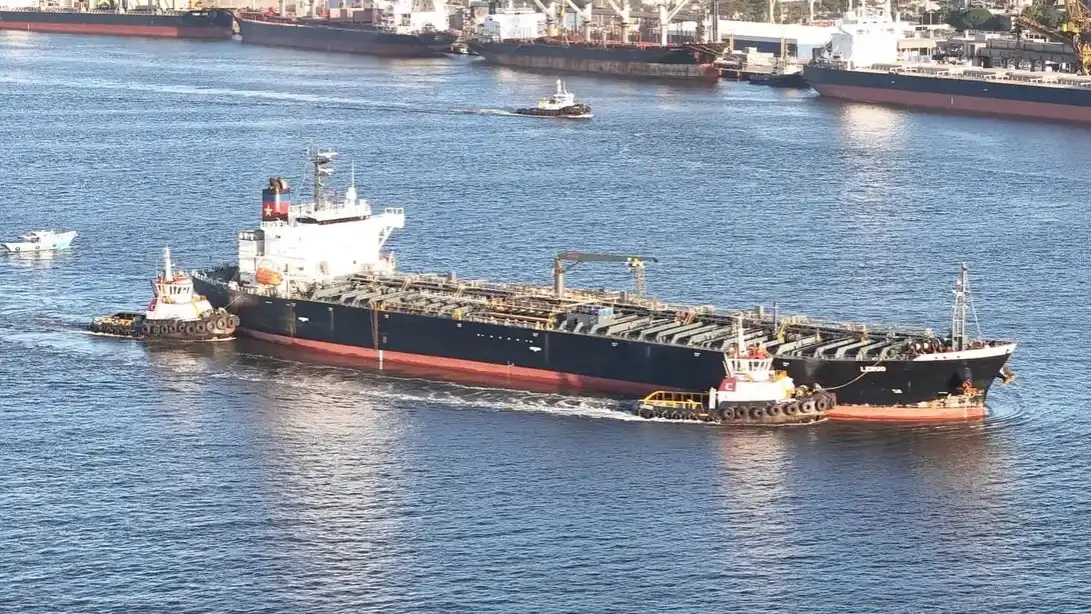
Three Russian diesel tankers have set sail for the United States, marking a significant development in the ongoing geopolitical and economic tensions between Moscow and Washington. Among the vessels is one currently under US sanctions, a detail that has immediately drawn the attention of legal experts and lawmakers. This movement occurs against the backdrop of a reported deal between Donald Trump and Vladimir Putin, an agreement ostensibly designed to ease fuel prices for American consumers but one that simultaneously exposes participating companies to severe legal threats from Congress.
The presence of a sanctioned vessel in this commercial shipment highlights the complex intersection of energy policy and international law. While the stated goal of the Trump-Putin arrangement is to reduce the cost of fuel for domestic markets, the method of achieving this through Russian logistics challenges existing regulatory frameworks. The inclusion of the sanctioned tanker suggests a pragmatic, albeit legally risky, approach to supply chain management in the current energy landscape.
Legal experts warn that companies involved in this transaction face heightened scrutiny. The Office of Foreign Assets Control (OFAC) maintains strict prohibitions on transactions involving sanctioned entities. By facilitating the transport of diesel from a sanctioned Russian source, the entities involved may find themselves in violation of existing executive orders, potentially leading to fines, asset seizures, or other punitive measures from the US Treasury Department.
Congressional reaction has been swift, with lawmakers raising concerns about the precedent set by such deals. Several members of Congress have already indicated that they may launch investigations into the legal ramifications of these shipments. The primary concern is that such agreements could undermine the integrity of US sanctions regimes, effectively allowing sanctioned entities to bypass restrictions through third-party commercial arrangements.
Political and Economic Implications
The reported deal between Trump and Putin adds a layer of political complexity to the situation. Critics argue that the pursuit of lower fuel prices should not come at the expense of national security principles or the enforcement of international sanctions. The agreement is seen by some as a concession to Russian economic interests, potentially weakening the US position in broader geopolitical negotiations.
Industry analysts note that the energy sector is particularly vulnerable to such political shifts. Companies operating in this space must navigate a labyrinth of regulations while trying to secure competitive fuel sources. The involvement of Russian tankers in the US market could lead to increased compliance costs and operational uncertainties for domestic refiners and distributors.
The timing of these shipments also raises questions about the coordination between government policy and private sector operations. If the deal is indeed a formal agreement, it suggests a level of cooperation that goes beyond typical market dynamics. This could set a precedent for future energy transactions, potentially encouraging other sanctioned nations to seek similar arrangements in exchange for resource access.
Legal threats from Congress are not merely rhetorical. Lawmakers have the power to withhold funding, impose new sanctions, or require stricter reporting requirements for companies involved in sanctioned transactions. The potential for legislative action adds a significant risk factor for any business engaging in these deals. Companies must weigh the immediate benefits of lower fuel costs against the long-term risks of regulatory backlash.
As the tankers approach US ports, the eyes of the legal and political communities remain fixed on the outcome. The resolution of this situation will likely influence future approaches to energy security and international sanctions enforcement. The interplay between economic necessity and legal compliance remains a critical issue for policymakers and industry leaders alike.
Key takeaways
- Three Russian diesel tankers are en route to the United States, including one under US sanctions.
- A reported deal between Donald Trump and Vladimir Putin aims to lower US fuel prices through Russian supply.
- Companies involved in the shipments face potential legal threats and investigations from Congress.
- The move highlights the tension between economic goals and the enforcement of international sanctions.





