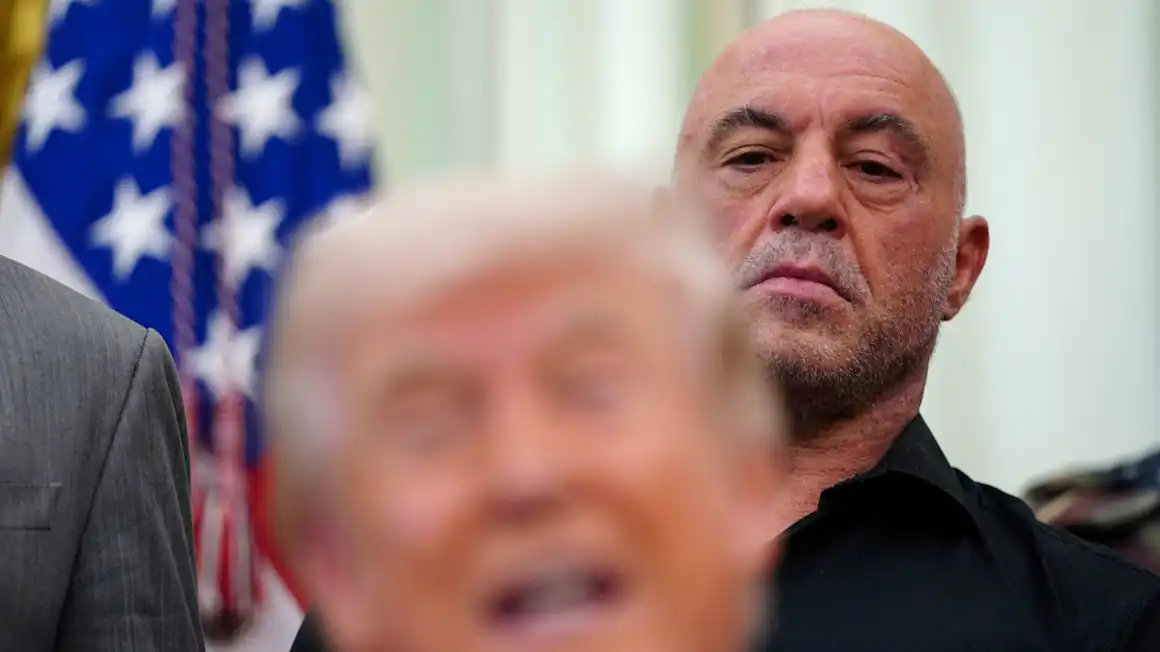
Fractured Alliances in Political Podcasting
The political podcasting landscape is undergoing a significant realignment as several high-profile shows previously aligned with Donald Trump move to distance themselves from the former president. This shift comes in the wake of the recent midterm elections, where Trump-backed candidates suffered notable defeats. The losses have triggered an internal crisis among the former president's allies, who are now engaging in a blame game over their inability to maintain a grip on the new media ecosystem.
For years, the intersection of conservative media and political campaigning created a powerful feedback loop. Podcasts served as essential fundraising and mobilization tools, often amplifying Trump's messaging directly to a dedicated audience. However, the recent electoral results suggest a growing disconnect between this media strategy and voter sentiment, leading to a reevaluation of the relationship between content creators and the political figurehead.
The Blame Game Over Media Influence
In the aftermath of the midterm defeat, Trump's inner circle has turned on one another, seeking to assign responsibility for the failure to secure victories in key races. Central to this conflict is the perception that the campaign's reliance on new media platforms was mismanaged. Allies argue that podcasters and influencers failed to translate online enthusiasm into actual votes, while others contend that the messaging was too extreme or poorly targeted.
This internal strife highlights the fragile nature of political-media alliances. The "new media landscape" is characterized by rapid shifts in audience loyalty and platform algorithms. When electoral outcomes do not align with media projections, the resulting friction often leads to public or private ruptures in partnerships. The current atmosphere is one of recrimination, with no single party willing to accept full responsibility for the strategic missteps.
"There was a lot of gaslighting," one source noted regarding the internal communications and public narratives surrounding the campaign's media strategy.
The term "gaslighting" has emerged in reports describing the internal dynamics. It refers to allegations that some allies denied the severity of the media's failure or manipulated narratives to protect their own standing within the movement. This accusation underscores the deep mistrust that has developed among those who once worked closely together to build Trump's digital empire.
Consequences for the Political Media Economy
The departure of podcast stars from Trump's orbit has immediate financial and strategic implications. These creators have historically been lucrative partners, hosting fundraising events and promoting merchandise. Their exit represents a potential loss of revenue and a reduction in the reach of Trump's message to a demographic that values independent media voices. It also signals to other political figures that the era of uncritical support from top-tier podcasters may be ending.
Furthermore, the shift suggests a broader trend in political communication. Voters and content creators alike are becoming more discerning. The ability of a media personality to simply repeat a political figure's talking points without scrutiny is no longer a guaranteed path to success or retention. The midterms served as a reality check, forcing a reassessment of how political narratives are constructed and consumed in the digital age.
As the dust settles, the focus may shift toward independent media voices that are not tied to specific political campaigns. This could lead to a more fragmented media environment where political influence is dispersed across a wider array of creators, rather than concentrated in the hands of a few loyalists. The long-term impact on how political campaigns utilize new media remains to be seen, but the current retreat indicates a cooling of the previously intense alliance.
Key takeaways
- High-profile podcasters are distancing themselves from Donald Trump following his allies' recent electoral setbacks.
- Trump's allies are currently engaging in a blame game over the loss of influence in the new media landscape.
- Internal sources describe the campaign's media strategy communications as involving "a lot of gaslighting."
- The midterm defeats have exposed a disconnect between conservative podcasting strategies and voter behavior.
- The exit of these media figures represents a potential financial and strategic loss for the former president.





