The AI Power Crunch and Nuclear Hope
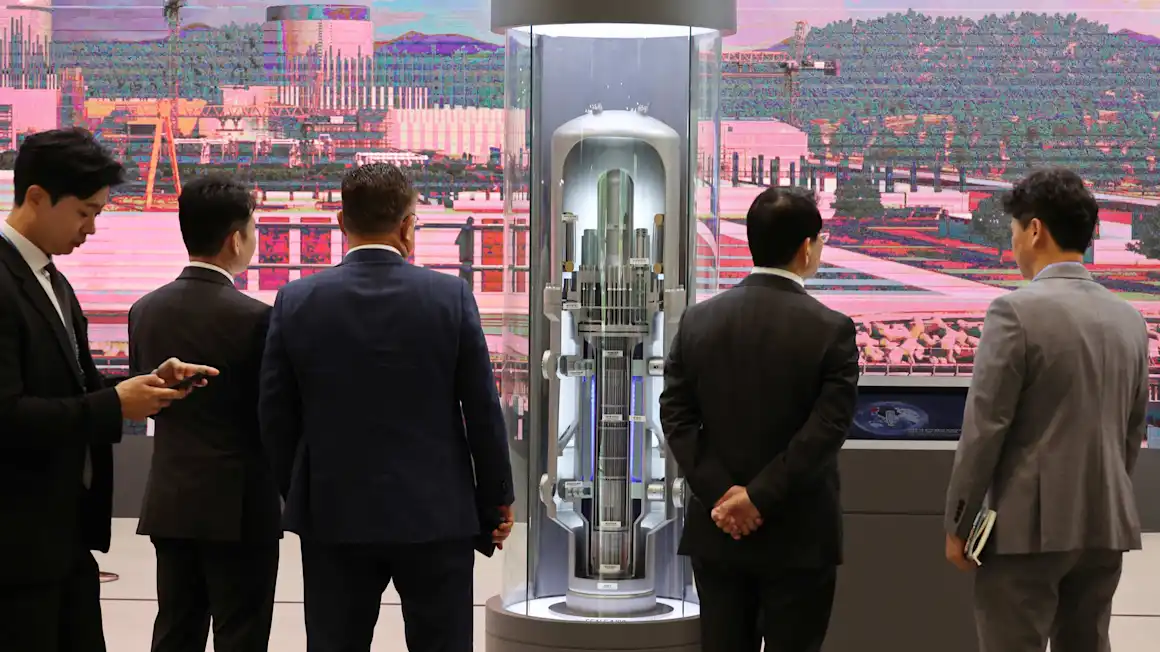
The rapid expansion of artificial intelligence has placed unprecedented strain on global energy grids. Data centers required to train and run large language models consume vast amounts of electricity, prompting tech giants and utility providers to seek stable, carbon-free baseload power sources. In this landscape, proponents of small modular reactors (SMRs) argue that nuclear technology is not just an option but a central pillar for meeting the surging energy demands of the AI data center boom. They contend that SMRs offer a scalable, reliable solution that complements intermittent renewable sources like wind and solar.
Skepticism on Economics and Timeline
Despite the enthusiasm from the tech sector, a significant counter-narrative exists among economists and energy analysts who view the push for SMRs with considerable skepticism. Critics argue that the technology represents a potential waste of time and money, citing historical precedents of nuclear projects that have faced severe cost overruns and delays. The primary concern is not the scientific feasibility of small reactors, but rather their economic viability in a competitive energy market. Skeptics point out that while the concept is sound, the industrial infrastructure required to mass-produce these units has not yet been proven at scale.
Financial analysts note that the capital expenditure required for the first-of-a-kind SMR projects is extraordinarily high. Without a proven track record of standardized, factory-built production, investors face significant uncertainty regarding return on investment. This economic risk is compounded by the long development timelines, which often stretch beyond the immediate window of urgency faced by AI companies seeking immediate power solutions. Consequently, many in the industry argue that resources might be better allocated to other low-carbon technologies that offer quicker deployment and lower financial risk.
Industry Dynamics and Future Outlook
The debate over SMRs highlights a broader tension in the energy transition between rapid technological innovation and practical economic constraints. While proponents emphasize the long-term benefits of carbon-free, high-density energy, critics warn of the opportunity costs associated with betting on unproven nuclear technology. The industry is currently at a crossroads, where the success or failure of early pilot projects will likely determine the future trajectory of nuclear investment. Stakeholders are closely watching regulatory frameworks and government subsidies, which could either accelerate adoption or stifle development depending on policy outcomes.
As the AI sector continues to grow, the pressure on energy providers to secure new sources of power will intensify. This demand may force a reevaluation of the cost-benefit analysis surrounding SMRs. However, until there is concrete evidence of cost-effective, timely deployment, the divide between optimists and pessimists is likely to persist. The coming years will serve as a critical test case for whether small nuclear reactors can transition from theoretical promise to industrial reality in the face of both technical challenges and market skepticism.
Key takeaways
- Proponents believe small modular reactors are essential for powering the growing AI data center sector.
- Skeptics argue that the technology is currently a waste of time and money due to high costs and delays.
- The debate centers on the economic viability and timeline of deploying nuclear energy solutions.
- AI-driven energy demand is increasing the urgency for stable, carbon-free baseload power sources.
- Early pilot projects will determine if SMRs can overcome historical challenges in the nuclear industry.





