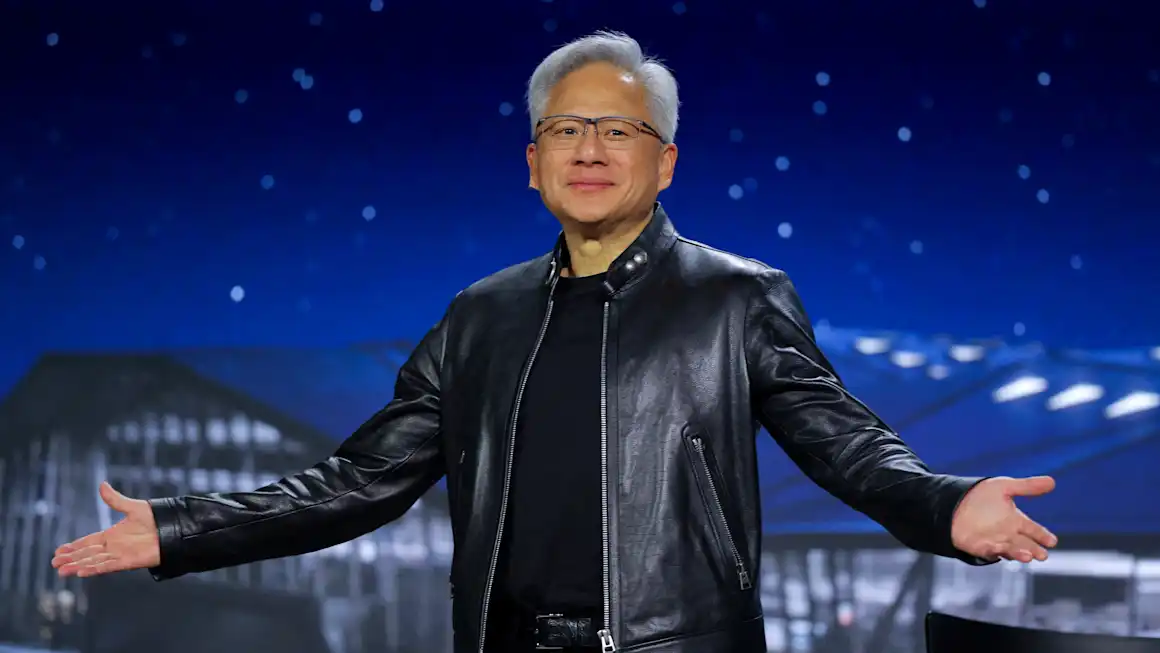
A Reversal of Fortune for Nvidia's Leader
The corporate landscape of artificial intelligence experienced a sudden and dramatic shift as Donald Trump intervened to reinstate Jensen Huang as the Chief Executive Officer of Nvidia. This development marks a significant turning point for the semiconductor giant, which had recently been embroiled in controversy following the abrupt termination of its highest-ranking executive. The reinstatement underscores the complex interplay between political influence and corporate governance in the technology sector.
Nvidia, widely recognized as a pivotal player in the global AI boom, found itself in an unusual position when Huang's employment was terminated. The circumstances surrounding the dismissal had raised immediate questions among investors, industry analysts, and regulatory bodies regarding the internal decision-making processes of the company. The swift reversal initiated by Trump has now restored Huang to his position, effectively ending a brief but highly publicized chapter in the company's history.
The intervention has been described by observers as setting a dangerous precedent. Critics argue that the external pressure exerted to reverse a corporate personnel decision could undermine the autonomy of boardrooms and the established protocols for executive management. The incident highlights the growing vulnerability of corporate leaders to political winds, raising concerns about the stability of leadership structures in major publicly traded companies.
Implications for Corporate Governance
Legal and business experts are closely analyzing the ramifications of this event. The reinstatement of Huang challenges traditional notions of shareholder rights and board authority. Typically, the dismissal and hiring of a CEO are matters handled exclusively by the company's board of directors, guided by fiduciary duties and internal bylaws. The involvement of a former president and current political figure introduces an external variable that was previously uncommon in such high-profile corporate disputes.
For the broader market, this incident serves as a case study in the intersection of politics and business. Nvidia's stock performance and market valuation have long been tied to confidence in its leadership. The uncertainty created by Huang's dismissal had already sent ripples through the tech sector, affecting investor sentiment regarding AI-related stocks. The restoration of his position aims to stabilize these sentiments, but the underlying question of how much political leverage can be exerted over corporate entities remains unresolved.
The incident also brings attention to the specific role of AI companies in the current economic climate. As Nvidia continues to supply the essential hardware for AI development, its leadership stability is of global economic interest. The swift resolution of the leadership crisis ensures that the company can continue its operations without further disruption, but the method of resolution has sparked debate about the integrity of corporate independence.
What Happens Next
As the dust settles on this leadership controversy, attention now turns to the formalities of Huang's return. The company is expected to issue official statements confirming his reinstatement and addressing the terms of his continued employment. Investors and analysts will be monitoring Nvidia's quarterly reports and strategic announcements to assess whether the leadership transition has impacted the company's operational trajectory or long-term goals.
Regulatory bodies may also review the events to determine if any securities laws were violated during the period of leadership uncertainty. The transparency of the communication between the board, the CEO, and external political actors will be scrutinized. This scrutiny could lead to stricter guidelines or precedents for handling executive disputes in the future, particularly those involving high-profile figures.
The broader implication of this event extends beyond Nvidia. It serves as a reminder of the fragile nature of corporate governance in an era of heightened political polarization. Other tech leaders and board members may find themselves re-evaluating their risk management strategies in light of this new reality. The precedent set here could influence how future disputes are handled, potentially leading to increased reliance on political channels for corporate resolutions.
Key takeaways
- Donald Trump has intervened to reinstate Jensen Huang as CEO of Nvidia following his recent termination.
- The reinstatement sets a controversial precedent regarding political influence on corporate governance decisions.
- Nvidia's leadership stability has been restored, aiming to stabilize investor sentiment in the AI sector.
- The incident raises questions about the autonomy of boardrooms in managing executive personnel matters.
- Regulatory bodies may review the events to ensure compliance with securities and corporate laws.





