Concentration of Power
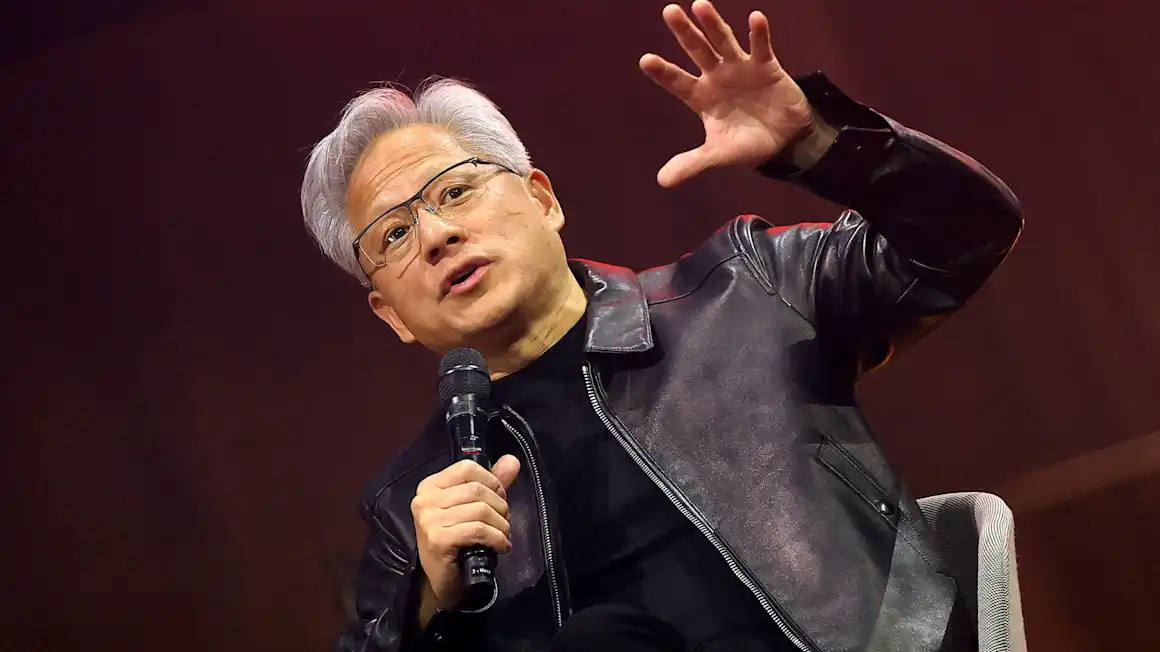
The governance structure of Nvidia Corporation has come under intense scrutiny as reports highlight the significant influence wielded by CEO Jensen Huang over the company's board of directors. Contrary to the standard corporate governance model where independent directors provide robust checks and balances, Nvidia's board appears to operate with a level of deference that suggests a lack of true autonomy. This dynamic raises critical questions about shareholder rights and the efficacy of oversight mechanisms in one of the world's most valuable technology companies.
At the heart of the issue is the dual role of Jensen Huang, who serves not only as the Chief Executive Officer but also as the Chairman of the Board. This concentration of power is rare among major public companies, particularly those in the high-stakes semiconductor industry. The arrangement allows Huang to set the agenda, control information flow, and guide strategic discussions without the counterweight of a truly independent chairperson. This structure has led critics to describe the board's independence as "artificial," suggesting that while individual directors may be technically independent, the collective body functions in lockstep with management.
Erosion of Oversight
Recent developments in board composition and voting patterns further underscore the trend of diminishing independent oversight. The board's reliance on Huang for strategic direction has been evident in key decisions, including major acquisitions and long-term technological pivots. In these instances, dissenting voices have been minimal, and the board has largely ratified management's proposals with little public debate. This pattern of unanimous or near-unanimous approval raises concerns about the depth of deliberation and the willingness of directors to challenge the CEO's vision.
The lack of rigorous challenge has implications for risk management and long-term sustainability. In an industry characterized by rapid technological change and intense competition, the absence of strong independent scrutiny could lead to strategic blind spots. Shareholders and analysts have noted that the board's failure to provide robust oversight may leave the company vulnerable to overconfidence or misallocation of resources. The perception of "artificial independence" suggests that the board serves more as a rubber stamp for management decisions rather than a guardian of shareholder interests.
Furthermore, the compensation structure of executive leadership, which is heavily tied to stock performance, adds another layer of complexity to the governance debate. While such structures are common in the tech industry, the combination of high executive pay and weak board oversight creates a potential conflict of interest. Directors may be reluctant to question compensation packages or strategic risks when they are aligned with the CEO's incentives. This alignment can further erode the independence of the board and reinforce the perception that it serves management's interests over those of shareholders.
Implications for Investors
The governance concerns at Nvidia are not isolated incidents but reflect broader trends in corporate America regarding the concentration of power in tech CEOs. As investors become more sophisticated, they are placing greater emphasis on environmental, social, and governance (ESG) criteria, including board independence. The Nvidia case serves as a cautionary tale for other companies with similar structures, highlighting the potential risks of weak oversight in high-growth industries.
Looking ahead, the pressure on Nvidia's board to demonstrate genuine independence is likely to intensify. Shareholder activists and proxy advisory firms may push for changes in board composition, such as separating the CEO and chair roles or increasing the number of independent directors. These changes could reshape the governance landscape at Nvidia, forcing the company to adapt to evolving expectations of accountability and transparency. Until such changes occur, the perception of artificial independence will remain a focal point of scrutiny for investors and regulators alike.
The debate over Nvidia's governance structure also highlights the tension between innovation and accountability. While the current model has contributed to Nvidia's remarkable success, it may not be sustainable in the long term. As the company matures and faces new competitive challenges, the need for robust independent oversight will become increasingly apparent. The board's ability to balance the CEO's visionary leadership with rigorous scrutiny will be a key determinant of Nvidia's future trajectory.
Key takeaways
- Jensen Huang serves as both CEO and Chairman, concentrating significant power in a single individual.
- The board has historically ratified management proposals with minimal dissent or public debate.
- Critics argue that the governance model creates an illusion of independence that undermines effective oversight.
- Shareholders and analysts are increasingly concerned about the lack of rigorous challenge to strategic decisions.
- The situation reflects broader trends in tech governance where CEO power often outweighs board autonomy.





