The Limits of Financial Influence
In a stark demonstration that financial clout does not always translate into electoral victory, a coordinated political spending effort by Silicon Valley’s elite and major technology firms has fallen significantly short of its goals. The campaign, which aimed to support Democratic candidates in the recent midterm elections, saw the sector collectively commit approximately $600 million in political contributions. Despite this unprecedented level of investment, the anticipated surge in support for pro-tech candidates did not materialize, marking a significant setback for the industry’s political lobbying efforts.
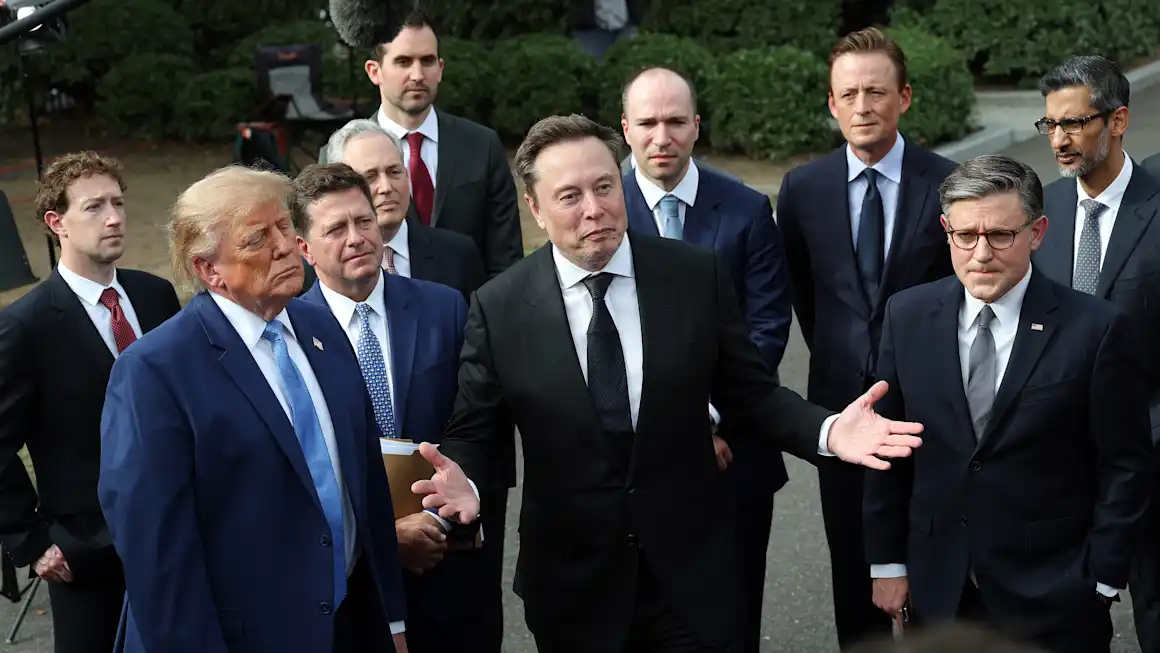
Elon Musk, the billionaire owner of X, publicly criticized the outcome of the election cycle, highlighting the disconnect between corporate spending and voter behavior. Musk’s rebuke underscores the growing frustration among some tech leaders who expected their financial resources to secure favorable regulatory and political environments. Instead, the results suggest that voters are increasingly resistant to the influence of large technology corporations, regardless of the amount of money spent on their behalf.
The failure of this high-profile campaign is largely attributed to a broader public anger regarding the rapid advancement of artificial intelligence and the perceived overreach of Silicon Valley. Voters in key districts expressed concern over the societal impacts of AI, job displacement, and the concentration of power among a few tech giants. This sentiment was strong enough to override traditional donor influence, leading to unexpected losses for candidates who had received substantial support from the tech industry.
AI and Tech Anxiety Drive Democratic Gains
Contrary to the expectations of many political analysts, the anger directed at artificial intelligence and Big Tech fueled increased support for Democratic candidates. In several competitive races, Democrats managed to hold their ground or even gain seats, leveraging public sentiment against the tech sector. This shift indicates that the narrative around technology regulation and ethics has become a central issue in political discourse, capable of mobilizing voters in ways that campaign contributions cannot easily counteract.
The midterm results serve as a warning to the technology sector that public trust is a finite resource. The campaign’s inability to convert its $600 million investment into political wins suggests that voters are prioritizing policy positions and ethical considerations over the financial backing of candidates. This dynamic marks a potential turning point in the relationship between Silicon Valley and the political establishment, forcing companies to reconsider their engagement strategies.
Political observers note that the tech industry’s previous success in influencing elections was built on a foundation of bipartisan support and a lack of public scrutiny. However, the current climate, characterized by heightened awareness of AI’s implications and growing skepticism of big business, has eroded that foundation. The recent elections have demonstrated that when voters perceive a direct threat to their economic security or personal values, financial resources become a less effective tool for shaping political outcomes.
The fallout from this electoral defeat is likely to reshape how technology companies approach political engagement in the future. Rather than relying on massive spending, firms may need to focus on grassroots advocacy and public education to build support for their policy agendas. The failure of the current strategy highlights the need for a more nuanced approach to political influence that addresses public concerns rather than ignoring them.
What Happens Next
As the dust settles on the midterm elections, the technology sector faces a new political reality. The failure of the $600 million campaign suggests that future efforts will need to be more targeted and responsive to public sentiment. Companies may face increased pressure to address issues related to AI safety, data privacy, and market competition more proactively.
For policymakers, the results provide a clear mandate to consider stricter regulations on the technology sector. The election outcomes indicate that voters are willing to punish candidates who appear too closely aligned with big tech interests. This shift could lead to a more aggressive regulatory environment in the coming years, challenging the industry’s ability to operate with the same level of autonomy as in previous cycles.
"The money didn’t work," reflecting the sentiment of many observers who noted that the massive financial investment failed to secure the desired political outcomes.
The relationship between Silicon Valley and Washington is entering a period of recalibration. The assumption that money is the ultimate currency in politics has been challenged by the recent election results. As the industry grapples with this new reality, the focus will likely shift from spending to strategy, with an emphasis on building genuine public support rather than purchasing political favor.
Key takeaways
- Major technology companies and wealthy donors collectively spent approximately $600 million to support Democratic candidates in the midterm elections.
- The political spending campaign failed to achieve its objectives, marking a significant setback for the tech industry's political influence.
- Elon Musk publicly criticized the election results, highlighting the disconnect between corporate spending and voter behavior.
- Public anger regarding artificial intelligence and the influence of Big Tech fueled increased support for Democratic candidates.
- The election results suggest that voters are increasingly resistant to the political influence of large technology corporations.





