A Defining Political Moment
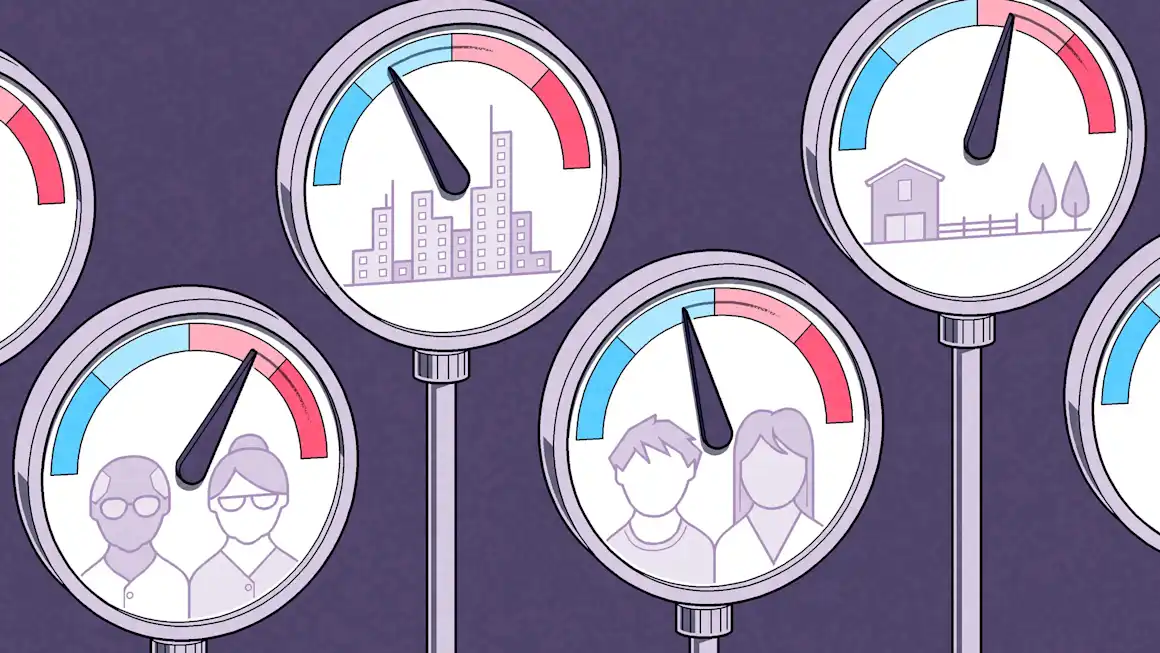
This week marks a significant juncture in the American political calendar, as the midterm elections unfold across the nation. These elections are widely regarded by political analysts and historians as a critical barometer for the health of the incumbent administration and the prevailing mood of the electorate. The outcome will not only determine the composition of Congress but also signal the public's stance on the current political direction and policy priorities.
The midterm elections hold a unique place in the U.S. political system, often serving as a referendum on the party holding the White House. Historically, the president's party tends to lose seats in Congress during midterms, a trend that political observers are closely watching this cycle. The results will provide a clear indication of whether voters are seeking continuity or change in their federal representation.
Implications for Future Governance
The results of these elections will have profound implications for the legislative agenda of the coming years. Control of the House and Senate will dictate the pace and scope of policy changes, particularly in areas such as economic regulation, healthcare, and environmental policy. A shift in power could lead to a gridlock in Congress, while a retention of the status quo might enable the continuation of the current administration's priorities.
Furthermore, the midterm results will influence the strategic planning of both major political parties as they look toward the next presidential election. The performance of candidates in key swing districts and states will inform recruitment strategies, messaging, and resource allocation for future campaigns. This election serves as a litmus test for the organizational strength and appeal of both the Democratic and Republican parties.
Local and state-level races, which are often overshadowed by federal contests, will also see significant shifts. These elections determine governors, attorneys general, and state legislators who wield considerable power over education, infrastructure, and criminal justice. The outcomes in these races will affect the daily lives of citizens in ways that are often immediate and tangible.
What the Results Will Reveal
As the votes are counted, several key indicators will emerge regarding the political landscape. Voter turnout will be a primary metric, with high participation often reflecting strong engagement with political issues. Demographic shifts in the electorate, including the role of young voters, suburban women, and minority groups, will provide deeper insights into the evolving political allegiances in the United States.
Additionally, the performance of incumbents versus challengers will highlight the level of satisfaction with current leadership. Incumbents who face primary challenges from their own party or strong general election opponents may signal internal dissatisfaction or a desire for a different approach. Conversely, strong incumbent performance can indicate stability and confidence in the current political establishment.
The national discourse surrounding issues such as inflation, crime, immigration, and social rights will also be reflected in the voting patterns. Candidates who effectively address these concerns are likely to fare better, providing a roadmap for how political messaging resonates with the electorate. The results will offer a snapshot of the priorities and concerns of American voters in the current economic and social climate.
Key takeaways
- The midterm elections serve as a critical referendum on the current administration and political direction.
- Historical trends suggest the president's party may face challenges in retaining congressional seats.
- Control of Congress will significantly impact the legislative agenda and policy changes in the coming years.
- State and local races will determine key officials who influence education, infrastructure, and criminal justice.
- Voter turnout and demographic shifts will provide insights into the evolving political landscape.
- The performance of incumbents and challengers will highlight levels of public satisfaction and engagement.





