Enforcement Actions in Academia
Immigration enforcement operations have recently targeted individuals within the American academic sector, drawing significant attention and criticism from various observers. The actions are part of a broader strategy attributed to the Trump administration to intensify scrutiny and enforcement regarding the status of foreign nationals in the United States. Critics argue that these measures are having a disruptive impact on educational institutions and the broader research community.
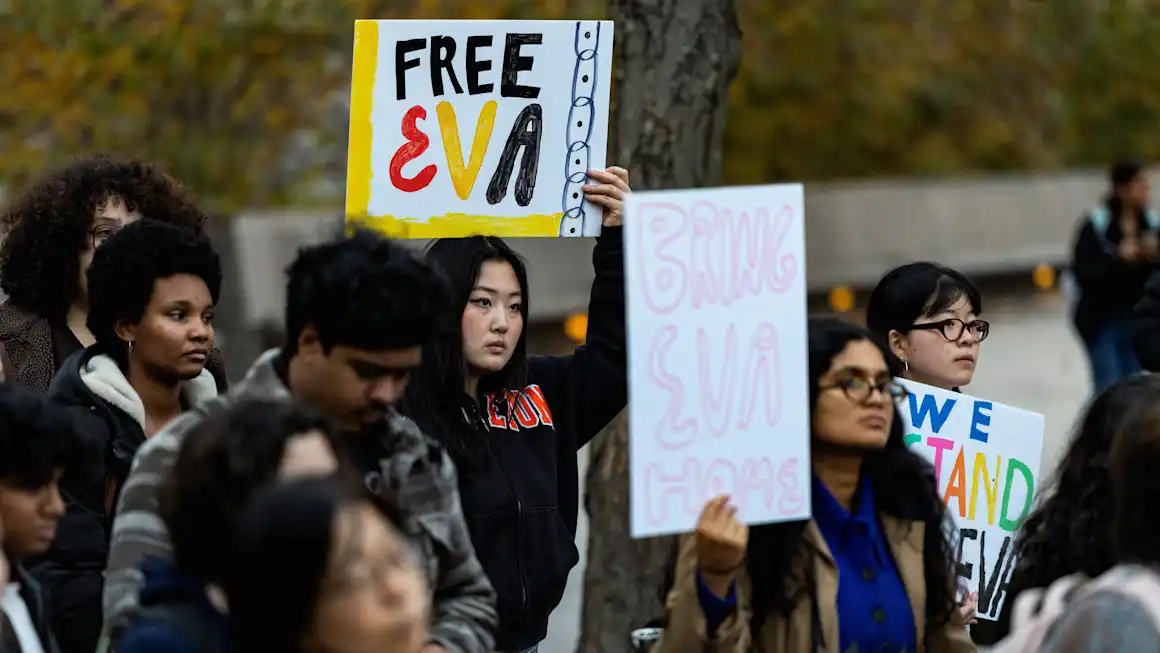
Among those affected in these recent operations is Eva Yi Xie, a PhD student. Reports indicate that her detention is one of several cases highlighting the increasing reach of immigration authorities into university environments. The specific circumstances surrounding her case have been cited by critics as evidence of an escalated crackdown on non-citizen students and scholars.
Broader Implications for Institutions
The detention of PhD students and other academic affiliates has raised concerns about the stability of research programs and the international reputation of American universities. These institutions often rely heavily on the contributions of foreign-born researchers and students to maintain their global competitiveness. The enforcement actions suggest a shift in policy priorities, moving towards stricter verification and removal processes for those in academic roles.
Observers note that the timing and nature of these raids coincide with a general trend of heightened immigration enforcement under the current administration. The administration has previously stated its intent to prioritize the enforcement of immigration laws, particularly regarding individuals who may be in the country without proper authorization or whose visa status is in question. Academic settings have become a focal point for these efforts, according to reports.
Critics of the administration's approach argue that the raids are causing unnecessary havoc within the academic community. They contend that targeting students and researchers undermines the collaborative nature of scientific and scholarly work. The disruption extends beyond individual cases, potentially affecting ongoing projects, mentorship relationships, and the overall morale of university campuses.
The situation highlights the complex intersection of immigration policy and higher education. Universities must navigate the legal requirements for employing and housing international students and faculty while responding to federal enforcement actions. This dynamic creates uncertainty for institutions that have historically welcomed international talent as a key component of their academic mission.
Reactions and Future Outlook
Reactions to the enforcement actions have been mixed but include strong pushback from those who view the raids as excessive or counterproductive. The administration maintains that strict enforcement is necessary to uphold the integrity of the immigration system. However, the specific impact on the academic sector has sparked debate about the balance between security and the preservation of educational excellence.
As the situation develops, further details regarding the scope of the operations and the number of individuals affected may emerge. The legal and administrative processes surrounding these detentions will likely continue to unfold, with potential implications for future policy and institutional practices. The academic community remains closely monitoring these developments as they assess the long-term effects on their operations and international partnerships.
Key takeaways
- Immigration enforcement actions have targeted individuals within American academic institutions, including PhD students.
- Observers link these raids to an escalated crackdown by the Trump administration on visa holders and foreign nationals.
- The detention of Eva Yi Xie is cited as a specific example of the impact on students.
- Critics argue that the enforcement is disrupting academic research and university operations.
- The actions highlight growing tensions between immigration enforcement policies and the needs of higher education institutions.





