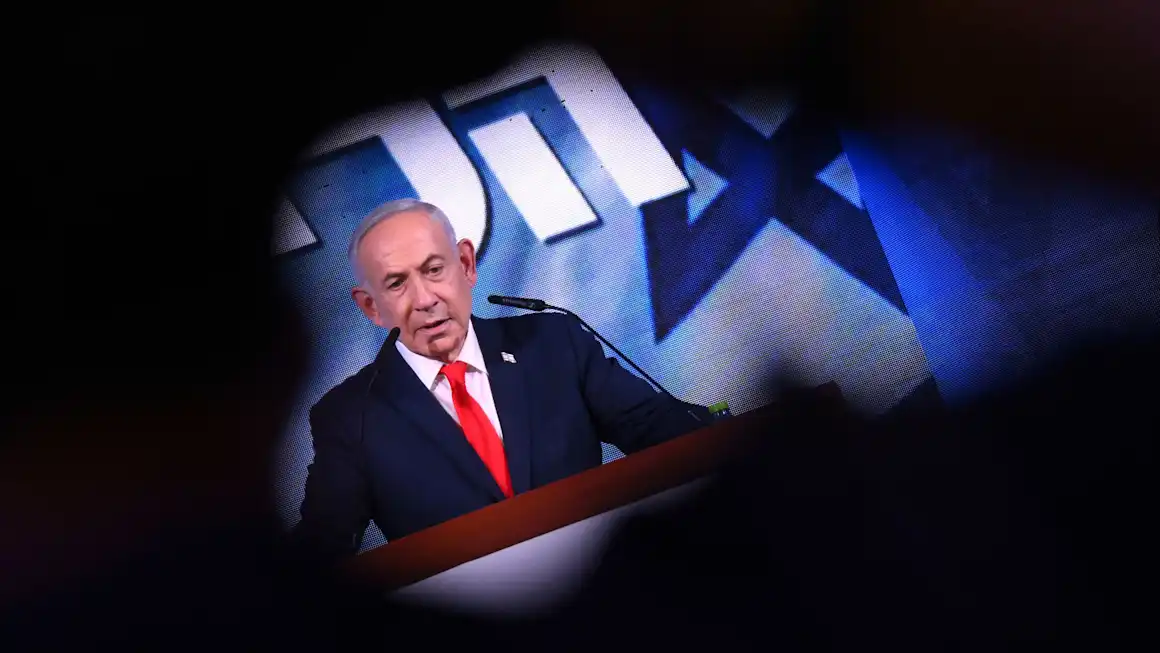
Election Results Defy Liberal Expectations
Despite widespread anticipation among liberal factions that the upcoming Israeli elections would result in a significant shift away from the current administration, preliminary data suggests otherwise. The veteran leader, Benjamin Netanyahu, appears to have secured a viable path back to government, challenging the narrative that the electorate was ready to reject his long-standing political dominance. This outcome underscores the complex interplay between ideological preferences and immediate security concerns that define the current political landscape in Israel.
The election results highlight a stark divergence between the expectations of political analysts and the actual voting behavior of the Israeli public. While many observers predicted that fatigue with the current leadership would translate into votes for opposition parties, the reality on the ground suggests that fear and uncertainty have played a more decisive role in shaping voter decisions. This dynamic has allowed Netanyahu's coalition to maintain its footing or even strengthen its position, depending on the final seat allocations.
The Security Dilemma and Voter Anxiety
A primary factor influencing the election outcome is the pervasive sense of insecurity felt by the Israeli electorate. The ongoing conflict and regional tensions have created an environment where voters prioritize stability and strong leadership over ideological shifts. This "fear factor" has effectively bolstered Netanyahu's standing, as many citizens view his experience and perceived toughness as essential for national security. The anxiety surrounding border safety and internal stability has overshadowed other political issues, such as judicial reform or economic policy, in the minds of many voters.
Liberal hopes for a government led by opposition figures who advocate for different security strategies or a more conciliatory approach have been dampened by these prevailing sentiments. The electorate appears to be responding to the immediate threats facing the nation rather than abstract political principles. This shift in priority has marginalized the liberal agenda, which often emphasizes diplomatic solutions and internal reforms, in favor of a hardline stance on security matters.
The veteran leader's ability to capitalize on these fears demonstrates his enduring political acumen. By framing the election as a choice between security and vulnerability, Netanyahu has effectively rallied his base and attracted undecided voters who are concerned about the potential consequences of a change in leadership. This strategy has proven resilient despite previous controversies and legal challenges that have threatened his political career in the past.
Implications for Future Governance
The anticipated return of Netanyahu to the government raises questions about the future direction of Israeli policy. With a renewed mandate, the Prime Minister is likely to continue his focus on security and defense, potentially at the expense of other domestic priorities. The coalition government that emerges will likely be composed of parties that share a hardline stance on security, which could limit the scope for political compromise and dialogue.
Furthermore, the election results may have implications for Israel's international relations. A government led by Netanyahu is expected to maintain a tough posture in negotiations with Palestine and in dealings with regional actors. This could complicate efforts to normalize relations with other countries or to resolve long-standing conflicts. The international community will be watching closely to see how the new administration navigates these complex geopolitical challenges.
Domestically, the victory of the current leadership may deepen political divisions within Israeli society. The defeat of liberal hopes for change could lead to increased polarization and social unrest, particularly among those who feel that their voices have been marginalized. The government will need to address these concerns to maintain social cohesion and legitimacy.
Key takeaways
- Benjamin Netanyahu appears to have a path back to government despite liberal expectations of an electoral shift.
- Voter anxiety over security and regional instability has played a decisive role in the election outcome.
- The "fear factor" has overshadowed ideological preferences, bolstering the veteran leader's standing.
- Liberal hopes for political change have been dampened by the electorate's prioritization of national security.
- The anticipated return of Netanyahu raises questions about future security policy and international relations.





