Market Correction Driven by Valuation Concerns
The recent downturn in the artificial intelligence sector has drawn significant attention from market observers and investors alike. This sell-off, characterized by sharp declines in the valuations of major technology companies heavily invested in AI infrastructure, has led to a reevaluation of growth expectations. The market correction appears to be driven by a convergence of factors, including heightened sensitivity to valuation metrics and a broader reassessment of near-term profitability timelines. Analysts note that the rapid pace of capital expenditure by hyperscalers has outstripped immediate revenue realization, creating a temporary disconnect between stock prices and underlying business fundamentals.
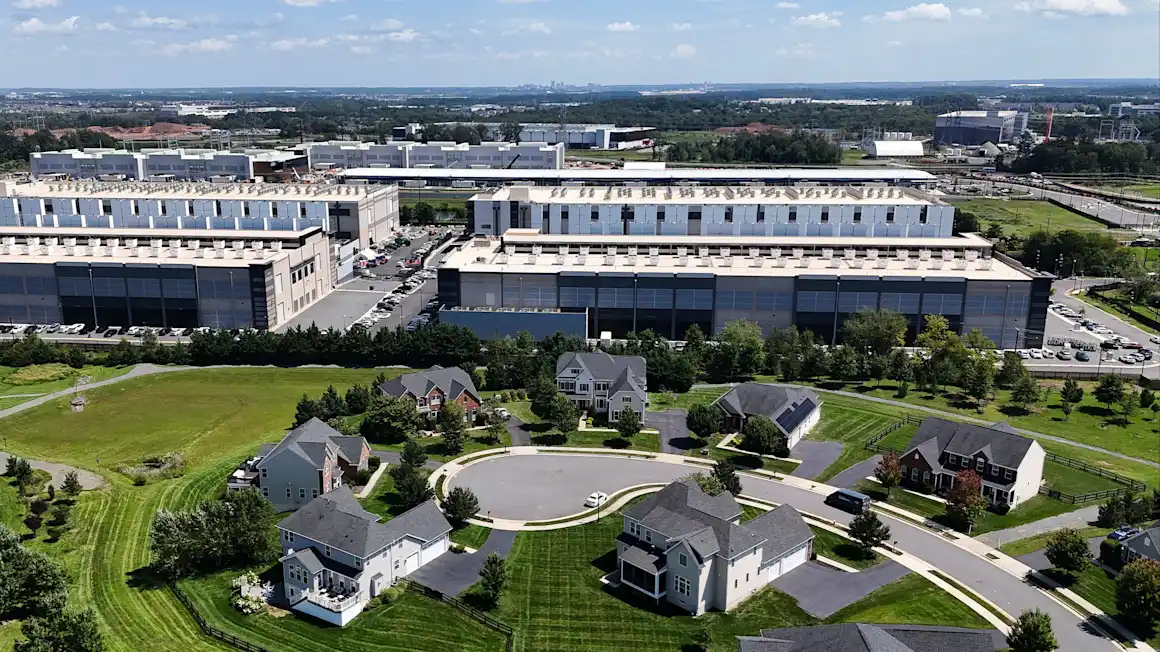
Despite the bearish sentiment surrounding the sector, the investment case for hyperscalers is being bolstered by several converging structural factors. These large-scale technology providers are not merely participating in the AI boom but are actively shaping the infrastructure that will support it for years to come. The scale of their operations, combined with their dominant market positions, provides a level of resilience that smaller competitors often lack. Furthermore, the continued adoption of generative AI across various industries is driving sustained demand for cloud computing resources, which form the backbone of these hyperscalers' business models.
Structural Advantages of Hyperscalers
Hyperscalers possess unique advantages that position them favorably within the evolving AI landscape. Their extensive data centers, proprietary hardware, and vast software ecosystems create high barriers to entry for new competitors. This moat allows them to maintain pricing power and secure long-term contracts with enterprise clients. Additionally, their ability to invest heavily in research and development ensures that they remain at the forefront of technological innovation. These factors contribute to a stronger investment case, suggesting that the current market volatility may present an opportunity for long-term investors rather than a signal to exit.
The financial metrics of these companies indicate a robust underlying health, despite the recent stock price fluctuations. Revenue growth in cloud computing segments continues to outpace broader market averages, driven by increased demand for AI workloads. Operating margins remain healthy, supported by economies of scale and efficient resource utilization. The balance sheets of these hyperscalers are generally strong, allowing them to continue investing in capital-intensive projects without compromising financial stability. This financial resilience is a key factor in the argument that the current sell-off is an overreaction to short-term market dynamics.
Looking Ahead: Stability Amidst Volatility
As the market digests the recent sell-off, attention is turning to the long-term implications for the AI sector. The consensus among many analysts is that while short-term volatility is expected to persist, the long-term growth trajectory for hyperscalers remains intact. The integration of AI into core business processes across industries is a gradual but irreversible trend. This trend is likely to drive sustained demand for the infrastructure services provided by hyperscalers. Investors are advised to focus on the fundamental strength of these companies rather than reacting to short-term price movements.
"Several factors have converged to strengthen the investment case for hyperscalers," noting that the structural advantages of scale, data access, and ecosystem integration continue to support long-term value creation despite recent market turbulence.
The narrative surrounding AI stocks is shifting from speculative growth to fundamental value. Companies that can demonstrate clear pathways to monetizing their AI investments are likely to outperform those relying solely on hype. Hyperscalers, with their diverse revenue streams and established customer bases, are well-positioned to navigate this transition. The focus is increasingly on sustainable growth and profitability, rather than rapid expansion at all costs. This shift in investor sentiment is contributing to a more rational pricing of AI-related assets.
Looking forward, the sector is expected to see continued consolidation and strategic partnerships. Hyperscalers are likely to deepen their collaborations with software vendors and industry-specific solution providers. These partnerships will enable them to offer more comprehensive AI solutions to enterprise clients, further solidifying their market position. The regulatory landscape is also evolving, with governments worldwide implementing frameworks for AI governance. Hyperscalers are actively engaging with policymakers to shape these regulations, ensuring that they can continue to operate effectively in a compliant manner.
Key takeaways
- Recent volatility in AI stocks is driven by valuation concerns and a reassessment of near-term profitability timelines.
- Hyperscalers possess structural advantages including proprietary hardware, vast data ecosystems, and high barriers to entry.
- Cloud computing revenue growth continues to outpace broader market averages, driven by sustained demand for AI workloads.
- Financial metrics indicate robust underlying health, with healthy operating margins and strong balance sheets.
- The long-term integration of AI into enterprise processes supports a sustained demand for hyperscaler infrastructure.
- Investor sentiment is shifting from speculative growth to a focus on fundamental value and sustainable profitability.





