The Autonomous Founder
A significant shift is occurring in the landscape of entrepreneurship as founders increasingly deploy artificial intelligence agents to manage essential operational roles. This technological advancement allows a single individual or a small team to handle responsibilities that previously required a full staff, ranging from marketing campaigns to the construction of physical laboratory spaces. The ability to automate complex workflows is reducing the barrier to entry for launching a business, effectively decoupling company growth from traditional headcount metrics.
The core of this transformation lies in the deployment of software agents capable of executing tasks with minimal human intervention. These agents are not merely tools for assistance but are becoming primary actors in the business ecosystem. They can independently manage customer interactions, process financial data, and even coordinate with other digital services. This level of autonomy enables startups to operate at a scale that was previously unattainable without substantial human resources and capital expenditure.
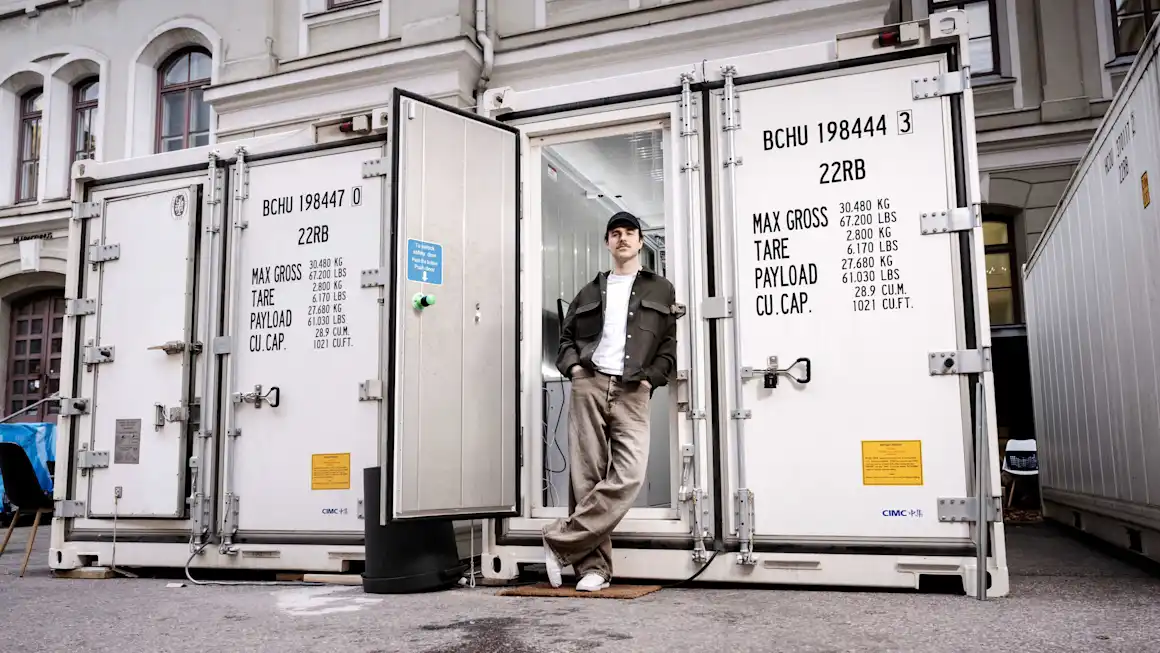
One of the most striking applications of this technology is in the realm of physical infrastructure. Founders are now using AI agents to oversee the building of laboratories and other specialized facilities. This capability suggests that the digital nature of AI is extending into the physical world, allowing for the management of tangible assets and complex logistical projects. The integration of AI into physical operations marks a departure from purely software-based solutions, indicating a broader applicability of autonomous systems across various industries.
Marketing functions, traditionally labor-intensive, are also being automated. AI agents can generate content, analyze market trends, and execute targeted advertising campaigns without direct human oversight. This automation allows startups to maintain a robust market presence and engage with potential customers efficiently. The reduction in manual marketing efforts frees up founders to focus on strategic planning and product development, rather than getting bogged down in day-to-day promotional activities.
Operational Efficiency and New Challenges
The adoption of AI agents for startup operations raises questions about the future of work and the structure of modern businesses. As companies become more autonomous, the traditional organizational hierarchy may become obsolete. In a zero-employee startup, the distinction between management and execution blurs, as the AI agents perform both roles. This shift could lead to a more agile and responsive business model, capable of pivoting quickly in response to market changes.
However, the reliance on AI agents also introduces new challenges. Ensuring the accuracy and reliability of autonomous systems is critical, as errors can have significant consequences. Founders must implement robust oversight mechanisms to monitor the actions of AI agents and intervene when necessary. Additionally, ethical considerations regarding data privacy and decision-making transparency must be addressed as these systems become more integral to business operations.
The trend of using AI agents to run startups is likely to accelerate as the technology matures. Early adopters are demonstrating that it is possible to launch and scale a business with minimal human intervention. This could lead to an increase in the number of micro-enterprises and solo ventures, fundamentally altering the competitive landscape. Established companies may need to adapt their strategies to compete with these highly efficient, low-overhead rivals.
Investors and stakeholders are closely watching this development. The potential for higher margins and faster growth makes zero-employee startups an attractive proposition. However, the long-term sustainability of such models remains to be seen. Questions about scalability, resilience, and the ability to handle complex, unstructured problems persist. The coming years will likely see a trial period where the successes and failures of these autonomous ventures will provide valuable insights.
Looking Ahead
As the technology continues to evolve, the role of the founder will likely shift from operator to strategist. The ability to design, manage, and refine AI agents will become a key skill for entrepreneurs. This new paradigm promises to democratize entrepreneurship, allowing individuals with limited resources to compete on a global scale. The emergence of the zero-employee startup represents a fundamental change in how businesses are conceived, built, and managed.
Key takeaways
- Founders are increasingly using AI agents to handle critical roles such as marketing and laboratory construction.
- Autonomous software agents can execute complex tasks with minimal human intervention, reducing the need for staff.
- The integration of AI into physical operations allows for the management of tangible assets like labs.
- Marketing functions are being automated, enabling startups to maintain market presence with fewer resources.
- The rise of zero-employee startups challenges traditional business hierarchies and organizational structures.