Global Ripples Hit Asian Markets
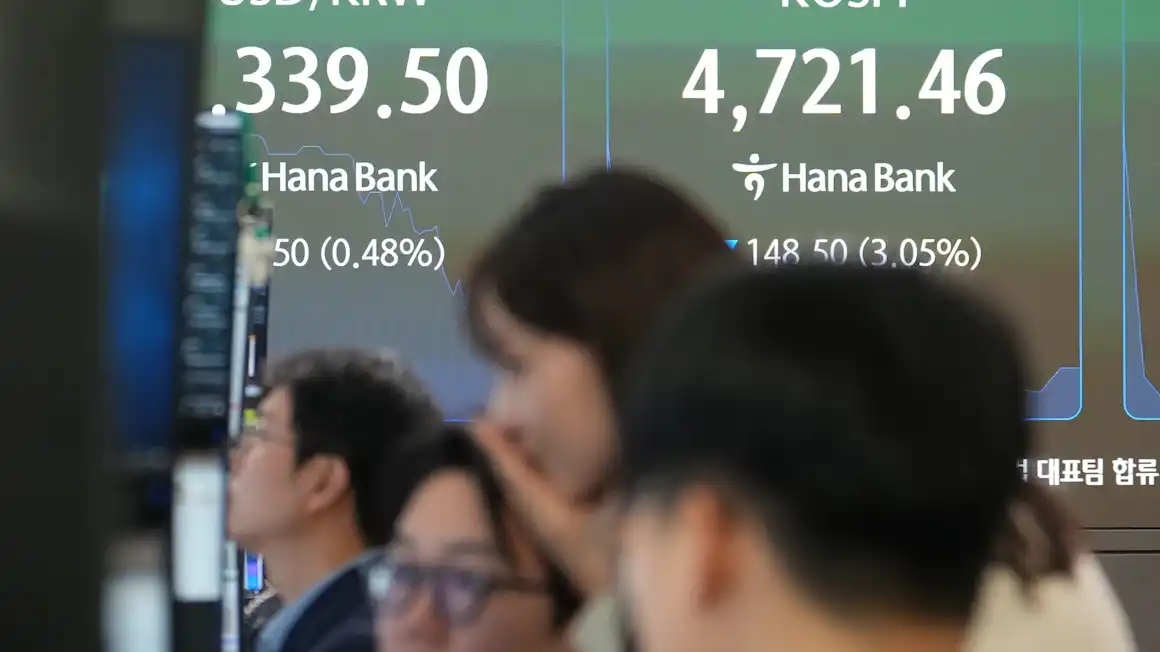
Technology stocks across Asia experienced a significant downturn, marking a continuation of the volatility that has gripped global financial markets. The sell-off was particularly pronounced in South Korea, where the benchmark index slid by more than 3%. This sharp decline underscores the sensitivity of Asian tech sectors to broader macroeconomic shifts and investor sentiment changes originating in Western markets.
The movement in Asian markets did not occur in isolation. It closely followed a period of heavy declines on Wall Street during the previous Friday. The correlation between the two major financial hubs suggests that the initial shockwaves from the United States have rapidly transmitted across the Pacific, impacting investor confidence and trading volumes in the region. This synchronized movement highlights the increasingly interconnected nature of global equity markets, where distress in one major economy can quickly precipitate reactions in others.
Investors are closely monitoring the trajectory of these losses to determine if this represents a temporary correction or the beginning of a more sustained downtrend. The tech sector, known for its high growth potential and volatility, often serves as a barometer for risk appetite. When technology stocks face such steep declines, it typically indicates a broader retreat from riskier assets as investors seek safety or reassess their exposure to growth-oriented equities.
Korea’s Sharp Reversal
South Korea’s performance stood out as a focal point of the day’s trading activity. The more than 3% slide in the local tech-heavy indices exceeded many pre-market expectations, signaling a strong sell-off pressure. This decline affects not only domestic investors but also international funds with significant exposure to Korean technology firms, which are major players in the global supply chain for semiconductors and electronics.
The magnitude of the drop in Korea suggests that local investors may be reacting to both global cues and domestic concerns. While the input data points to the Wall Street connection as a primary driver, the depth of the slide in Korea implies that internal market dynamics may be amplifying the external shock. Traders are analyzing whether the selling is driven by algorithmic trading responses, institutional rebalancing, or fundamental reassessments of corporate earnings prospects in the tech sector.
Looking Ahead: Market Sentiment and Volatility
As the trading day progresses, attention turns to how these losses might influence subsequent sessions. The rapid transmission of sell-offs from Wall Street to Asia indicates that market participants are highly reactive to news and price movements in the United States. Any further developments in US economic data or corporate earnings reports could exacerbate or alleviate the pressure on Asian tech stocks.
Market analysts are watching for stabilization signals. If the selling momentum continues, it could lead to increased volatility across the region, potentially affecting currency values and bond yields as well. Conversely, if buyers step in to absorb the sell-off, it might indicate that the initial reaction was an overcorrection. The coming days will be critical in determining whether the current trend is a short-term fluctuation or a more structural shift in investor behavior towards the technology sector.
The interplay between global macroeconomic factors and regional market specifics will remain a key theme. Investors are advised to remain vigilant, as the tech sector’s sensitivity to interest rate expectations and global growth forecasts continues to drive significant price swings. The current sell-off serves as a reminder of the risks inherent in high-growth asset classes during periods of market uncertainty.
Key takeaways
- Asian technology stocks are facing a widespread sell-off, driven by renewed risk aversion.
- South Korea’s tech index fell by more than 3%, significantly outpacing broader market declines.
- The downturn mirrors heavy losses recorded on Wall Street the previous Friday, indicating strong cross-market correlation.
- The rapid transmission of volatility highlights the interconnectedness of global financial systems.
- Investors are closely monitoring whether this trend represents a temporary correction or a sustained shift in sentiment.





