Valuation Pressures Mount
SoftBank Group Corp. is currently navigating a challenging financial landscape as it prepares to release its quarterly earnings report. The conglomerate’s founder, Masayoshi Son, is facing significant pressure from the falling market values of the company’s extensive holdings. This decline in asset prices underscores the inherent risks tied to SoftBank’s aggressive strategy of backing artificial intelligence ventures, a core pillar of its investment thesis for the coming decade.
The recent broader sell-off in technology stocks has had a ripple effect across the investment community, disproportionately impacting high-growth, high-valuation portfolios like SoftBank’s Vision Fund. Investors are closely watching how these market dynamics will translate into the company’s bottom line, particularly as the firm attempts to balance its massive AI bets against the current economic reality of tightening valuations.
SoftBank’s portfolio includes stakes in numerous high-profile technology companies that have seen their stock prices fluctuate wildly. The current market environment, characterized by increased volatility and a re-evaluation of tech valuations, has exacerbated the unrealized losses on these positions. For a company that has staked its future on the transformative potential of AI, these short-term valuation hits present a critical test of its long-term strategy.
The Founder’s Dilemma
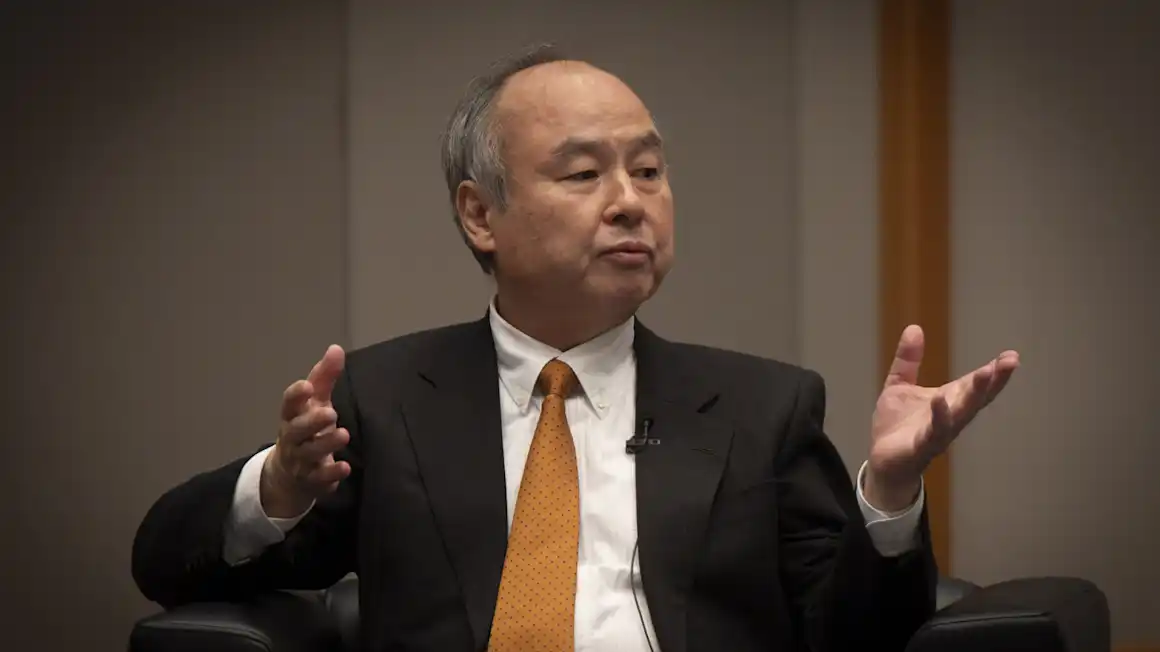
At the center of this financial scrutiny is Masayoshi Son, whose visionary but often volatile approach to investing has defined SoftBank’s trajectory. Son has long championed the idea that AI will reshape the global economy, leading to substantial capital deployment in startups and established tech giants alike. However, the current market correction forces a reckoning with the timing and magnitude of these commitments.
As earnings approaches, the focus shifts to how SoftBank accounts for these paper losses and what steps management might take to stabilize its balance sheet. The company’s ability to manage its liquidity and maintain confidence among institutional investors will be crucial in the coming weeks. Any significant deterioration in the reported value of its assets could trigger broader concerns about the sustainability of its leverage and investment pace.
Analysts note that the tech sector has been particularly sensitive to interest rate expectations and shifting sentiment regarding the profitability of AI investments. SoftBank, with its heavy concentration in this sector, is unable to insulate itself from these macroeconomic trends. The falling values of its holdings are not just a reflection of SoftBank’s specific choices but also a symptom of the wider market’s reassessment of growth stocks.
Looking Ahead
The upcoming earnings report will serve as a barometer for how well SoftBank is weathering the storm. Market participants will be looking for details on the performance of its core businesses, which provide some stability, alongside the more volatile investment arm. The interplay between these two segments will determine whether SoftBank can continue its aggressive AI strategy or if it must pivot to preserve capital.
The broader implications extend beyond SoftBank itself. As one of the most visible and influential investors in the tech space, SoftBank’s struggles or successes often signal trends for the wider industry. A continued decline in its portfolio value could dampen sentiment for other AI-focused funds and startups seeking capital, potentially slowing the pace of innovation or forcing a consolidation in the sector.
Key takeaways
- SoftBank faces declining asset values ahead of its upcoming earnings report due to a broader tech sell-off.
- Founder Masayoshi Son is under pressure as the company’s massive AI investments see reduced valuations.
- The current market volatility highlights the risks inherent in SoftBank’s high-conviction, long-term investment strategy.
- Investors are closely monitoring how these paper losses will impact SoftBank’s balance sheet and liquidity.
- The outcome of the earnings report may influence sentiment across the broader artificial intelligence sector.





